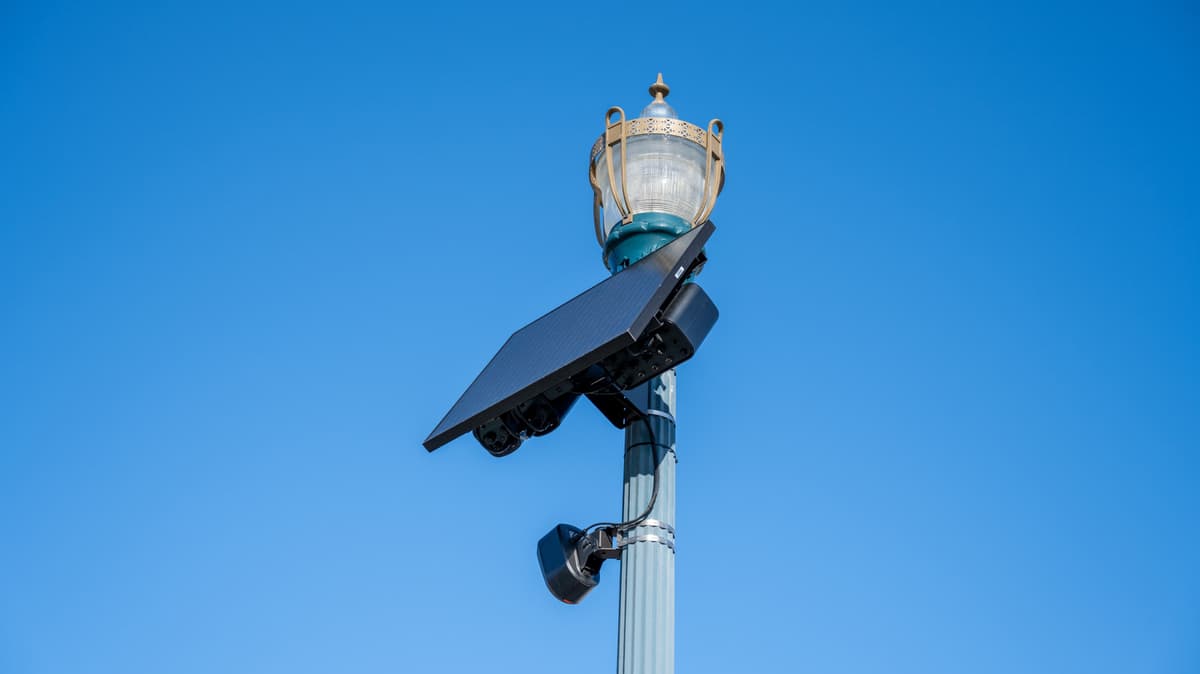
If You're Going To Smash License Plate Scanners, Maybe Cover Your Own Plate First
•March 4, 2026
0
Why It Matters
The case underscores growing public backlash against automated license‑plate recognition systems and the legal risks of confronting them, signaling potential policy scrutiny of mass surveillance tools.
Key Takeaways
- •Waterford Township uses illegal Flock license‑plate readers.
- •24‑year‑old smashed three scanners, was arrested.
- •Camera captured his car, leading to identification.
- •ANPR raises privacy concerns and surveillance overreach.
- •Activists risk legal consequences when targeting police equipment.
Pulse Analysis
Automated license‑plate recognition (ANPR) systems have become a staple of modern policing, allowing agencies to scan thousands of vehicles per hour and flag stolen cars, unpaid tolls, or wanted suspects. Vendors such as Flock supply compact, networked cameras that can be mounted on streetlights, traffic signals, or private property, often without clear public disclosure. While municipalities tout the technology as a tool for traffic safety and crime reduction, critics argue that continuous, indiscriminate data collection creates a digital panopticon, eroding anonymity in public spaces and raising constitutional questions about unreasonable searches.
The Waterford Township incident illustrates the legal tightrope faced by individuals who attempt to disrupt these surveillance networks. Michigan law classifies the destruction of police property as a felony, and the suspect’s arrest was swift because the very camera he targeted recorded his license plate. Similar confrontations have occurred in other states, where activists either document equipment for public record or physically disable it, only to face criminal charges. Courts have generally upheld law‑enforcement’s right to deploy ANPR, but they also demand adherence to state privacy statutes and proper notice to the public.
As public awareness of mass‑surveillance grows, policymakers are pressured to balance security benefits with civil‑liberty safeguards. Legislative proposals ranging from data‑retention limits to mandatory transparency reports are gaining traction in several legislatures, aiming to curb unchecked expansion of ANPR networks. For technology providers, compliance with emerging privacy standards could become a market differentiator, encouraging the development of opt‑out mechanisms or anonymized data pipelines. Ultimately, the Waterford case may serve as a catalyst for broader debate, prompting municipalities to reevaluate the scope and oversight of license‑plate readers.
If You're Going To Smash License Plate Scanners, Maybe Cover Your Own Plate First
0
Comments
Want to join the conversation?
Loading comments...