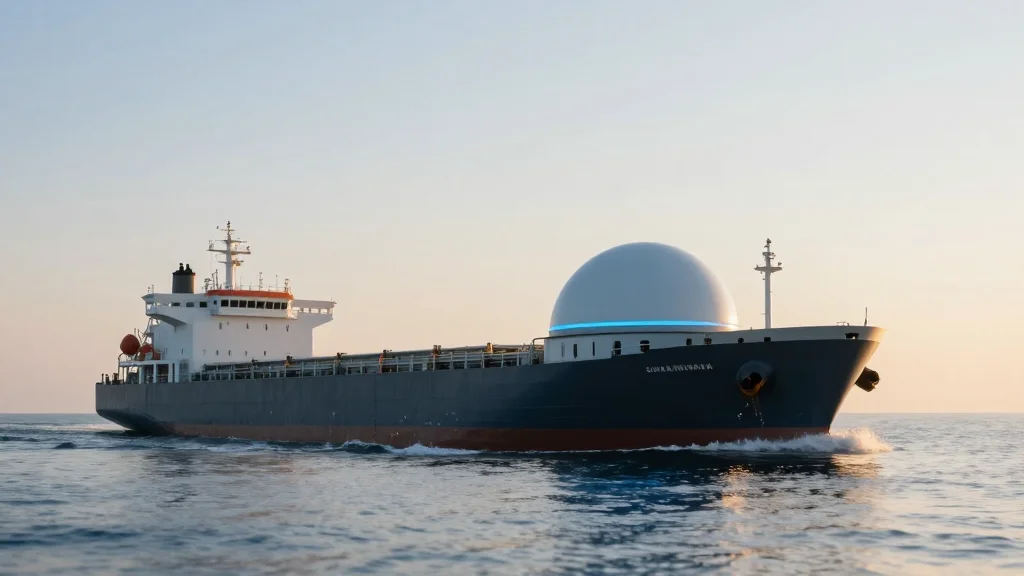
IMO Adopts First Global Code for Autonomous Surface Ships, Effective July 2026

Why It Matters
The MASS Code establishes the first internationally recognized safety baseline for autonomous vessels, reducing regulatory uncertainty that has long stalled investment in maritime automation. By codifying human‑in‑the‑loop requirements, the IMO aims to preserve safety while allowing technology providers to test and refine autonomous systems at scale. The framework also creates a level playing field for shipbuilders and operators worldwide, potentially accelerating the rollout of fuel‑efficient, low‑emission ships that can operate with fewer crew members. Beyond safety, the code could reshape global supply chains. Autonomous cargo ships promise more predictable voyage times and lower operating costs, which could translate into cheaper freight rates and more resilient logistics networks. However, the transition will also raise labor concerns, as seafarer unions monitor the impact on crew employment and training requirements. The balance struck by the MASS Code will influence how quickly the industry moves toward fully autonomous shipping and how other regulatory bodies, such as flag states and classification societies, align their rules.
Key Takeaways
- •IMO adopted the International Code of Safety for Maritime Autonomous Surface Ships (MASS Code) on May 21, 2026.
- •The code becomes effective on July 1, 2026 and is currently non‑mandatory, allowing member states to test its provisions.
- •Applies to cargo ships covered under SOLAS Chapter 1, requiring human oversight of autonomous functions.
- •IMO’s social‑media statement called the adoption a milestone for regulating emerging maritime technologies.
- •Next review scheduled for the 2027 MSC session, with potential move to mandatory SOLAS amendment.
Pulse Analysis
The IMO’s decision to codify autonomous ship safety now, rather than waiting for full market penetration, reflects a proactive regulatory stance that could give the organization a competitive edge over regional bodies that may lag behind. Historically, maritime regulation has been reactionary—think the post‑Titanic SOLAS overhaul—so this anticipatory move is a strategic pivot. By keeping the code non‑mandatory, the IMO mitigates pushback from flag states wary of imposing new compliance costs, while still signaling to technology firms that a clear rulebook is on the horizon.
From a market perspective, the MASS Code could catalyze a wave of investment in autonomous ship platforms. Venture capital that has been circling maritime tech for years—particularly in sensor fusion, AI navigation, and remote monitoring—now has a regulatory anchor to justify larger rounds. Shipyards that can certify vessels to the new standards may command premium pricing, while early adopters among liner operators could achieve a cost advantage through reduced crew expenses and optimized fuel consumption. However, insurers will likely demand robust data from pilot projects before adjusting premiums, creating a feedback loop where successful trials accelerate broader adoption.
Looking ahead, the real test will be how quickly member states move from optional compliance to mandatory enforcement. If the 2027 review finds that pilot programs have delivered safety outcomes comparable to conventional ships, the IMO could fast‑track a SOLAS amendment, effectively making the MASS Code a de‑facto requirement. That would force the entire industry—builders, operators, ports, and labor groups—to align quickly, potentially sparking a rapid shift toward autonomous freight transport. Conversely, a tepid review could stall momentum, leaving the technology in a regulatory limbo. Stakeholders should therefore monitor the upcoming MSC reports closely, as they will likely dictate the pace of autonomous shipping’s integration into global trade.
IMO adopts first global code for autonomous surface ships, effective July 2026
Comments
Want to join the conversation?
Loading comments...