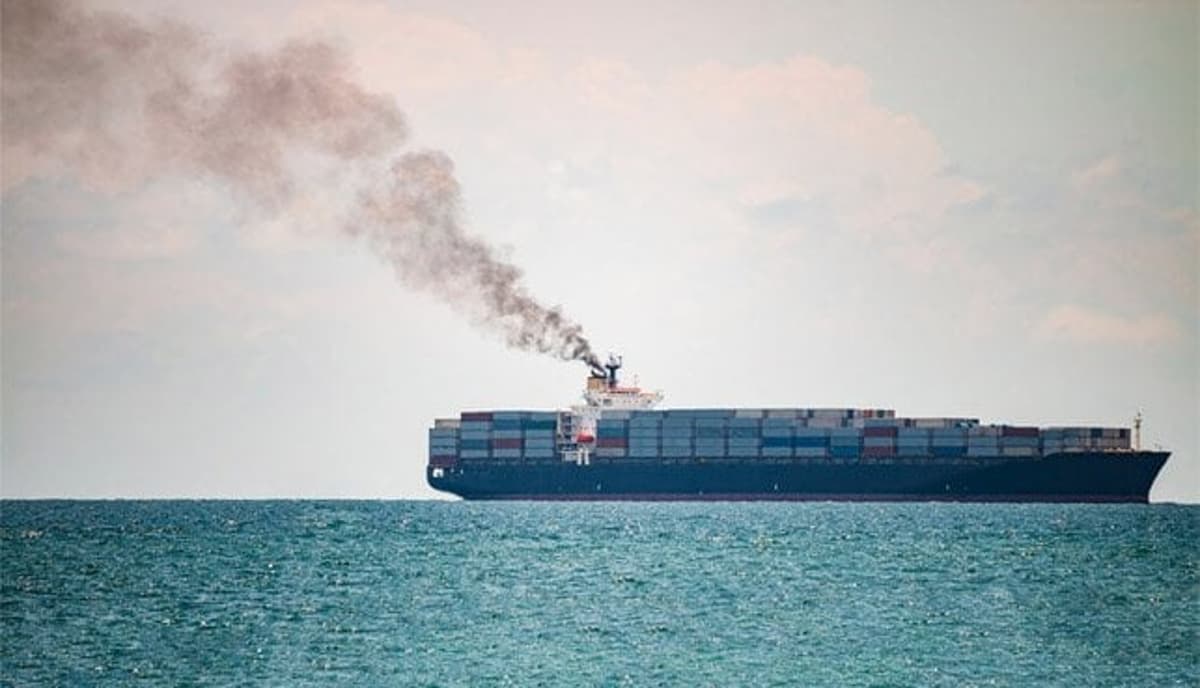
IMO Adopts World’s Largest Emission Control Area and Other Issues at MPEC
Why It Matters
Stricter emissions and waste rules will force the global shipping fleet to adopt cleaner fuels and practices, raising operational costs but delivering measurable environmental benefits. The measures set a regulatory benchmark that other regions are likely to follow, reshaping maritime compliance worldwide.
Key Takeaways
- •Atlantic ECA covers 200 nautical miles from Greenland to Portugal.
- •Sulfur limit drops to 0.10% for ships entering the new ECA.
- •Mandatory code to regulate transport of plastic pellets in containers.
- •Updated ballast water rules tighten discharge standards worldwide.
- •Underwater noise guidelines extended to 2028 to protect marine life.
Pulse Analysis
The newly adopted North‑East Atlantic Emission Control Area (ECA) represents a watershed moment for maritime regulation. By extending 200 nautical miles from the Arctic fringe of Greenland to the Iberian Peninsula, the IMO creates a contiguous low‑sulfur corridor that links existing ECAs in the Baltic, North Sea, Mediterranean, Norwegian Sea and Canadian Arctic. Shipping companies will need to switch to ultra‑low‑sulfur fuel or install scrubbers, driving up fuel expenses but also spurring investment in alternative propulsion such as LNG and hydrogen. The tighter NOx and particulate standards further push the industry toward cleaner engine technologies, aligning with broader climate‑net‑zero goals.
Beyond air emissions, the committee’s focus on plastic pollution marks a strategic shift toward comprehensive marine stewardship. The adopted strategy enhances port reception facilities and mandates a code for the transport of plastic pellets—known as nurdles—within freight containers, addressing a previously overlooked source of micro‑plastic contamination. By codifying these requirements, the IMO not only reduces the risk of accidental releases but also creates a level playing field for shipowners, who must now factor waste‑handling protocols into operational planning.
The amendments to the Ballast Water Management Convention and the two‑year extension of the underwater‑noise mitigation phase underscore the IMO’s holistic approach to ocean health. Revised ballast‑water guidelines tighten discharge standards, mitigating the spread of invasive species, while the prolonged noise‑reduction timeline gives member states additional time to implement and refine mitigation technologies. Together, these initiatives signal a decisive move toward integrated environmental governance in shipping, setting a template that other regulatory bodies are likely to emulate as global pressure mounts for greener seas.
IMO Adopts World’s Largest Emission Control Area and Other Issues at MPEC
Comments
Want to join the conversation?
Loading comments...