IMO Chief Says China Leads Green Shipping Push as Fuel Costs Surge

Companies Mentioned
Why It Matters
China’s rapid expansion of clean‑technology exports supplies the hardware needed for shore‑power systems, battery‑assisted propulsion and alternative‑fuel bunkering, all of which are essential for meeting the IMO’s 2030 and 2050 decarbonisation targets. At the same time, soaring bunker prices are forcing carriers to adopt slow‑steaming, a short‑term emissions fix that lengthens supply‑chain timelines and could curb global trade growth. The shadow‑fleet activity in the Strait of Hormuz demonstrates how sanctions‑evasion and geopolitical conflict can obscure emissions data, making it harder for regulators to verify compliance. Together, these dynamics shape the speed, cost and credibility of the maritime sector’s green transition. The outcome will affect every link in the global supply chain—from ship owners and port operators to manufacturers of clean‑tech components and end‑users of imported goods. A successful alignment of policy, technology and market incentives could lock in lower‑carbon shipping for decades, while failure to reconcile these pressures risks a fragmented, higher‑cost system that undermines climate goals.
Key Takeaways
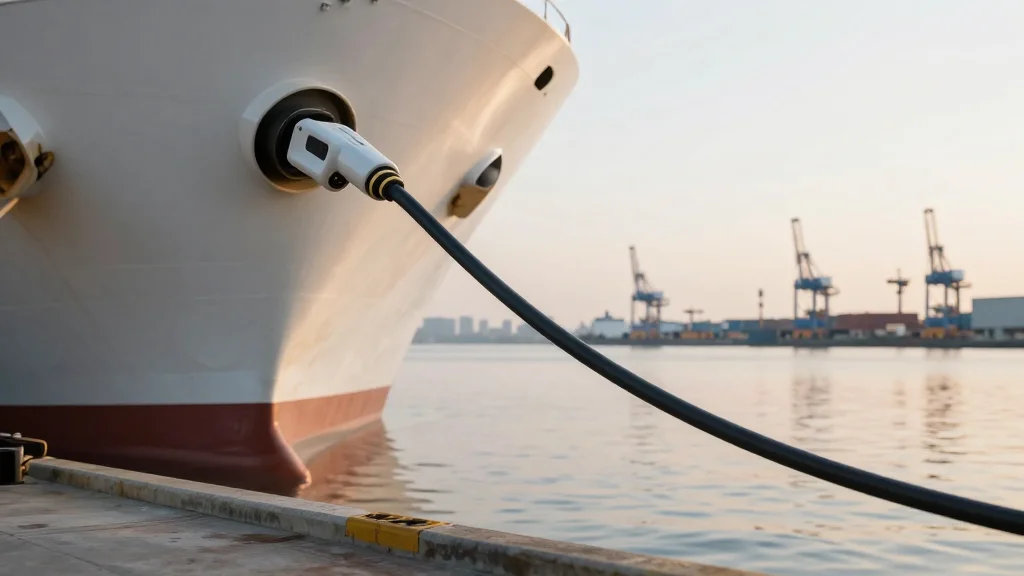
- •IMO Secretary‑General Arsenio Dominguez said China’s port electrification and clean‑tech exports are driving global maritime decarbonisation.
- •China’s exports of solar panels, EVs and lithium‑ion batteries hit $21.6 billion in March 2026, up 70 % YoY.
- •Very low‑sulphur fuel oil in Singapore peaked at $1,450/tonne on March 9, a 182 % increase from late February.
- •Slow steaming has cut port‑waiting times in Singapore from 3.5 days to under one day but lengthens voyage durations.
- •Al Jazeera tracked 202 voyages through the Strait of Hormuz, with 38.5 % linked to Iran and 61 vessels on sanctions lists.
Pulse Analysis
The IMO’s endorsement of China’s green‑shipping leadership is more than diplomatic flattery; it signals a strategic pivot toward a supply‑side solution for decarbonisation. Historically, maritime emissions reductions have relied on fuel‑switching and operational measures, which are limited by market volatility and geopolitical shocks. By spotlighting China’s port‑electrification and clean‑tech export surge, the IMO is effectively endorsing a hardware‑driven pathway that can deliver measurable emissions cuts at the point of use.
However, the timing is precarious. The rapid rise in bunker prices has resurrected slow‑steaming, a practice that reduces fuel burn but inflates delivery times and can erode the economic case for high‑cost green technologies. Shipping lines are caught between the need to stay profitable and the pressure to meet tightening carbon‑intensity standards. If fuel costs remain elevated, carriers may double‑down on operational shortcuts, slowing the adoption curve for shore‑power and alternative fuels.
Geopolitical turbulence adds a third layer of complexity. The shadow‑fleet’s ability to navigate the Strait of Hormuz despite a U.S. blockade illustrates how illicit networks can sidestep emissions monitoring, creating data blind spots for regulators. The IMO’s future data‑collection frameworks will need to incorporate satellite‑based tracking and AI‑enhanced anomaly detection to capture these hidden voyages. In short, China’s clean‑tech momentum offers a tangible lever for emissions reduction, but its impact will be mediated by market economics and the ability of international bodies to enforce transparency amid conflict.
IMO chief says China leads green shipping push as fuel costs surge
Comments
Want to join the conversation?
Loading comments...