Why It Matters
Maintaining momentum on the Net‑Zero Framework is critical for aligning global shipping emissions reductions with the 2050 climate goal, influencing regulatory certainty and investment in low‑carbon vessels.
Key Takeaways
- •IMO set up intersessional Working Group to advance Net‑Zero Framework.
- •Two inter‑sessional meetings scheduled before MEPC 85 in November 2026.
- •US delayed discussions; EU and others kept framework intact.
- •Shipping industry pledges further emissions cuts pending global agreement.
- •Expert workshop will address fuel chain‑of‑custody verification.
Pulse Analysis
The IMO’s Net‑Zero Framework, anchored in the 2023 GHG Strategy, represents the most comprehensive attempt to curb greenhouse‑gas emissions from a sector responsible for roughly 3% of global CO₂. By establishing clear mid‑term targets and a pathway to 2050 carbon neutrality, the framework seeks to harmonize disparate national regulations, creating a level playing field for shipowners and fuel suppliers. Its success hinges on collective political will, robust verification mechanisms, and industry readiness to adopt alternative fuels such as ammonia, hydrogen, and advanced biofuels.
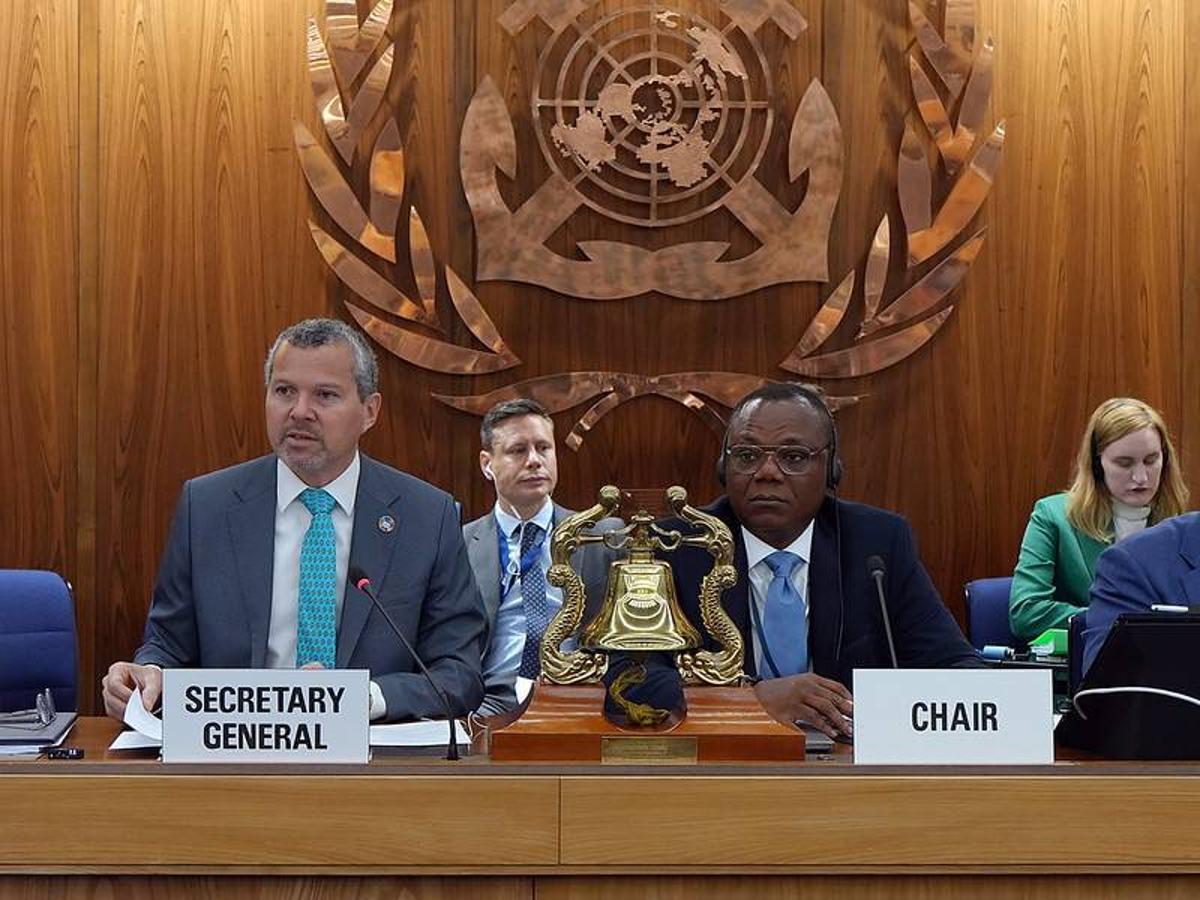
During the 84th MEPC session, delegates wrestled with technical and political hurdles, notably a U.S.‑led push to postpone final negotiations. While the delay bought time for some members, the EU and other climate‑forward nations refused to dilute the agreement, preserving the framework’s integrity. The newly formed Working Group and scheduled inter‑sessional meetings aim to resolve lingering concerns, especially around amendment procedures and the contentious “chain‑of‑custody” model that will track fuel provenance and ensure emissions accounting is transparent and enforceable.
Looking ahead, the shipping industry’s commitment to rapid decarbonisation will depend on the framework’s final shape. Clear, enforceable rules will unlock financing for next‑generation vessels and stimulate investment in low‑carbon fuel infrastructure. Moreover, the expert workshop on fuel tracking promises to address one of the sector’s biggest verification gaps, reducing the risk of green‑washing and building confidence among regulators, investors, and consumers. If the IMO can convert this momentum into a robust, globally accepted treaty, it will set a precedent for other hard‑to‑decarbonise industries and reinforce the maritime sector’s role in meeting the Paris Agreement targets.
IMO Progresses Net Zero Framework
Comments
Want to join the conversation?
Loading comments...