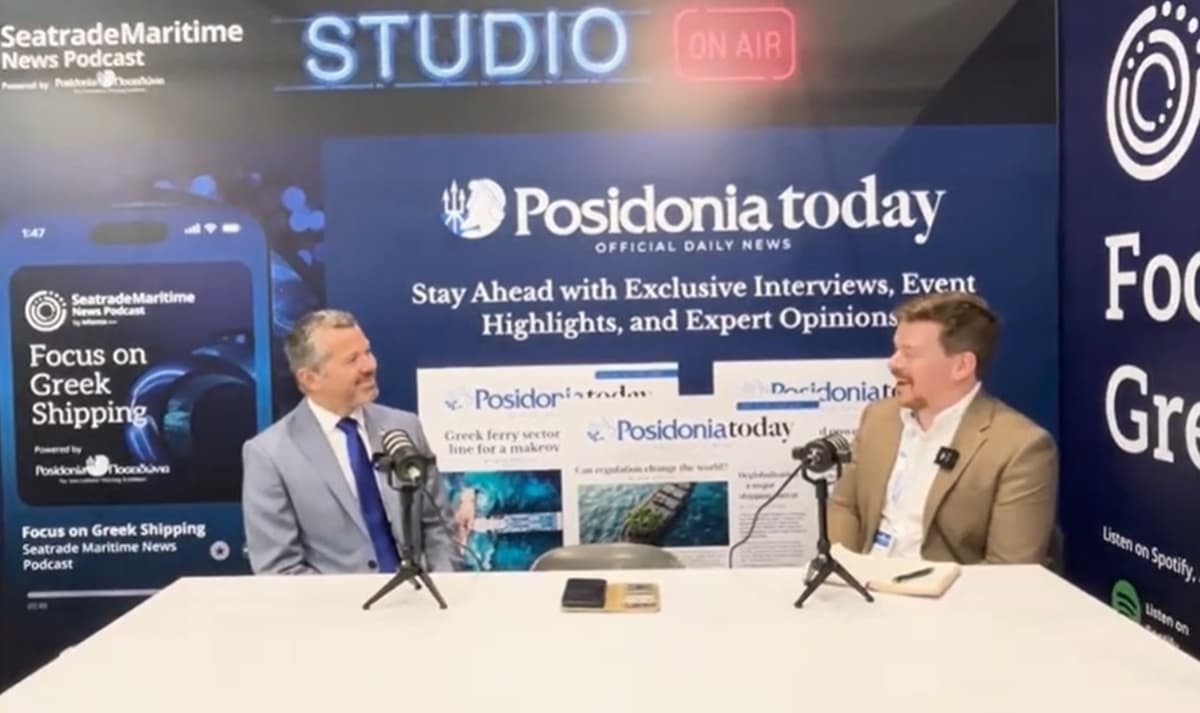
IMO Sec-Gen Asks How Greek Shipowners Plan to Invest in Seafarers
Why It Matters
Enhancing crew conditions boosts safety, retention and talent pipelines, directly influencing operational efficiency and the industry’s social license.
Key Takeaways
- •Greek owners control ~20% of global tonnage.
- •20,000 seafarers trapped in Gulf amid Middle East conflict.
- •Seafarers prioritize training, mental health, and onboard connectivity over salary.
- •IMO revising STCW and Maritime Labour Convention to curb abandonment.
Pulse Analysis
Greek shipping remains a cornerstone of global trade, accounting for roughly one‑fifth of total tonnage. At Posidonia, IMO Secretary‑General Arsenio Domínguez used the platform to spotlight a growing disconnect between shipowners and the crew that powers their vessels. The recent escalation in the Middle East left an estimated 20,000 seafarers stranded in the Gulf, underscoring how geopolitical shocks can quickly translate into humanitarian and operational crises. By drawing attention to these workers’ living and working conditions, Domínguez framed seafarer welfare as an integral pillar of maritime sustainability, alongside emissions reductions and fuel efficiency.
The Secretary‑General’s interview revealed that seafarers are less concerned with headline‑grabbing salary hikes than with tangible improvements to daily life at sea. Crew members are demanding robust training programs, reliable mental‑health resources, modern accommodation standards, and high‑speed connectivity that keeps them linked to families and shore‑based support. These expectations reflect a broader industry shift toward talent retention and recruitment in a market where skilled mariners are increasingly scarce. Shipowners that invest in these areas can expect lower fatigue‑related incidents, higher productivity, and a stronger employer brand that attracts the next generation of maritime professionals.
On the regulatory front, IMO is moving to codify these workforce priorities. Ongoing revisions to the STCW Convention aim to modernize competency standards, while updates to the Maritime Labour Convention target the reduction of abandonment cases and strengthen enforcement of crew rights. These initiatives signal to Greek shipowners—and the wider shipping community—that compliance will soon encompass not just safety and environmental metrics, but also measurable social outcomes. Proactive investment in seafarer wellbeing can therefore serve as both a risk‑mitigation strategy and a competitive differentiator in an industry seeking long‑term resilience.
IMO Sec-Gen asks how Greek shipowners plan to invest in seafarers
Comments
Want to join the conversation?
Loading comments...