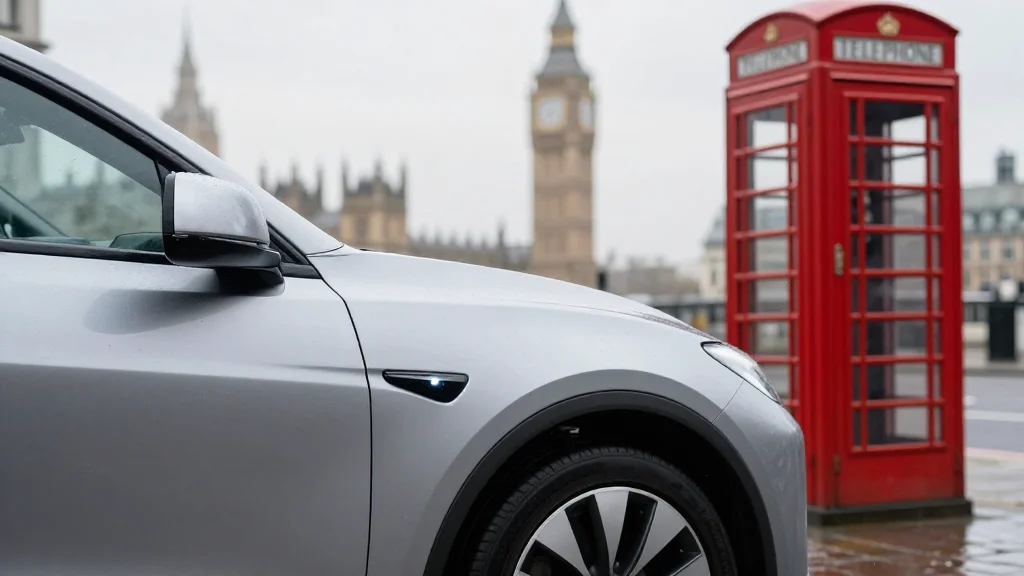
In Conversation With: Freenow by Lyft’s Danny O’Gorman
Companies Mentioned
Why It Matters
The rollout signals a major shift in European urban mobility, offering regulatory clarity and a scalable model that could reshape the rideshare market while preserving driver livelihoods. It positions London as a testbed for hybrid autonomous transport solutions worldwide.
Key Takeaways
- •London prepares for autonomous taxis under new 2026 AV legislation.
- •Freenow plans a hybrid fleet mixing driverless cars with human drivers.
- •AV rollout aims to cut wait times and support sustainability goals.
- •Data shows AVs can expand total rideshare demand, not replace drivers.
- •Hybrid model preserves black cabs while boosting night‑time service.
Pulse Analysis
The United Kingdom’s recent passage of the 2026 Autonomous Vehicle Act has cleared a critical regulatory hurdle, allowing companies to trial driverless taxis on public roads. London, with its dense network and iconic black cabs, is emerging as a proving ground for this technology. Freenow, Lyft’s multi‑mobility platform, is capitalising on the legislation by preparing a mixed fleet that pairs autonomous pods with traditional drivers, a strategy designed to smooth the transition for both regulators and commuters.
Implementing a hybrid model addresses several practical challenges unique to London. Historic street patterns, unpredictable weather, and the city’s high traffic volume demand sophisticated navigation and safety systems. Freenow plans to roll out autonomous vehicles gradually, initially deploying them during off‑peak hours and in low‑traffic zones while maintaining human drivers for complex routes and night‑time service. Close collaboration with Transport for London and other authorities ensures compliance with safety standards and helps build public trust, a crucial factor for widespread adoption.
Beyond operational logistics, the introduction of autonomous taxis promises broader economic and environmental benefits. By reducing idle time and improving route efficiency, AVs can lower emissions and support London’s Vision Zero targets. Moreover, data from early deployments in cities like San Francisco suggests that autonomous options actually expand the total rideshare market, creating new demand that benefits both passengers and drivers. Freenow’s layered approach—combining driverless efficiency with the reliability of human‑operated cabs—offers a scalable blueprint that other global metros may soon emulate.
In conversation with: Freenow by Lyft’s Danny O’Gorman
Comments
Want to join the conversation?
Loading comments...