India Becomes BlaBlaCar's Largest Market as Fuel Price Surge Boosts Carpooling
Companies Mentioned
Why It Matters
The rapid uptake underscores how volatile fuel costs can accelerate shared‑mobility adoption, reshaping India’s transport landscape and creating new revenue streams for platform operators. It also signals a shift toward integrated, user‑centric mobility solutions in emerging markets.
Key Takeaways
- •600,000 new drivers joined BlaBlaCar in India this year
- •Passenger trips rose 40% since February airstrikes began
- •India now hosts over 20 million BlaBlaCar users
- •Platform plans to add multi‑modal transport aggregation
Pulse Analysis
The spike in global oil prices, driven by the Middle East conflict, has hit Indian commuters hard, prompting a swift pivot to cost‑effective travel options. As fuel costs climb, carpooling emerges as a pragmatic alternative, offering both savings and reduced congestion. BlaBlaCar, the world’s leading car‑pooling service, has capitalised on this shift, reporting a 40 percent surge in passenger trips and a 20 percent overshoot of its driver‑growth targets for 2026.
India’s digital acceleration and expanding middle class have amplified the platform’s appeal. With over 20 million users, the market now dwarfs Brazil and France, the company’s other major territories. Interestingly, a recent survey of Indian riders revealed that comfort and time efficiency outweigh pure price considerations, echoing a broader trend where convenience drives mobility choices. The platform’s 20 percent commission model remains unchanged, but the influx of 600,000 new drivers highlights the scalability of peer‑to‑peer transport in a densely populated, urbanising nation.
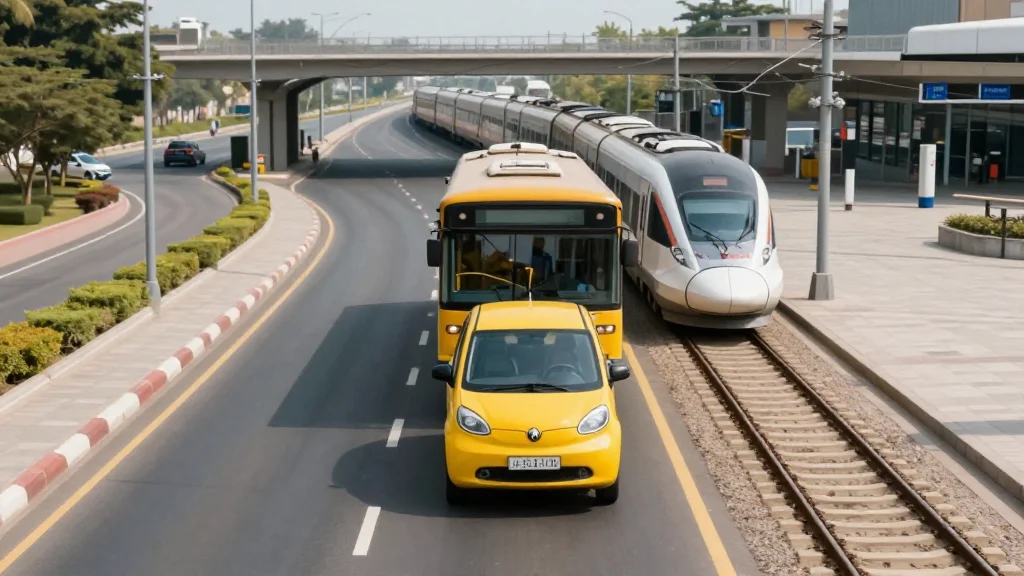
Looking ahead, BlaBlaCar aims to evolve beyond pure carpooling by aggregating multiple transport modes—linking private cars with buses and trains through a unified app. This multi‑modal strategy could unlock new monetisation pathways, especially as Indian users increasingly settle payments via UPI and other digital wallets. For the broader industry, the Indian case illustrates how external shocks, such as fuel price volatility, can accelerate the adoption of integrated mobility ecosystems, prompting incumbents and newcomers alike to rethink service offerings and partnership models.
India becomes BlaBlaCar's largest market as fuel price surge boosts carpooling
Comments
Want to join the conversation?
Loading comments...