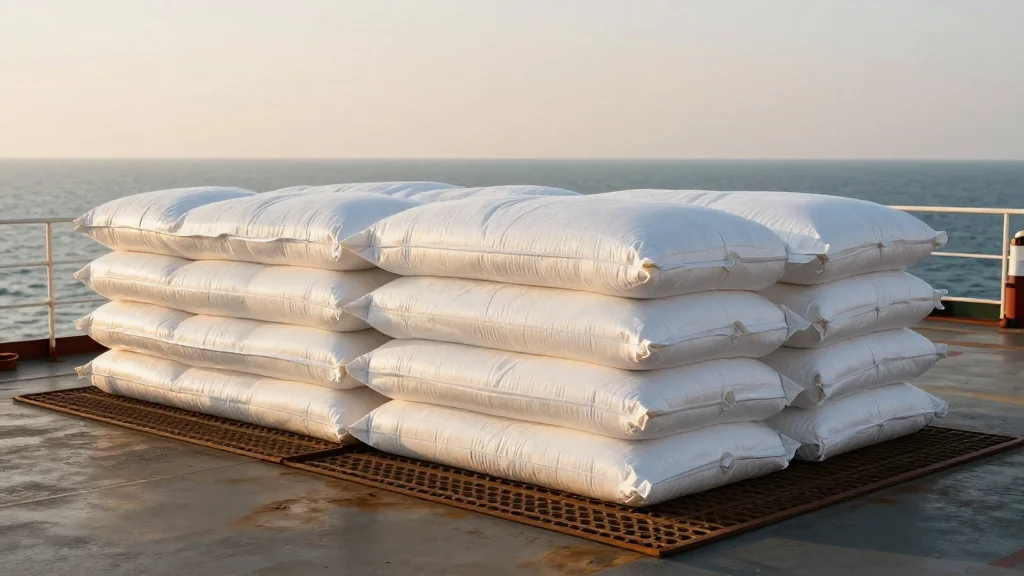
India-Bound Fertilizer Shipment Scrapped over Iran Origin Risk
Why It Matters
The withdrawal highlights how sanctions risk can disrupt critical fertilizer imports for the world’s top urea consumer, tightening supply and sustaining elevated prices.
Key Takeaways
- •India’s 2.5 Mt urea tender lost ~300 kt cargo from Infinity
- •Shipment withdrawn due to U.S. sanctions risk on Iranian origin
- •ABGT offered replacement cargo after pulling the Iran‑linked urea
- •Vessel Infinity exhibited “going dark” and erratic routing near Oman
- •Global urea prices stay high as war‑driven supply constraints persist
Pulse Analysis
India’s fertilizer market is highly sensitive to geopolitical shocks, and the recent scrapping of a 300,000‑ton urea shipment underscores that reality. The country’s April tender secured 2.5 million tons of urea, a volume that satisfies roughly 30 percent of its annual demand. When Aditya Birla Global Trading (ABGT) pulled the cargo aboard the bulk carrier Infinity, it did so over fears that the product’s Iranian provenance could trigger U.S. secondary sanctions. This cautious stance reflects a broader industry trend: Indian buyers and exporters are increasingly vetting origin claims to avoid costly compliance breaches, even as the government maintains a diplomatic line with Tehran.
The Infinity’s voyage raised additional red flags beyond its cargo origin. Satellite AIS data showed the ship turning off its transponder for over a month, navigating near Oman’s Sohar port, and executing erratic, geometric routing patterns—behaviors commonly associated with vessels attempting to mask stops at sanctioned ports. Such tactics have become more prevalent since the United States expanded its blockade on Iran‑linked ships, prompting carriers to employ “going dark” to evade detection. The episode illustrates how enforcement pressure can ripple through maritime logistics, forcing traders to reassess routing strategies and vessel selection to maintain regulatory compliance.
For the global fertilizer market, the incident reinforces upward pressure on urea prices. With the war in the Middle East constraining Iranian petrochemical output and shipping lanes like the Strait of Hormuz remaining volatile, supply shortages are likely to persist. India, as the world’s largest urea importer, may face tighter margins and higher procurement costs, which could translate into increased fertilizer prices for Indian farmers and, ultimately, higher food prices. Stakeholders will be watching how quickly ABGT can replace the withdrawn cargo and whether other suppliers will adopt more transparent sourcing to mitigate future sanctions‑related disruptions.
India-bound fertilizer shipment scrapped over Iran origin risk
Comments
Want to join the conversation?
Loading comments...