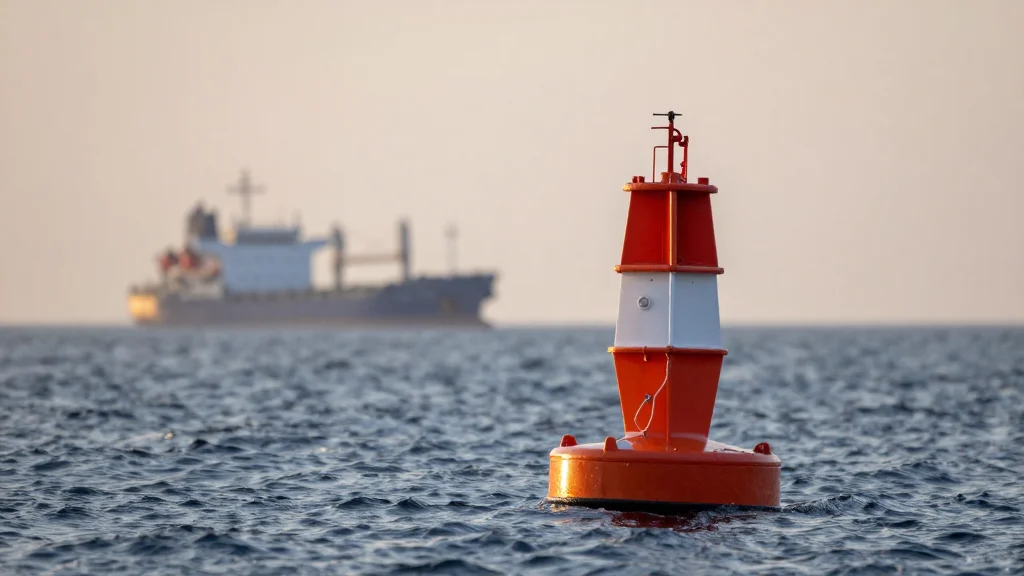
India Decries Attacks on Commercial Vessels in Strait of Hormuz Amid Rising Shipping Threats

Why It Matters
The Strait of Hormuz is a linchpin of the global energy system; any disruption can instantly spike oil prices and destabilize markets. Attacks on commercial vessels not only threaten the safety of crews—many of whom are Indian nationals—but also jeopardize the uninterrupted flow of oil and bulk commodities that underpin world economies. Moreover, the U.S. sanctions targeting Iran’s shadow banking and shipping networks aim to choke illicit oil flows, yet they also raise the stakes for naval encounters, increasing the risk of accidental escalation. Finally, the humanitarian dimension adds urgency: without a secure corridor, aid shipments to conflict zones risk being delayed or blocked, exacerbating civilian suffering. Ensuring freedom of navigation in Hormuz is therefore critical for energy security, trade continuity, and the delivery of humanitarian assistance. The diplomatic pressure from India and the enforcement actions by the United States illustrate a coordinated, albeit complex, effort to keep the strait open while deterring illicit activities. The situation also serves as a bellwether for how major powers will balance sanctions enforcement with the need to avoid direct military confrontation in a region already fraught with proxy wars and sectarian tensions.
Key Takeaways
- •India’s UN envoy Yojna Patel called attacks on commercial ships in the Strait of Hormuz "deplorable" and urged respect for international law.
- •The strait handles roughly 20% of global oil consumption, making any disruption a major economic risk.
- •U.S. sanctions target 35 entities linked to Iran’s shadow banking and shipping networks, aiming to curb illicit oil flows.
- •Patel highlighted the humanitarian impact of the broader Middle‑East conflict, calling for safe corridors for aid.
- •Future UN sessions will address maritime security and potential multilateral measures to protect commercial navigation.
Pulse Analysis
The convergence of diplomatic censure and sanctions enforcement signals a shift from passive condemnation to active containment of maritime threats in the Hormuz corridor. India’s vocal stance reflects its dual dependence on Gulf oil and the safety of its sizable expatriate workforce; by framing the issue as both an economic and humanitarian imperative, New Delhi positions itself as a stakeholder capable of influencing multilateral outcomes. Meanwhile, the United States’ expanded sanctions regime, targeting the financial underpinnings of Iran’s shadow fleet, illustrates a strategy of indirect pressure—crippling the revenue streams that fund both illicit shipping and regional proxies.
Historically, the strait has been a flashpoint for superpower brinkmanship, from the 1980s Iran‑Iraq war to the 2019 tanker attacks. The current episode differs in that it blends traditional naval security concerns with a sophisticated financial warfare dimension. By targeting the shadow banking network, Washington aims to reduce the logistical capacity of Iran’s clandestine fleet, thereby lowering the probability of overt naval clashes. However, this approach also raises the risk of miscalculation: increased boarding operations and tighter surveillance could provoke Iranian retaliation, potentially drawing other regional actors into a broader confrontation.
Looking ahead, the key variable will be the ability of the international community to forge a consensus on a humanitarian corridor that balances security with aid delivery. If successful, such a corridor could serve as a confidence‑building measure, reducing the incentive for belligerents to weaponize commercial shipping. Conversely, failure to establish clear rules of engagement may embolden further attacks, driving up insurance premiums, rerouting of vessels, and a sustained uptick in oil prices. Stakeholders—from shipping firms to energy traders—should therefore monitor diplomatic developments closely, as the next UN session could set the tone for the strait’s operational environment for months to come.
India Decries Attacks on Commercial Vessels in Strait of Hormuz Amid Rising Shipping Threats
Comments
Want to join the conversation?
Loading comments...