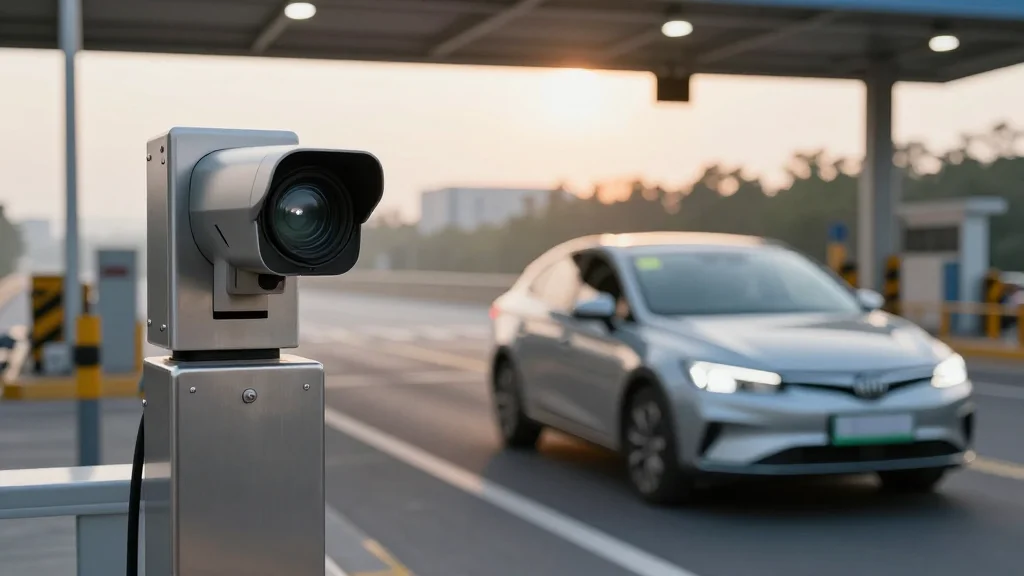
India Plans to Replace Highway Toll Plazas with Automated Distance-Based Collection System by 2026
Why It Matters
Distance‑based, fully automated tolling removes bottlenecks, lowering travel costs and improving supply‑chain reliability on India’s fast‑growing road network.
Key Takeaways
- •MLFF system to replace 85 toll plazas by 2026.
- •Distance‑based tolls could cut fees from ~₹150 to ₹15 (~$1.8 to $0.18).
- •Number‑plate recognition and FASTag enable nonstop highway flow.
- •Expected reduction in congestion, fuel waste, and travel time.
- •Non‑compliant FASTags face double penalties within 72 hours.
Pulse Analysis
The rollout of Multi‑Lane Free Flow tolling reflects a broader global trend toward frictionless road payments, where sensors and AI replace traditional booths. In India, the combination of high‑resolution cameras, RFID‑enabled FASTag accounts and real‑time billing platforms creates a scalable model that can be retrofitted to existing expressways. By charging per kilometre rather than flat rates, the system aligns toll revenue with actual road usage, offering a more equitable pricing structure for both private motorists and commercial fleets.
Beyond convenience, the technology promises measurable economic gains. Eliminating stop‑and‑go traffic at toll points reduces idling time, which translates into lower fuel consumption and emissions—critical factors for a country battling both congestion and air‑quality challenges. For logistics operators, predictable travel times and reduced fuel burn improve route planning and margin calculations, potentially lowering the cost of goods transported across the subcontinent. Early pilots have shown up to a 30% drop in average journey times on busy corridors, a figure that could scale nationally as the network expands.
Implementation will hinge on robust data security and enforcement mechanisms. FASTag balances must remain funded, and the system’s ability to issue digital notices and impose double penalties within 72 hours serves as a deterrent against non‑payment. As India pushes forward with parallel infrastructure projects linking Delhi to northern and southern hubs, the MLFF framework could become a cornerstone of a smarter, more efficient transport ecosystem, setting a benchmark for emerging markets seeking to modernize toll collection without massive new construction costs.
India plans to replace highway toll plazas with automated distance-based collection system by 2026
Comments
Want to join the conversation?
Loading comments...