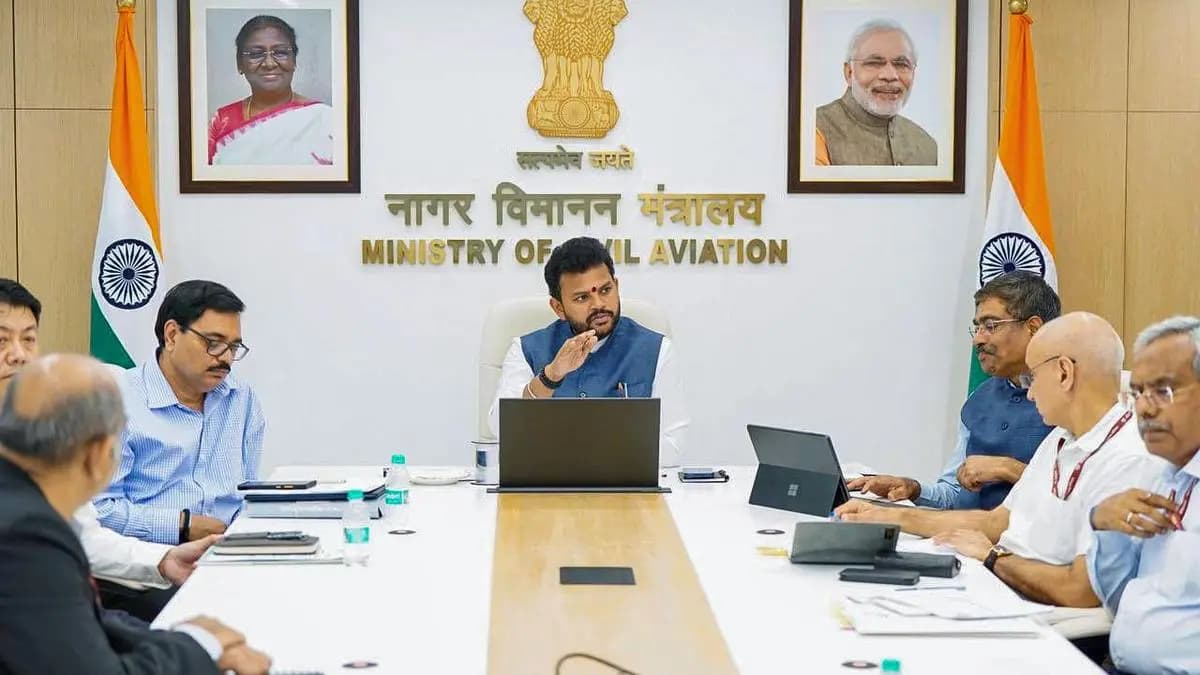
India Releases Second Phase of Flying Training Organisation Rankings
Why It Matters
By standardising performance metrics, the ranking system aims to boost safety, attract more cadets and position Indian flight schools against global competitors, supporting the country’s ambitious airport expansion and fleet growth plans.
Key Takeaways
- •DGCA released second phase of FTO rankings on April 24, 2026.
- •Category A FTOs appear for first time, indicating performance gains.
- •Training hours rose from 32% to 50% after ranking system.
- •India needs ~30,000 new pilots, backed by $3.5 billion UDAN outlay.
- •Six new FTOs approved, six more pending, expanding capacity.
Pulse Analysis
India’s civil aviation sector is on the cusp of a transformative decade. The government’s Modified UDAN programme has earmarked roughly ₹29,000 crore—about $3.5 billion—to spur regional connectivity, while the Hub‑and‑Spoke policy promises 50 new airports and the induction of 500 additional aircraft by 2031. These expansions create a looming demand for roughly 30,000 new pilots, a figure that far outstrips the current output of Indian flight schools. Meeting this gap requires not only more seats but also higher‑quality training that aligns with international standards.
The Directorate General of Civil Aviation’s newly released second‑phase FTO rankings provide a data‑driven mechanism to meet that challenge. For the first time a Category A tier appears, signalling that at least one school has reached the highest benchmark of safety, infrastructure and instructional quality. Overall, the share of training flight hours rose from 32% to 50%, and six new training organisations have been approved, with another six in the pipeline. Complementary reforms—such as the digitisation of CPL examinations and a single‑window licence approval process—have streamlined cadet progression, cutting the time needed to obtain a Commercial Pilot Licence.
The rankings are more than a transparency tool; they are a catalyst for market confidence and foreign investment. By publishing objective performance indicators, the Ministry of Civil Aviation encourages airlines and financiers to back Indian FTOs that meet global benchmarks, fostering a “Train in India, Fly in India” ecosystem. As Indian carriers expand fleets and airports evolve into transit hubs, a robust domestic pilot pipeline will reduce reliance on overseas training and lower operating costs. In the long run, the system positions India to become a regional hub for aviation talent and services.
India releases second phase of Flying Training Organisation rankings
Comments
Want to join the conversation?
Loading comments...