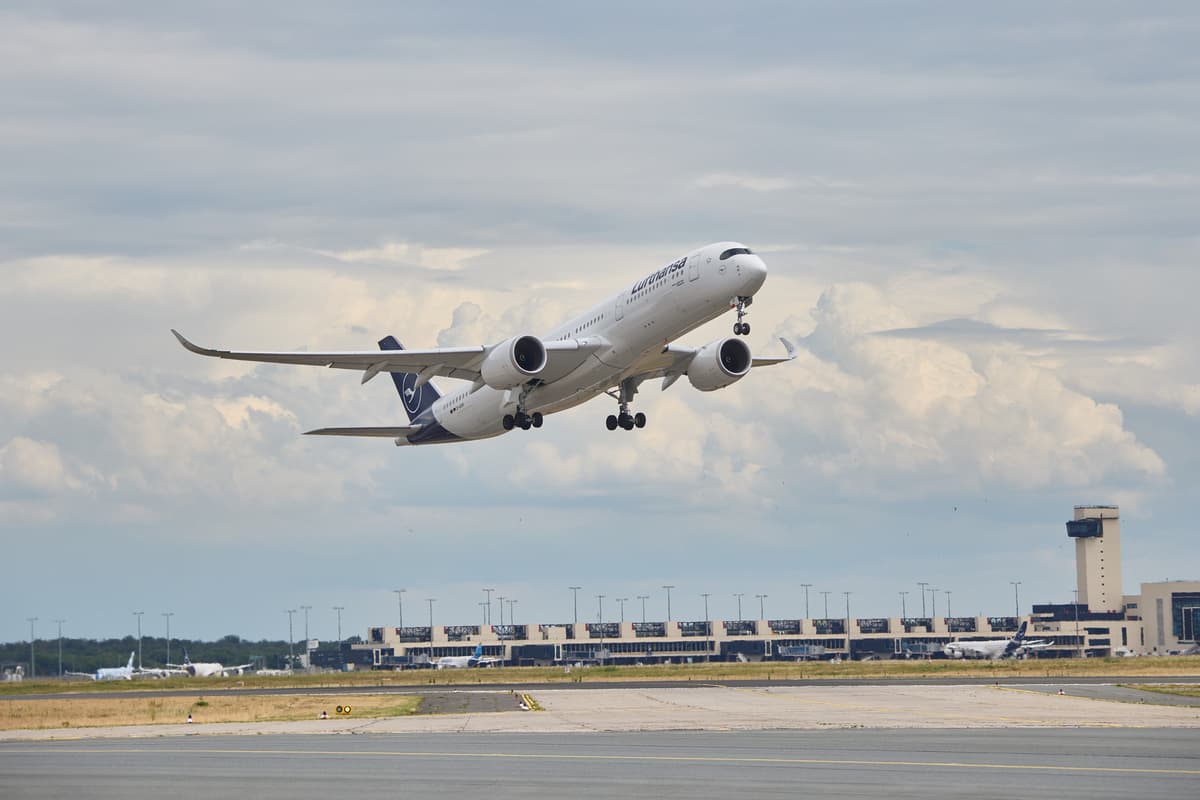
Indian Passengers Can Now Transit Through Germany Without a Visa
Companies Mentioned
Why It Matters
Eliminating the transit visa simplifies travel, boosting passenger flow and revenue for European carriers while deepening economic and tourism ties between India and the EU.
Key Takeaways
- •German transit visa abolished for Indian nationals effective June 3, 2026.
- •Lufthansa expects smoother connections and increased India‑Europe traffic.
- •Swiss to launch direct Bengaluru‑Zurich flight in Winter 2026.
- •Lufthansa adds Allegris cabins on Boeing 787‑9 Delhi/Hyderabad routes.
- •Policy supports stronger tourism and business links between India and Europe.
Pulse Analysis
The German government's decision to scrap the airport transit visa for Indian nationals reflects a broader trend of liberalising air travel in response to soaring demand from the world's fastest‑growing aviation market. India’s outbound passenger numbers have risen sharply, driven by rising incomes and a burgeoning middle class seeking leisure and business trips abroad. By removing the visa requirement, Germany eliminates a costly administrative step, making its hubs—Frankfurt, Munich and Düsseldorf—more attractive layover points for carriers routing passengers between Asia, Europe and the Americas.
Airlines have moved quickly to capitalize on the policy shift. Lufthansa Group, which operates over 70 weekly flights between India and Europe, announced the rollout of its premium Allegris cabin on additional Boeing 787‑9 services from Delhi and Hyderabad, enhancing the product offering for long‑haul travelers. The carrier’s Future Onboard Experience (FOX) programme will also be extended across its long‑haul fleet, signaling a commitment to higher service standards. Swiss International Air Lines is set to launch a direct Bengaluru‑Zurich route in its Winter 2026 schedule, while extra Airbus A330 frequencies and expanded A380 capacity on the Mumbai‑Munich corridor further illustrate the airlines’ intent to capture the newly unencumbered traffic.
Beyond airline economics, the visa‑free transit regime is poised to strengthen economic and tourism links between India and the European Union. Easier connections facilitate business delegations, academic exchanges, and tourism flows, contributing to bilateral trade growth. For German airports, the policy promises higher passenger throughput and ancillary revenue, while Indian travelers benefit from reduced travel costs and time. As the aviation sector rebounds from pandemic disruptions, such regulatory easing serves as a catalyst for sustained connectivity and deeper market integration across continents.
Indian Passengers Can Now Transit Through Germany Without a Visa
Comments
Want to join the conversation?
Loading comments...