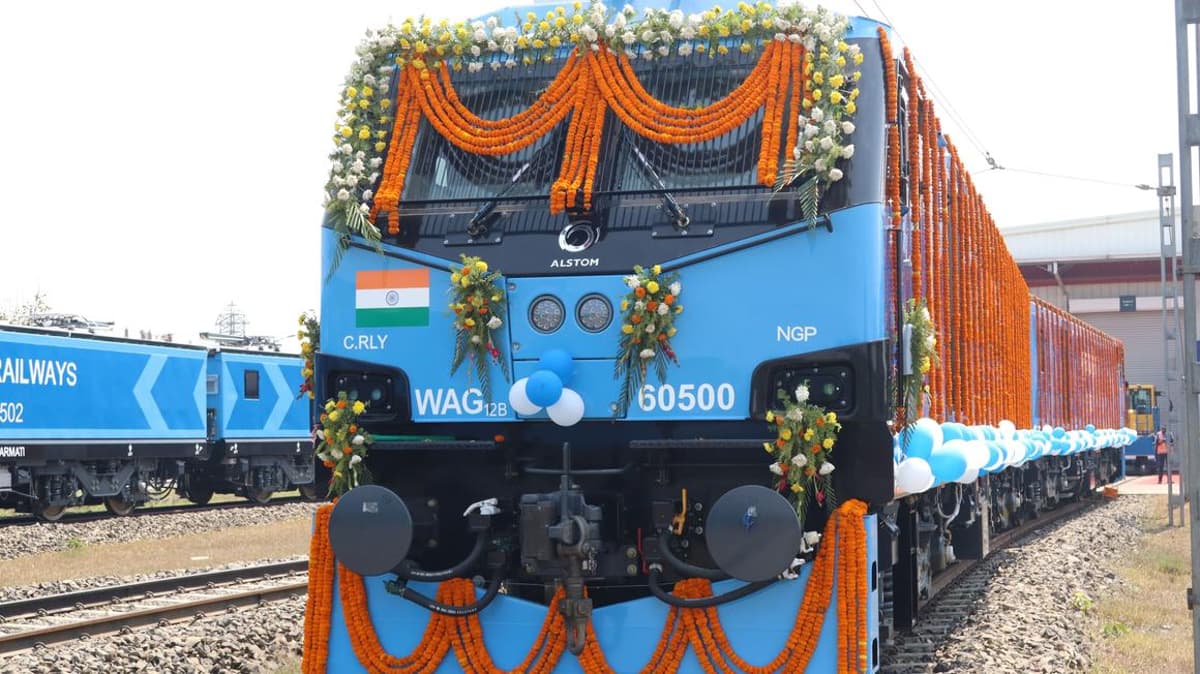
Indian Railways Nears Full Electrification Amid Disruption to Gulf Oil Routes
•March 6, 2026
0
Why It Matters
Electrifying the rail system cuts reliance on imported oil, bolstering India’s energy security and climate commitments. It also delivers cost savings and resilience amid global energy volatility.
Key Takeaways
- •99.4% of network electrified by Jan 2026.
- •Diesel use fell 62% since 2016‑17.
- •Solar capacity grew to 898 MW across stations.
- •Net‑zero target set for 2030.
- •Electrification shields India from Gulf oil volatility.
Pulse Analysis
India’s rail network, carrying over eight billion passenger journeys annually, is now 99.4 % electrified, a milestone that directly cushions the economy from the turbulence of Gulf oil supplies. The Strait of Hormuz, responsible for roughly 40 % of India’s crude imports, has faced intermittent closures, driving up global oil prices and straining the nation’s balance of payments. By replacing diesel‑powered locomotives with electric traction, Indian Railways cuts its exposure to volatile fuel costs and reduces the fiscal impact of external shocks. This transition also dovetails with the country’s broader push for energy independence.
The speed of electrification reflects a decisive policy push under the “Mission 100 % Electrification” programme, with two‑thirds of the work completed in the last decade. Complementary renewable investments have expanded solar capacity at stations from a modest 3.68 MW in 2014 to nearly 900 MW today, supplying roughly 70 % of traction power. As the railway’s electricity demand is projected to exceed 10 GW by 2030, the push for green power will accelerate grid upgrades and encourage private‑sector participation in renewable procurement. Meeting the net‑zero target will hinge on scaling these sources while maintaining reliability.
Beyond climate benefits, electrification promises operational savings and higher freight efficiency, as electric locomotives deliver greater haulage capacity with lower maintenance. However, the shift places new demands on India’s power infrastructure, requiring coordinated planning between the railways, utilities, and renewable developers. Financing the remaining non‑electrified sections and expanding transmission capacity will be critical, especially in remote states. If India can balance these challenges, its model may become a blueprint for other emerging economies seeking to decouple transport from imported fossil fuels while advancing climate goals.
Indian Railways Nears Full Electrification Amid Disruption to Gulf Oil Routes
0
Comments
Want to join the conversation?
Loading comments...