Indians Grieve and Call for Action After US Strike Kills Seafarers
Why It Matters
The deaths highlight the vulnerability of civilian maritime trade in a geopolitically tense Gulf, threatening India’s vital labor supply and prompting heightened diplomatic pressure on the United States.
Key Takeaways
- •Three Indian sailors killed when US strike hit tanker Settebello.
- •India lodged a second diplomatic protest, summoning the US chargé d’affaires.
- •Opposition urges PM Modi to raise issue directly with President Trump.
- •Repeated attacks risk deterring seafarers, worsening global crew shortages.
Pulse Analysis
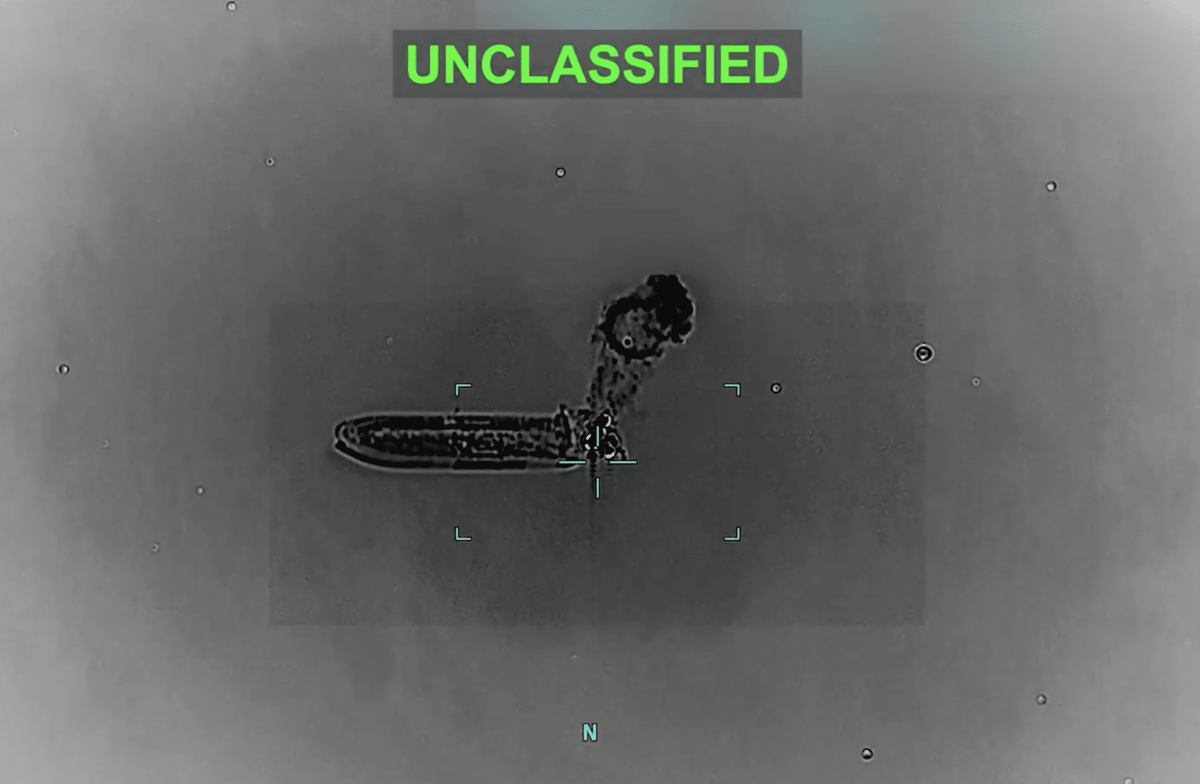
On June 12, U.S. Central Command confirmed an aircraft struck the Palau‑flagged tanker *Settebello* after it ignored American orders. The precision munition hit the engine room, killing three Indian sailors among a crew of 24. The strike is part of a wider blockade targeting Iranian oil after Tehran cut shipments through the Strait of Hormuz, a chokepoint that moves roughly one‑fifth of global oil and LNG.
India responded with a second diplomatic protest, summoning the U.S. chargé d’affaires and labeling the use of lethal force against civilian vessels unacceptable. The tragedy has ignited domestic pressure on Prime Minister Narendra Modi, with opposition parties demanding a direct appeal to President Donald Trump at the upcoming G7 summit. Critics argue that the routine protest downplays the strategic risk to India, the world’s second‑largest supplier of seafarers, and could embolden external powers to act against Indian interests. Families like Sushila Devi’s face sudden loss of income, highlighting the human cost of geopolitical tussles.
Beyond the immediate loss of life, the attacks threaten to exacerbate an existing shortage of qualified crew, as fear may deter Indians from pursuing maritime careers. For global trade, repeated engagements in the Gulf raise insurance premiums and could disrupt supply chains already volatile from the Iran‑U.S. confrontation. If incidents persist, carriers may reroute vessels around the Cape of Good Hope, adding weeks to transit times and inflating freight rates. Policymakers in New Delhi are likely to weigh stronger naval escorts or multilateral pressure on Washington to safeguard commercial shipping while preserving strategic autonomy.
Indians Grieve and Call for Action After US Strike Kills Seafarers
Comments
Want to join the conversation?
Loading comments...