IndiGo Cuts Back Its Western Europe and Asian Routes as High Fuel and Airspace Restrictions Bite
Companies Mentioned

Why It Matters
The cuts signal tightening margins for Indian carriers expanding abroad and may reshape competitive dynamics on high‑cost routes, while highlighting the impact of geopolitical and energy volatility on airline network strategies.
Key Takeaways
- •IndiGo trims Western Europe to two destinations by Aug 2026.
- •Six Asian routes suspended from July 2026, halving Asian network.
- •One of six damp‑leased Boeing 787‑9s to be returned.
- •High fuel volatility and airspace bans drive network reductions.
- •Middle East remains core growth market despite regional disruptions.
Pulse Analysis
IndiGo has been the flagship of India’s low‑cost boom, rapidly adding international capacity after the Iran‑related disruption that temporarily crippled its Middle East links. The carrier’s aggressive expansion into Europe and Asia was meant to diversify revenue streams and capture premium‑price traffic, but the strategy now collides with a perfect storm of rising jet fuel costs and increasingly restrictive airspace corridors caused by regional conflicts and regulatory bans. These external pressures have forced the airline to reassess the economics of long‑haul routes that were never fully profitable under volatile conditions.
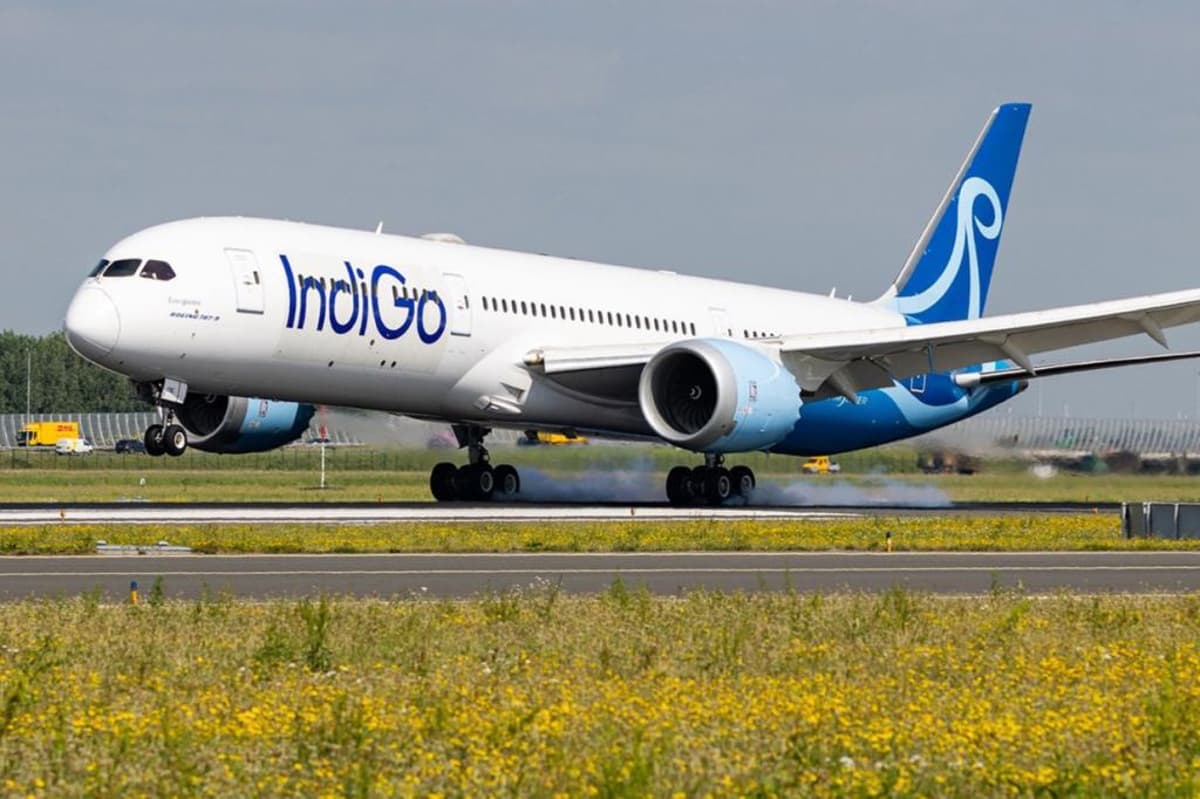
The airline’s Western Europe portfolio, built on a fleet of six Boeing 787‑9s damp‑leased from Norse Atlantic Airways, will shrink from four cities to just two by the end of August 2026. Concurrently, IndiGo will return one of the leased 787s, reducing its wide‑body exposure and cutting lease expenses. In Asia, six routes—accounting for roughly half of its Asian footprint—will be suspended from July 2026, reflecting the difficulty of sustaining thin margins when fuel spikes and rerouting penalties inflate operating costs. The fleet adjustments underscore a shift toward a more disciplined, cost‑focused network that leans heavily on the already robust Middle East segment.
For the broader aviation market, IndiGo’s retreat highlights how emerging carriers are vulnerable to macro‑level shocks that larger legacy airlines can sometimes absorb. Competitors may seize the vacated European and Asian slots, intensifying competition on routes that remain attractive despite cost pressures. Meanwhile, IndiGo’s continued emphasis on the Middle East could spur further consolidation or partnership opportunities in that region, as the airline seeks to lock in higher yields while navigating ongoing geopolitical uncertainties.
IndiGo cuts back its Western Europe and Asian routes as high fuel and airspace restrictions bite
Comments
Want to join the conversation?
Loading comments...