Indonesian Captain Among Crew Held as Somali Pirates Strike Again in Horn of Africa
Why It Matters
The hijacking highlights growing gaps in maritime security that threaten global trade routes and puts Indonesia’s large seafarer workforce at heightened risk.
Key Takeaways
- •MT Honour 25, Palau‑flagged fuel tanker, hijacked off Puntland
- •Crew: 4 Indonesians, 10 Pakistanis, plus Sri Lankan, Myanmar, Indian sailors
- •Indonesian government engages Puntland authorities and international partners for release
- •Pirates demand cash, gold, or cryptocurrency ransom, reviving old patterns
- •Lack of naval escort highlights security gaps as fleets shift to Hormuz
Pulse Analysis
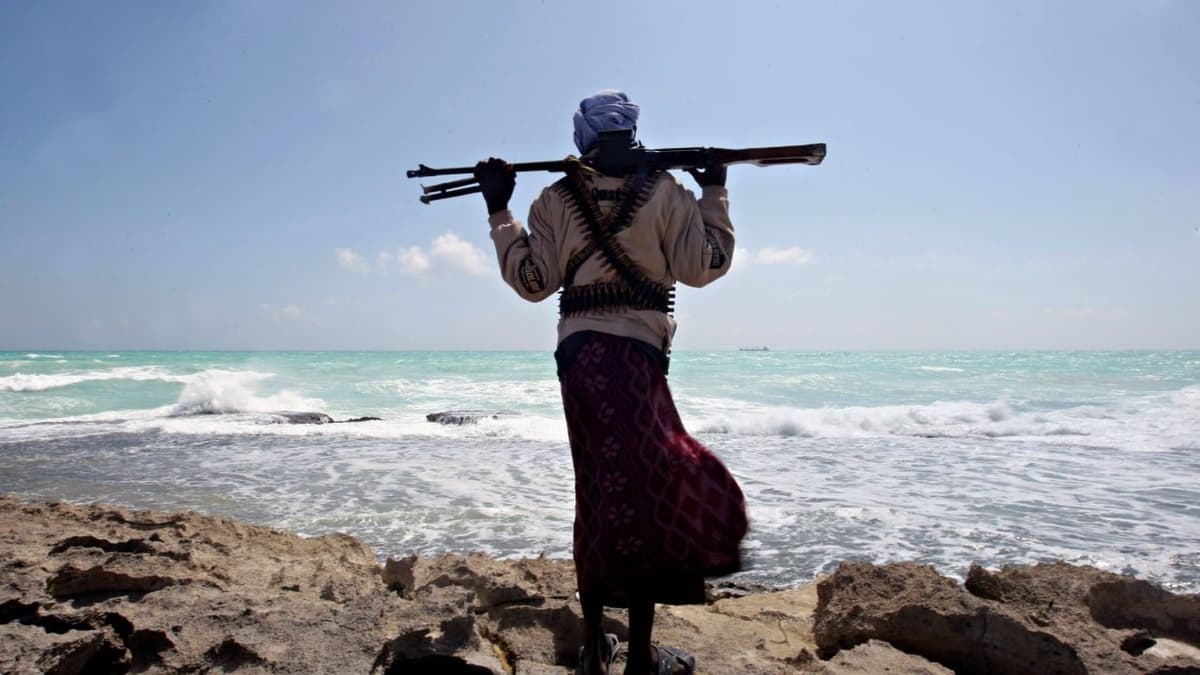
Somali piracy, once thought subdued by multinational naval patrols, is re‑emerging as a strategic blind spot. With the United States and allied navies reallocating ships to monitor the volatile Strait of Hormuz amid heightened Iran tensions, pirate groups have seized the opportunity to operate in the Horn of Africa’s historic hot‑spot. The MT Honour 25 incident illustrates how these actors exploit reduced presence, using rocket‑armed skiffs to board vessels and demand ransom in cash, gold or cryptocurrency, echoing the tactics of the early 2000s.
For Indonesia, the world’s second‑largest supplier of seafarers, the hijacking raises acute diplomatic and economic concerns. Over 600,000 Indonesians work on foreign‑flagged ships, and any threat to their safety reverberates through domestic labor markets and insurance premiums. The crew’s composition—four Indonesians among a dozen other nationals—means the government must navigate a complex web of bilateral talks with Somalia’s semi‑autonomous Puntland, which lacks central authority, while also coordinating with the vessel’s operator and international anti‑piracy coalitions. Indonesian lawmakers are pressing for a rapid, coordinated response that balances humanitarian priorities with the need to deter future attacks.
The broader maritime industry faces a renewed call for integrated security frameworks. Insurers are already adjusting rates for routes near the Horn of Africa, and shipping companies are reconsidering escort contracts and route planning. Experts argue that a patchwork of regional patrols is insufficient; a unified, well‑funded multinational task force, coupled with robust on‑board defensive measures, is essential to restore confidence in one of the world’s most vital trade corridors. As piracy adapts to shifting geopolitical dynamics, sustained international cooperation will be the linchpin of long‑term maritime safety.
Indonesian captain among crew held as Somali pirates strike again in Horn of Africa
Comments
Want to join the conversation?
Loading comments...