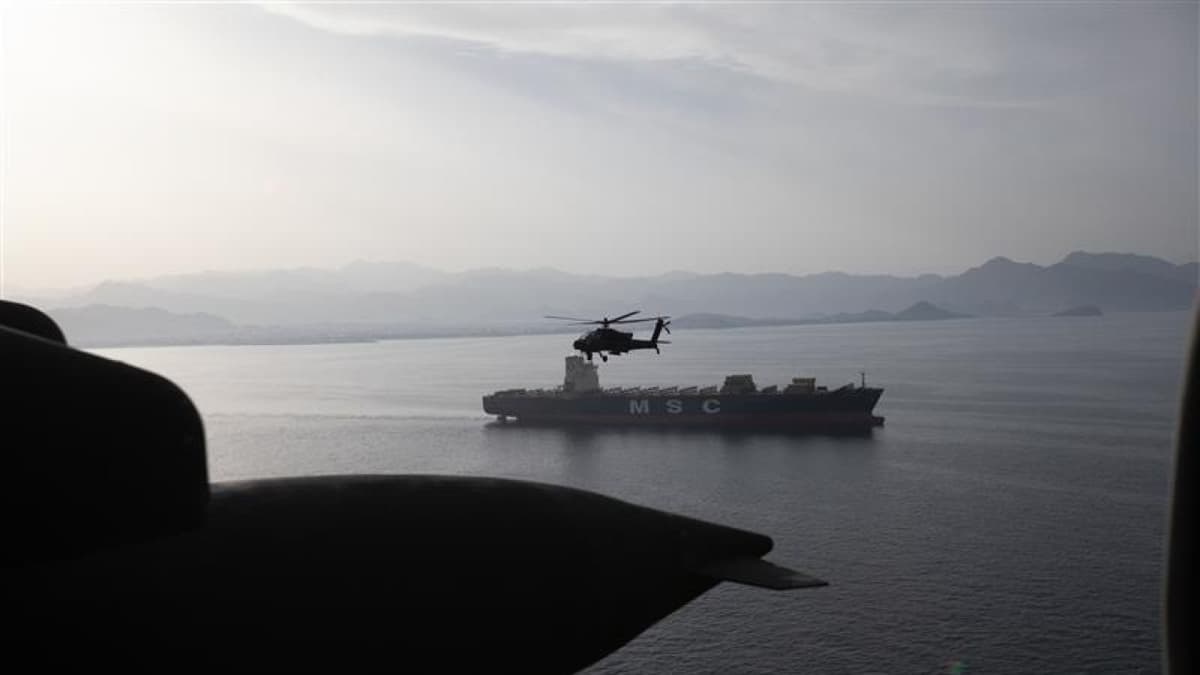
Industry Issues Strait of Hormuz Transit Guidance
Why It Matters
The guidance provides a unified risk‑management framework that can reduce accidents, insurance claims and operational disruptions in one of the world’s most volatile chokepoints, protecting global oil flow and supply‑chain reliability.
Key Takeaways
- •Guidance issued by major maritime bodies for Hormuz transit safety
- •Defer transit if threat assessment rises, per new industry guidance
- •Human performance risks flagged: workload, stress, fatigue during transit
- •Open TSS may face GNSS spoofing, drone, unmanned vessel attacks
- •Decision aid reviews threat, navigation, vessel readiness, crew, shore support
Pulse Analysis
The Strait of Hormuz remains a critical artery for global energy markets, handling roughly 20% of the world’s oil shipments. Recent escalations in the region have prompted the International Chamber of Shipping and other key stakeholders to produce a comprehensive safety manual. By consolidating threat intelligence from military sources and commercial operators, the guidance equips ship owners with actionable criteria to postpone voyages when risk levels spike, thereby averting potential collisions or hostile encounters that could ripple through commodity prices.
Beyond the decision‑aid’s five review pillars—threat picture, navigation picture, vessel readiness, crew and security posture, and shore support—the document highlights emerging technological threats. GNSS spoofing and jamming could compromise electronic navigation, while unmanned surface vessels, drones and mines introduce kinetic hazards that traditional watch‑keeping may not detect. Emphasizing crew fatigue, the guidance recommends workload management and rest protocols, acknowledging that human error often amplifies technical vulnerabilities during high‑stress transits.
For insurers and charterers, the guidance offers a benchmark for underwriting and contractual clauses tied to Hormuz passages. Clear red‑flag criteria—such as recent kinetic engagements or ambiguous insurance coverage—enable faster decision‑making and limit exposure to costly claims. As the Traffic Separation Scheme reopens, operators who integrate these best practices can sustain throughput, protect assets and contribute to the stability of a chokepoint that underpins global trade.
Industry issues Strait of Hormuz transit guidance
Comments
Want to join the conversation?
Loading comments...