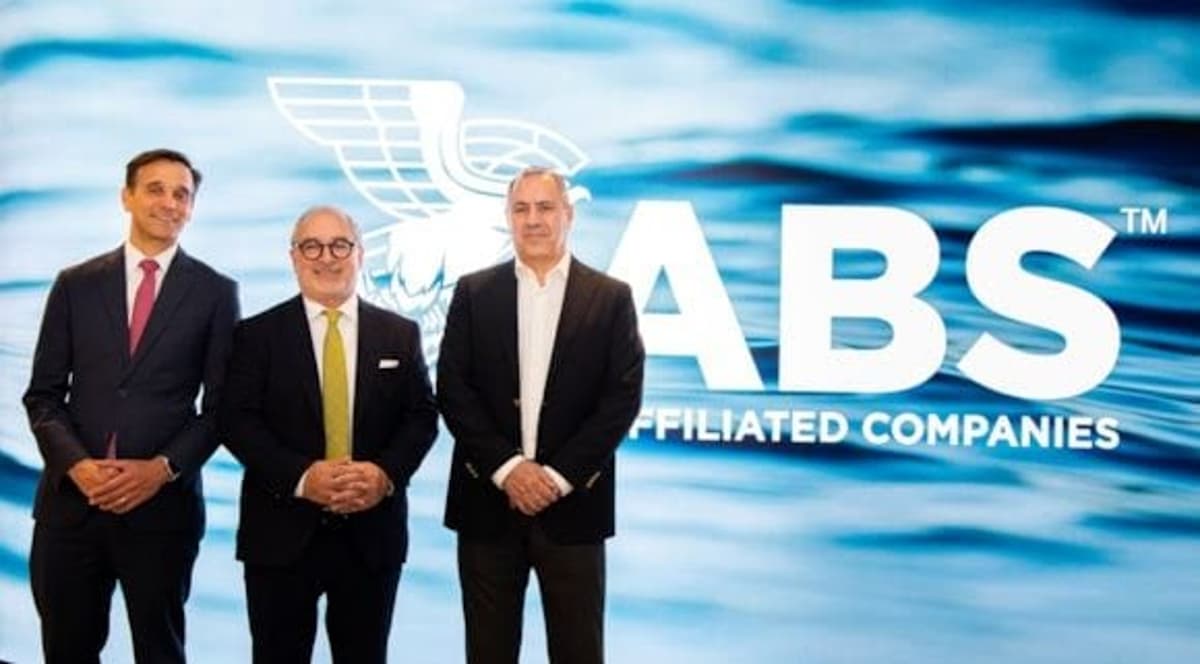
Industry?First ABS SeaTech Innovation Exchange Launches Strengthening Greek-U.S. Maritime Technology Collaboration
Why It Matters
By bridging research and operations across the Atlantic, ABS enables faster adoption of advanced technologies that can lower costs, improve safety, and meet tightening environmental standards in global shipping.
Key Takeaways
- •ABS opens SeaTech Exchange centers in Athens and Houston.
- •Exchange links Greek shipping operations with U.S. maritime research.
- •Focus on AI, robotics, digital engineering, and crew training.
- •Aims to shorten tech development cycles for commercial fleets.
- •Supports workforce readiness and faster certification of innovations.
Pulse Analysis
The maritime sector faces mounting pressure to modernize as global trade volumes rise and environmental regulations tighten. Recognizing this, American Bureau of Shipping (ABS) has unveiled the SeaTech Innovation Exchange, a bi‑continental partnership that brings together Greece’s deep shipping heritage and the United States’ cutting‑edge maritime research ecosystem. By situating technology hubs in Athens and Houston, ABS creates a conduit for ideas to travel swiftly from academic labs to the decks of commercial vessels, addressing a long‑standing gap between innovation and operational adoption.
The two centers focus on high‑impact domains such as artificial intelligence, robotics, digital engineering, and advanced simulation. In Houston, ABS collaborates with tier‑one universities, maritime startups, and federal research programs to prototype autonomous navigation tools and predictive maintenance algorithms. Meanwhile, the Athens facility translates those prototypes into crew‑centric training modules, AI‑enabled simulators, and certification pathways that reflect real‑world operating conditions. This dual‑track approach not only accelerates technology readiness but also ensures that new solutions are vetted against the practical constraints of commercial fleets.
Industry observers see the Exchange as a catalyst for a more resilient and competitive global shipping fleet. Faster adoption cycles can lower fuel consumption, reduce emissions, and improve safety—key metrics that regulators and charterers increasingly demand. Moreover, the emphasis on workforce readiness equips the next generation of mariners with digital skills, narrowing the talent gap that has hampered technology rollout. As other classification societies watch closely, ABS’s model may set a new standard for cross‑border collaboration in maritime R&D, shaping the sector’s trajectory for years to come.
Industry?First ABS SeaTech Innovation Exchange Launches Strengthening Greek-U.S. Maritime Technology Collaboration
Comments
Want to join the conversation?
Loading comments...