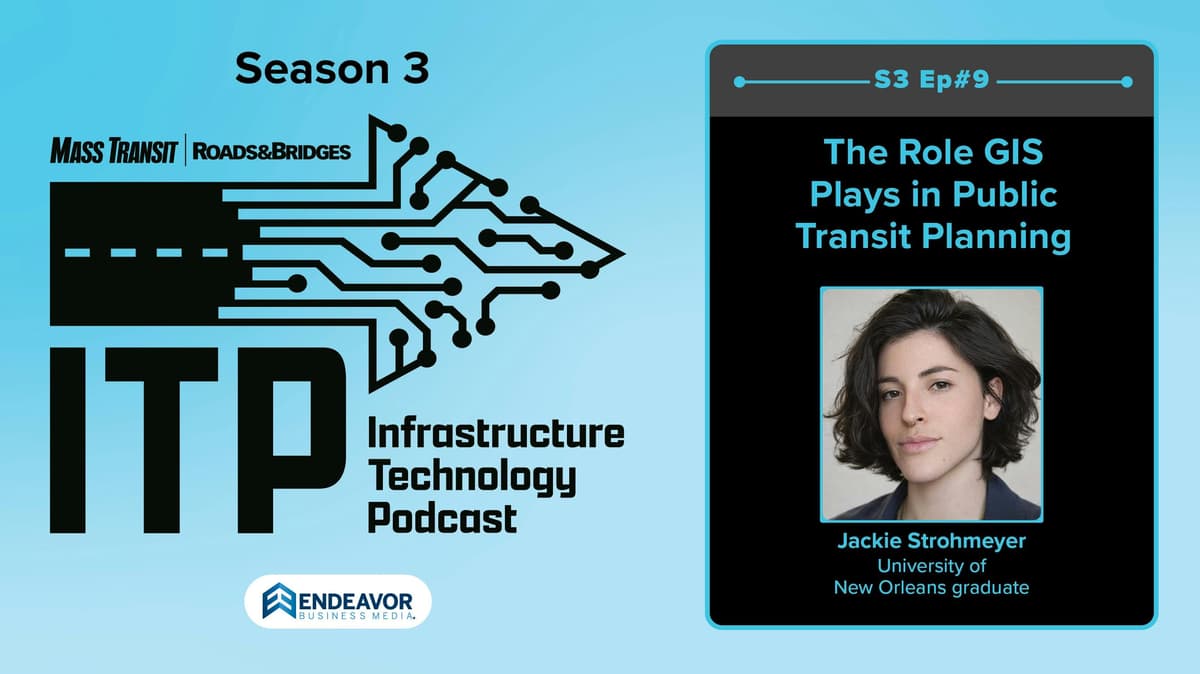
Infrastructure Technology Podcast: The Role GIS Plays In Public Transit Planning
Why It Matters
GIS‑driven planning improves mobility equity and operational efficiency, giving transit agencies data‑backed tools to serve underserved communities. Integrating AI responsibly accelerates analysis but preserves essential human judgment for equitable outcomes.
Key Takeaways
- •GIS maps transit access, guiding equity-focused route redesigns
- •AI accelerates GIS analysis but requires human equity oversight
- •Title VI analysis ensures route changes don’t harm vulnerable communities
- •Transit‑oriented development links affordable housing with new bus networks
- •AI traffic tools prepare cities for World Cup event congestion
Pulse Analysis
Geographic Information Systems have become the backbone of modern transit planning, turning raw spatial data into actionable insights. By overlaying census demographics, land‑use patterns, and existing service maps, GIS enables agencies to pinpoint gaps in accessibility and prioritize investments where they matter most. This data‑driven approach not only supports compliance with Title VI civil‑rights requirements but also fuels transit‑oriented development strategies that align affordable housing with high‑frequency routes, fostering more inclusive, walkable neighborhoods.
Artificial intelligence is rapidly augmenting GIS workflows, automating routine tasks such as code generation for ArcGIS Pro and real‑time incident detection during disasters. AI‑enhanced models can simulate traffic flows and predict congestion hotspots, a capability that cities like Dallas are leveraging ahead of the 2026 FIFA World Cup. However, experts caution that AI should complement, not replace, human expertise—particularly when equity trade‑offs arise. Human analysts remain essential for interpreting nuanced community impacts and ensuring that algorithmic recommendations do not inadvertently marginalize vulnerable riders.
The episode also underscores a broader shift in the transit labor market. Professionals from sociology, housing policy, and data analytics are entering the field, expanding the talent pool beyond traditional engineers. This interdisciplinary influx brings fresh perspectives on mobility equity and fosters innovative solutions to longstanding challenges. As AI tools become more accessible, the industry will likely see a surge in hybrid roles that blend technical GIS proficiency with policy insight, positioning transit agencies to deliver smarter, more equitable services in an increasingly data‑centric world.
Infrastructure Technology Podcast: The role GIS plays In public transit planning
Comments
Want to join the conversation?
Loading comments...