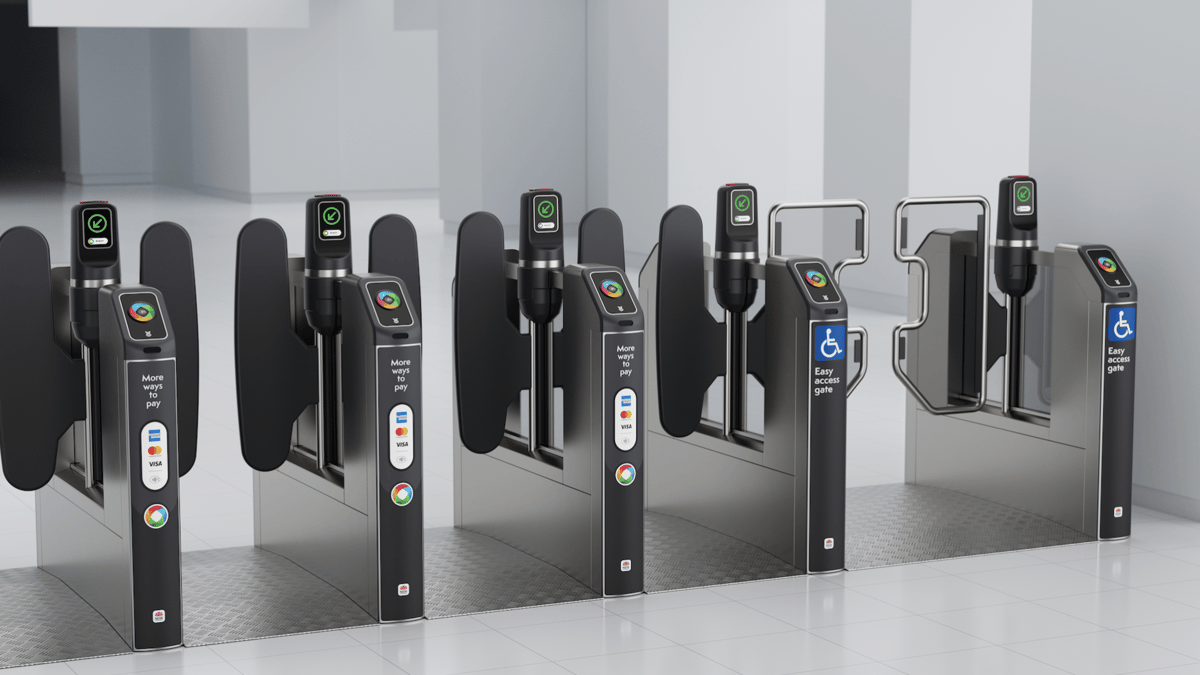
INIT to Roll Out 25,000 Contactless Account-Based Validators for Sydney
Why It Matters
The shift to account‑based ticketing modernizes one of Australia’s busiest transit networks, improving passenger convenience and operational efficiency while setting a benchmark for global public‑transport digitalization.
Key Takeaways
- •25,000 validators to be installed across Sydney’s entire public‑transport network.
- •Cloud‑based fare balances enable smartphone, bank‑card and digital Opal card payments.
- •Passengers can check‑in with one device and check‑out with another.
- •Project includes ten‑year operations contract, completing by 2028.
- •INIT brings experience from North America and Europe to Australian market.
Pulse Analysis
INIT’s entry into the Australian market reflects a broader global shift toward account‑based ticketing (ABT), a model that decouples the physical fare media from the backend fare ledger. By moving fare balances to the cloud, operators can offer real‑time fare adjustments, dynamic pricing, and seamless integration with mobile wallets. INIT, already a pioneer in North America and Europe, leverages its ABT expertise to deliver a system that scales across diverse transport modes while maintaining data security and low latency.
For Transport for NSW, Opal 2.0 promises a leap in passenger experience. Riders will no longer need a single card for the entire journey; instead, any registered device—smartphone, bank card, or digital Opal—can serve as a check‑in token, with the system automatically reconciling check‑out on a different device. Fare capping and distance‑based pricing become easier to enforce, reducing fare disputes and cutting customer‑service costs. The 25,000 validators, strategically placed on vehicles and stations, will support contactless interactions, accelerating boarding times and improving service reliability across the network’s 600 million annual trips.
The contract’s ten‑year operations component underscores a trend toward long‑term partnerships between transit agencies and technology providers. As Australian cities pursue smarter mobility solutions, the Opal 2.0 platform could serve as a template for other regions seeking to modernize legacy fare systems. INIT’s involvement may also stimulate competition among global ticketing vendors, driving innovation and potentially lowering costs for future public‑transport upgrades. In a market where digital integration is becoming a competitive differentiator, the Sydney rollout positions both TfNSW and INIT at the forefront of next‑generation urban mobility.
INIT to roll out 25,000 contactless account-based validators for Sydney
Comments
Want to join the conversation?
Loading comments...