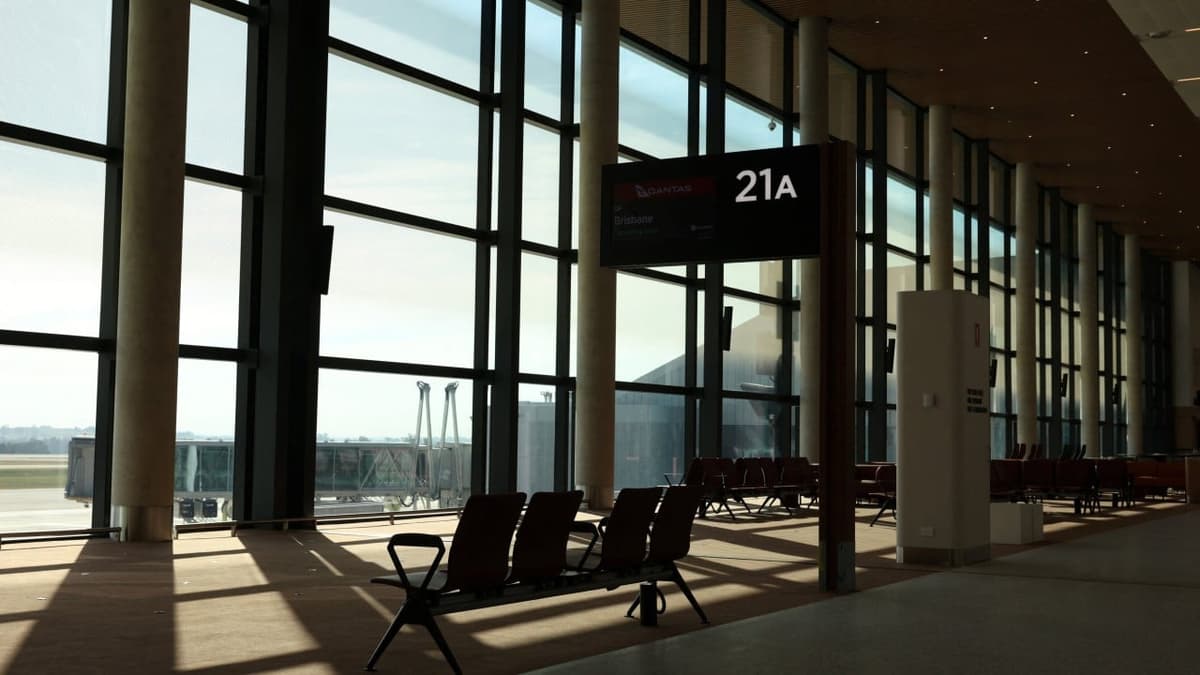
Inside Australia’s First Major New Airport in More than 50 Years
Companies Mentioned
Why It Matters
The airport expands Sydney’s capacity, unlocks overnight international routes, and fuels economic growth in Western Sydney, reshaping Australia’s aviation landscape.
Key Takeaways
- •Western Sydney Airport opens October, costing A$5.6 b (US$4 b).
- •Operates 24/7, eliminating Sydney's night‑curfew restrictions.
- •Initial capacity 10 million passengers annually, ~25% of existing hub.
- •Qantas, Jetstar, Air New Zealand, Singapore Airlines launch services.
- •Airport anchors A$18 b (US$12.8 b) Western Sydney development plan.
Pulse Analysis
The debut of Western Sydney Airport marks Australia’s first major airport construction in over half a century, addressing a chronic capacity bottleneck at the legacy Sydney hub. By operating around the clock, the new facility sidesteps the 11 p.m. to 6 a.m. curfew that has constrained airline scheduling, especially for long‑haul Asian and Gulf carriers. This flexibility enables airlines to offer red‑eye services that connect seamlessly with European onward flights, potentially reshaping route economics and passenger flow across the region.
Beyond passenger convenience, the airport is a cornerstone of a A$18 billion (US$12.8 billion) investment package aimed at transforming Western Sydney into a high‑growth economic corridor. The project includes a dedicated Sydney Metro link, upgraded road networks, and a state‑of‑the‑art freight hub that will support Qantas’s cargo operations. Early estimates suggest the development could generate tens of thousands of construction and permanent jobs, while stimulating ancillary sectors such as hospitality, retail, and logistics, thereby diversifying the metropolitan economy.
Strategically, the airport positions Sydney to compete more directly with Melbourne and Brisbane for Asian and Middle‑East traffic, while also catering to the region’s rapidly expanding, multicultural population. Airlines like Singapore Airlines are already scheduling midnight departures to exploit the lack of curfew, signaling a shift toward more aggressive slot utilization. As passenger volumes grow, the airport’s design allows for phased expansion, ensuring it can accommodate future demand without the constraints that have limited the legacy airport for decades.
Inside Australia’s first major new airport in more than 50 years
Comments
Want to join the conversation?
Loading comments...