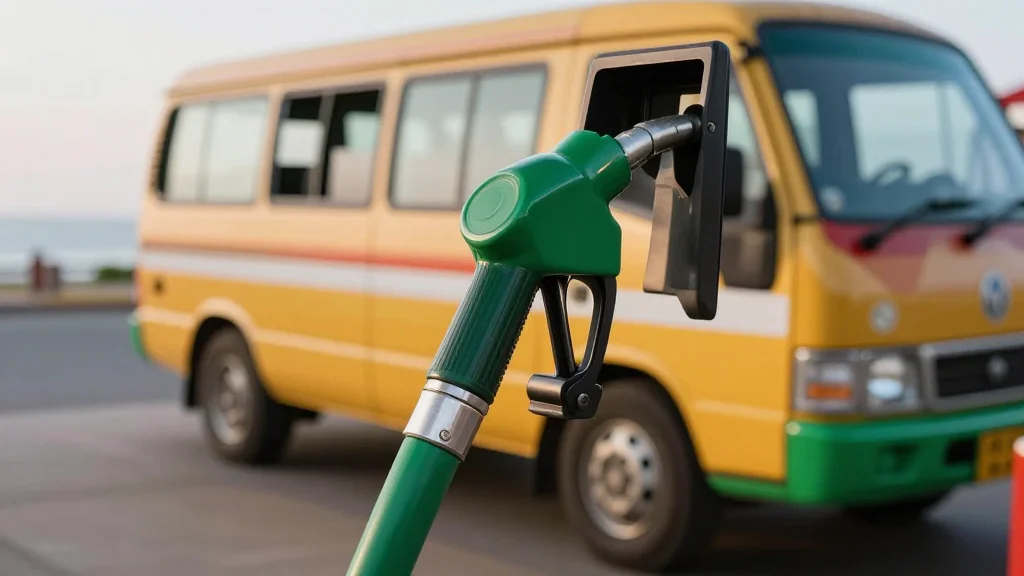
Inside Ruto, Transport Officials Mombasa Meeting that Ended Fuel Crisis Strike
Why It Matters
The intervention stabilises Kenya’s transport costs, averts further economic disruption, and signals a shift toward regulatory reform and greener mobility in East Africa’s largest market.
Key Takeaways
- •Ruto pledged a Sh10 (~$0.07) diesel price cut in June‑July cycle
- •Government spent roughly $188 million on fuel subsidies and tax reliefs
- •Review of Insurance Act and Auctioneers Act slated within three months
- •Strike suspended after high‑level talks with transport operators and ministries
- •Kenya plans duty‑free import of first 100,000 electric vehicles
Pulse Analysis
Kenya’s recent fuel crisis underscores how global oil market volatility can quickly translate into domestic unrest. With Middle‑East tensions tightening supply chains, diesel and petrol prices surged by over 100% in early 2026, prompting a nationwide transport strike that halted commuter services in Nairobi. By deploying roughly $188 million in direct subsidies and halving petroleum VAT, President Ruto cushioned households and businesses from the worst of the shock, while promising a modest Sh10 diesel discount to keep pump prices in check.
Beyond short‑term relief, the administration’s focus on regulatory overhaul aims to address systemic vulnerabilities in the transport sector. A fast‑track review of the Insurance Act and Auctioneers Act will compel insurers to honour claims, reducing the burden on drivers who currently absorb accident costs. The move is expected to improve financial resilience for operators and restore confidence among investors and lenders, especially as banks negotiate temporary loan relief for fleets strained by rising fuel expenses.
Looking ahead, Kenya is positioning itself for a more sustainable energy future. The government is accelerating regional oil exploration in Turkana and courting joint‑venture refinery projects to cut reliance on imports. Simultaneously, a duty‑free policy for the first 100,000 electric vehicles, coupled with a rollout of 3,000 EVs through public programs, signals a decisive pivot toward low‑carbon mobility. These initiatives could lower long‑term fuel demand, diversify the economy, and align Kenya with broader East African climate and infrastructure goals.
Inside Ruto, transport officials Mombasa meeting that ended fuel crisis strike
Comments
Want to join the conversation?
Loading comments...