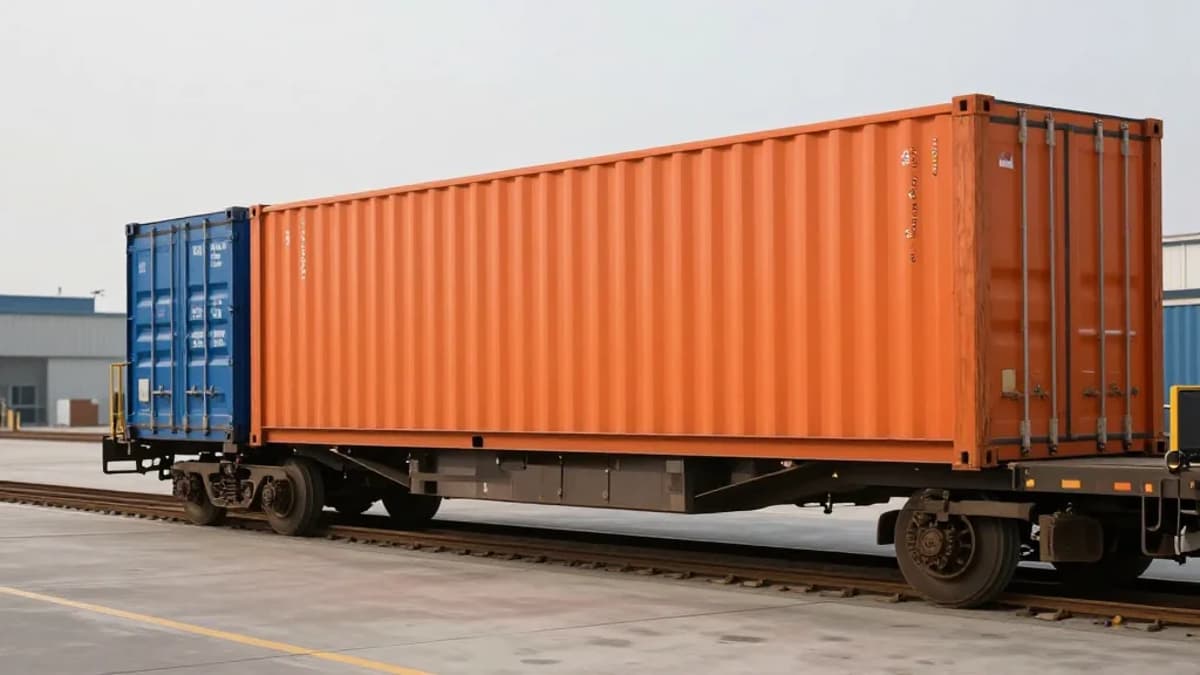
Intermodal Volumes See 5.9% Annual January Decline, Reports IANA
•February 26, 2026
0
Why It Matters
The modest rebound signals intermodal’s capacity to absorb freight shifts amid tariff volatility and trucking headwinds, making it a strategic hedge for shippers and a growth avenue for rail operators.
Key Takeaways
- •January 2026 intermodal volumes fell 5.9% YoY.
- •2025 saw 2.3% annual growth despite tariff uncertainty.
- •Trailer volumes down 7.2% in January, ISO down 8.9%.
- •IANA forecasts 1.25% volume increase in 2026.
- •Trucking capacity constraints may boost intermodal market share.
Pulse Analysis
January’s 5.9% year‑over‑year drop in intermodal volumes marks the first full‑month decline of 2026, pulling total units to 1,469,047. The slide reflects a continuation of the post‑July pull‑forward effect, when importers accelerated shipments to beat a temporary suspension of White House reciprocal tariffs. As the tariff pause ended, the backlog dissipated, leaving a weaker demand base for rail‑based container moves. Trailer movements fell 7.2% and ISO containers slipped 8.9%, underscoring the sensitivity of intermodal traffic to policy‑driven import timing and seasonal freight cycles.
Even with the January dip, 2025 delivered a 2.3% increase in total intermodal traffic, reaching almost 19 million units. IANA attributes that growth to robust consumer spending that withstood tariff‑related uncertainty, alongside notable improvements in railroad on‑time performance. Industrial activity—particularly manufacturing investment and a resurgence in housing starts—provided a steady stream of domestic containers, while rail operators benefitted from higher train reliability. These fundamentals helped offset the volatility introduced by trade policy, positioning intermodal as a reliable conduit for both finished goods and raw materials across the United States.
Looking ahead, IANA’s Andrew Sibold projects a modest 1.25% rise in 2026 volumes, but highlights several variables that could amplify that trajectory. Ongoing tariff litigation and the Supreme Court’s recent rulings introduce uncertainty, while trucking faces capacity constraints from tighter CDL regulations and potential fuel price spikes tied to geopolitical tensions. Such headwinds create an opening for intermodal to capture additional market share, especially if freight rates remain low for trucks. Shippers seeking cost‑effective, resilient transport options may increasingly favor rail‑based intermodal solutions, prompting rail carriers to invest in capacity and service reliability to capitalize on the shift.
Intermodal volumes see 5.9% annual January decline, reports IANA
0
Comments
Want to join the conversation?
Loading comments...