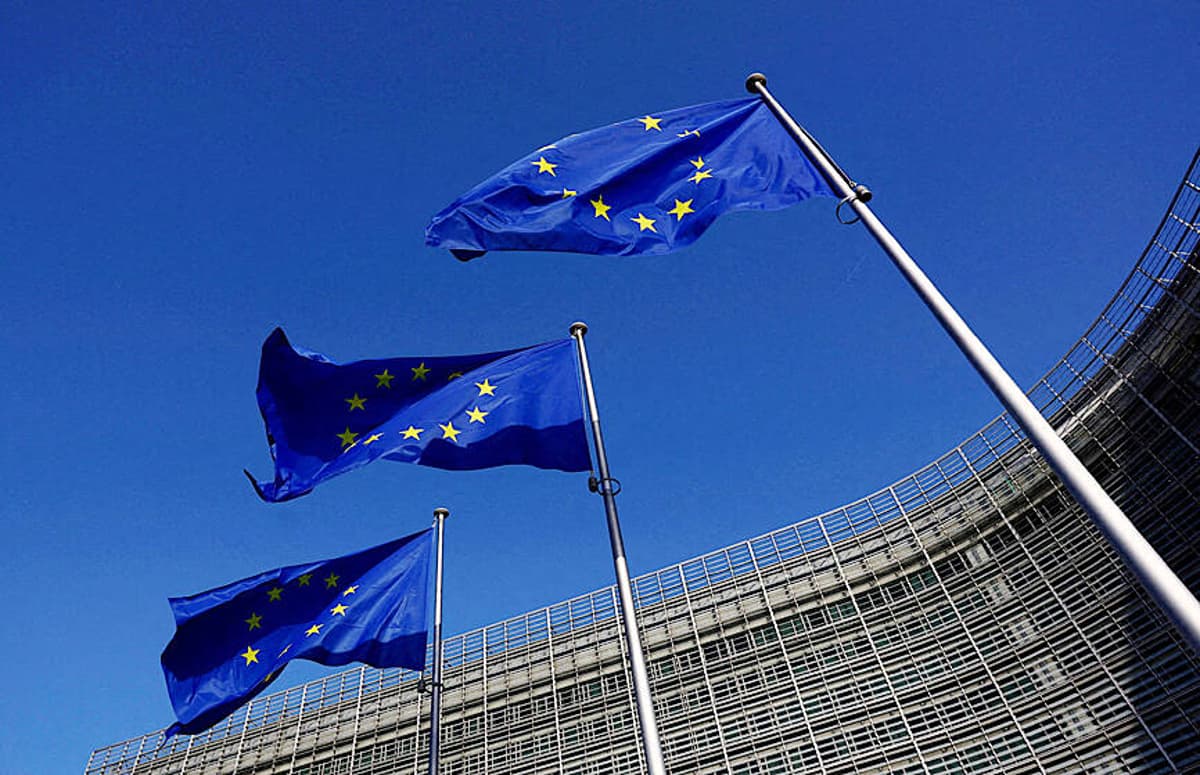
International Concerns Raised After Lai’s Flight Blocked
Why It Matters
The denial of overflight rights illustrates how China’s economic leverage can translate into geopolitical pressure, threatening the predictability of international aviation and Taiwan’s limited diplomatic space. It signals a potential escalation in the use of debt diplomacy as a tool of statecraft.
Key Takeaways
- •EU warns overflight denials breach aviation neutrality.
- •China allegedly leveraged debt to pressure Seychelles, Mauritius, Madagascar.
- •Taiwan President Lai's Africa visit postponed, highlighting diplomatic isolation.
- •US and IPAC condemn coercive tactics, call for accountability.
- •Paraguay and St. Kitts & Nevis reaffirm support for Taiwan.
Pulse Analysis
Overflight rights are a cornerstone of global civil aviation, ensuring that airlines can navigate sovereign airspace without arbitrary interference. The European Union’s swift rebuke of the three African nations highlights concerns that political motives are eclipsing safety and operational stability. By framing the revocation as a breach of neutrality, the EU signals its willingness to defend established aviation norms, a stance that resonates with airlines, logistics firms, and governments reliant on predictable routes for trade and diplomacy.
China’s growing debt exposure across Africa—estimated at roughly half the continent’s sovereign debt—provides it with a potent lever to influence policy decisions. Analysts note that Beijing has previously used infrastructure financing and loan restructuring to sway voting patterns and strategic alignments. The sudden withdrawal of overflight clearance for President Lai’s charter fits a broader pattern of economic coercion, where debt‑laden states feel compelled to prioritize Chinese interests over established diplomatic ties. This approach not only restricts Taiwan’s outreach but also raises alarms about the erosion of sovereign decision‑making in debt‑heavy nations.
The United States, together with the Inter‑Parliamentary Alliance on China, has condemned the episode as economic warfare, urging coordinated countermeasures. Lawmakers are calling for heightened scrutiny of Chinese debt projects and for mechanisms to protect democratic partners from coercive tactics. For Taiwan, the incident underscores the fragility of its remaining diplomatic footholds and the need for diversified engagement strategies. As the geopolitical contest intensifies, the episode may prompt a recalibration of how nations balance economic dependencies with strategic autonomy.
International concerns raised after Lai’s flight blocked
Comments
Want to join the conversation?
Loading comments...