Intertraffic 2026: Asura Powers Predictive Mobility Transformation
•March 4, 2026
0
Why It Matters
Predictive mobility transforms safety, efficiency, and revenue, giving operators a competitive edge in an increasingly volatile transport environment.
Key Takeaways
- •Predictive analytics reduce congestion and improve toll accuracy
- •Automation cuts manual labor, boosting revenue and compliance
- •Asura deployed AI video analytics across 500 US parking sites
- •Modular architecture enables seamless integration with existing infrastructure
- •Operators must adopt real-time data to stay competitive
Pulse Analysis
Volatility has become the new norm for modern transport networks, driven by rapid adoption of shared micro‑mobility, evolving tolling schemes, and tightening emissions and equity regulations. Operators can no longer rely on static planning; they must ingest continuous streams from cameras, GNSS, and IoT sensors to maintain situational awareness. This shift fuels demand for predictive, data‑driven solutions that turn raw data into actionable insights, ensuring safety, operational resilience, and regulatory compliance.
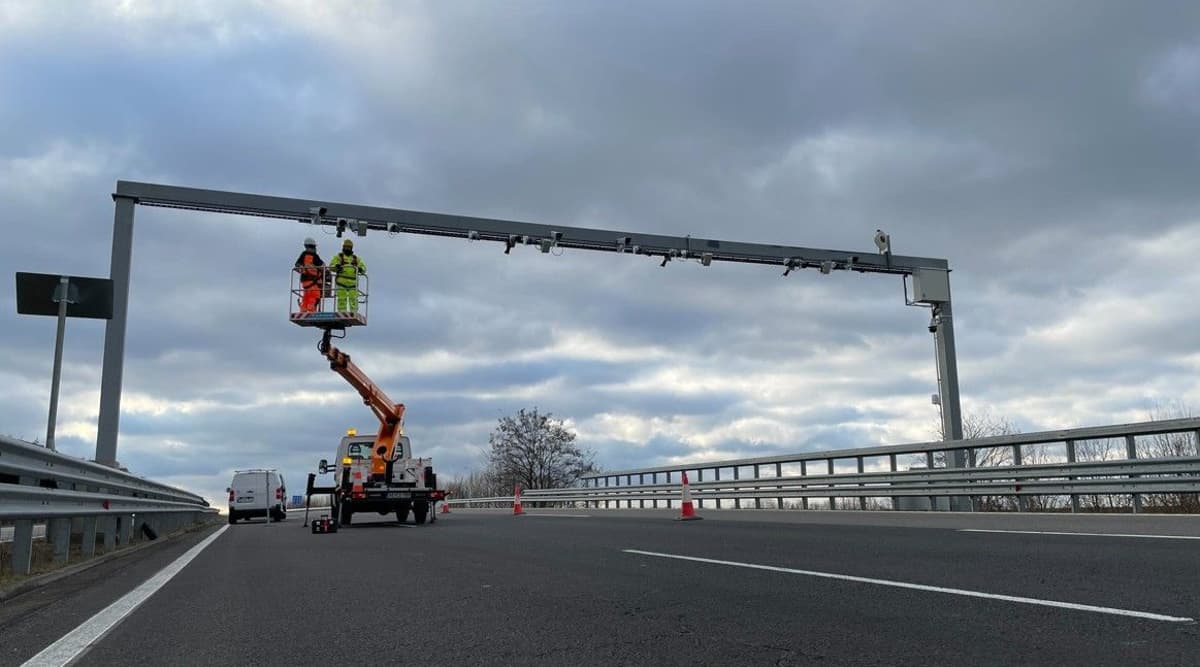
Asura Technologies positions itself at the forefront of this transition with an AI‑powered video analytics suite that is hardware‑agnostic and easily integrates into legacy systems. Recent deployments include over 500 parking facilities in the United States and extensive highway projects in Hungary and Indonesia, where the platform has sharpened tolling accuracy, accelerated incident response, and cut manual processing costs. By leveraging modular architecture, Asura enables phased rollouts, allowing operators to start with high‑impact pilots, refine data quality, and scale predictive capabilities without disrupting existing operations.
The broader market implication is clear: transport operators that embrace predictive mobility will secure higher revenue streams, lower operational overhead, and stronger compliance postures, while laggards risk inefficiencies and lost market share. Future‑ready systems must combine real‑time data ingestion, AI analytics, and collaborative partnerships to build resilient networks capable of adapting to regulatory shifts and emerging mobility modes. As the industry moves toward proactive management, vendors offering end‑to‑end, scalable solutions like Asura will likely become strategic allies for operators seeking sustainable growth.
Intertraffic 2026: Asura powers predictive mobility transformation
0
Comments
Want to join the conversation?
Loading comments...