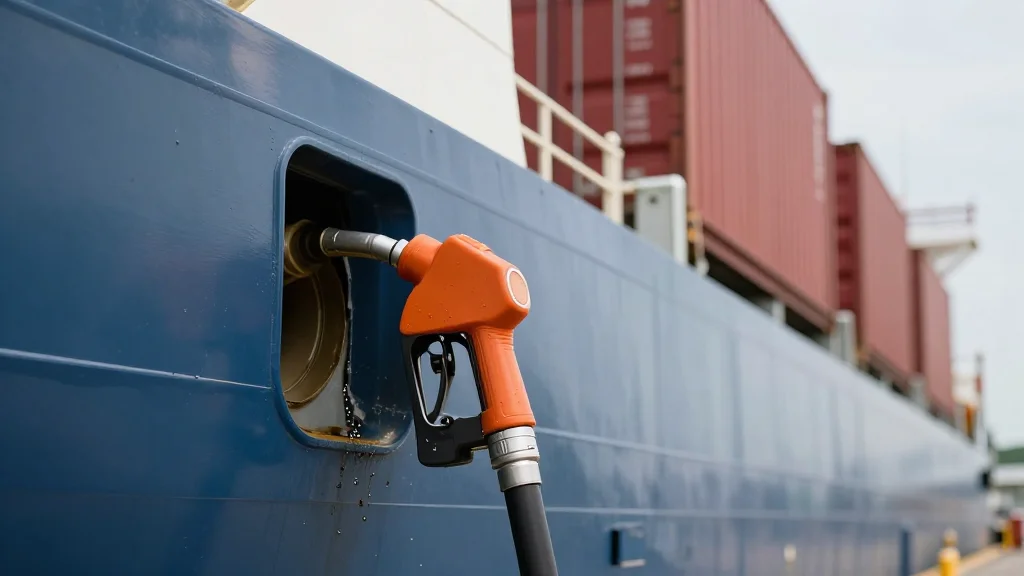
Iran Conflict Has Limited Impact on US Ports but Rising Fuel Costs Could Weigh
Why It Matters
Rising bunker fuel costs threaten to erode profit margins for shippers and lift consumer prices, adding inflationary pressure despite stable container volumes. The situation underscores the interconnectedness of global supply chains and the need for retailers to monitor energy price volatility.
Key Takeaways
- •US container traffic fell 4.2% YoY in February 2026.
- •Strait of Hormuz tensions raise global shipping fuel costs.
- •Higher bunker fuel prices could increase consumer prices for goods.
- •Asian ports more vulnerable to fuel supply constraints than US ports.
- •First half 2026 TEU volume down 1.8% YoY.
Pulse Analysis
The February 2026 TEU count of 1.95 million at U.S. ports, excluding New York/New Jersey, aligns with the typical seasonal lull after Asian Lunar New Year shutdowns. Although the volume dip is modest, the broader narrative centers on cost pressures rather than capacity constraints. Retailers and logistics firms are watching the data closely because even a stable throughput can mask underlying expense spikes that erode margins.
Fuel price dynamics have taken center stage as blockages in the Strait of Hormuz tighten global bunker markets. With the Persian Gulf supplying a large share of marine fuel, any disruption inflates bunker costs, which are passed on through higher freight rates. Those increased rates feed directly into the landed cost of imported goods, feeding consumer price indices and potentially prompting retailers to adjust pricing strategies or absorb costs, thereby squeezing profitability.
Looking ahead, the Global Port Tracker forecasts a gradual rebound in TEU volumes through May and June, buoyed by reduced tariff impacts compared with the previous year. However, the first half of 2026 still shows a 1.8% decline versus 2025, indicating lingering headwinds. Asian ports, more dependent on Gulf fuel, face greater operational risk, which could reverberate through transpacific lanes and affect U.S. import schedules. Companies that diversify routing, hedge fuel exposure, and maintain flexible carrier contracts will be better positioned to mitigate the inflationary ripple effects of ongoing geopolitical tensions.
Iran conflict has limited impact on US ports but rising fuel costs could weigh
Comments
Want to join the conversation?
Loading comments...