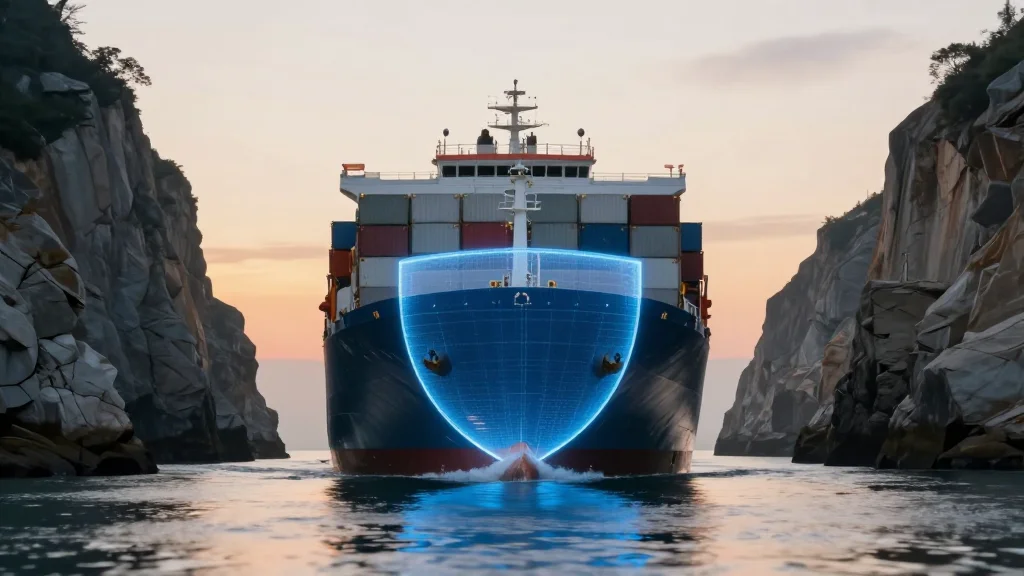
Iran Launches "Persian Gulf Strait Authority" To Administer Hormuz Tolls
Companies Mentioned
Why It Matters
The PGSA centralizes Iran’s controversial Hormuz tolls, exposing shipowners to U.S. sanction risk and escalating security concerns in a critical global oil chokepoint.
Key Takeaways
- •Iran created Persian Gulf Strait Authority to centralize Hormuz tolls
- •Official email info@PGSA.ir provides single-window transit authorization
- •U.S. threatens sanctions on entities paying Iran for Hormuz passage
- •CMA CGM San Antonio strike underscores rising security threats in strait
Pulse Analysis
Iran’s decision to formalize a toll‑collection regime for the Strait of Hormuz reflects a strategic shift from ad‑hoc fee requests to a state‑run bureaucracy. After the March announcement, opportunistic actors flooded the market with cryptocurrency‑based scams, offering fake permits that left shipowners wary and financially exposed. By launching the Persian Gulf Strait Authority and assigning a dedicated email address, Tehran aims to legitimize the process, streamline paperwork, and present a veneer of regulatory certainty. However, the authority’s direct link to the Islamic Revolutionary Guard Corps—a U.S.-designated terrorist organization—raises immediate compliance red flags for international operators.
The United States has warned that any entity paying Iran for Hormuz passage could face secondary sanctions, a stance that complicates the PGSA’s outreach. U.S. signals‑intelligence capabilities can monitor communications to the official address, prompting shipowners to weigh the legal peril of transparent coordination against the operational necessity of safe transit. This dynamic forces maritime firms to adopt heightened due‑diligence protocols, often involving layered payment structures or reliance on third‑party intermediaries to obscure the beneficiary of toll payments. The risk calculus now includes potential asset freezes, denial of access to U.S. financial systems, and heightened insurance premiums for voyages through the strait.
Beyond the financial and legal dimensions, the security environment around Hormuz remains volatile. Iran’s opposition to the U.S.-led “Project Freedom,” which offers free escort services through Omani waters, has manifested in kinetic actions, including missile strikes on merchant vessels such as the Maltese‑flagged CMA CGM San Antonio. These incidents underscore the broader geopolitical contest for control of a vital oil conduit, compelling global shippers to reassess routing strategies, diversify supply chains, and invest in real‑time threat monitoring. As the PGSA seeks legitimacy, the convergence of sanction risk and physical danger makes Hormuz one of the most complex maritime corridors for commercial navigation today.
Iran Launches "Persian Gulf Strait Authority" to Administer Hormuz Tolls
Comments
Want to join the conversation?
Loading comments...