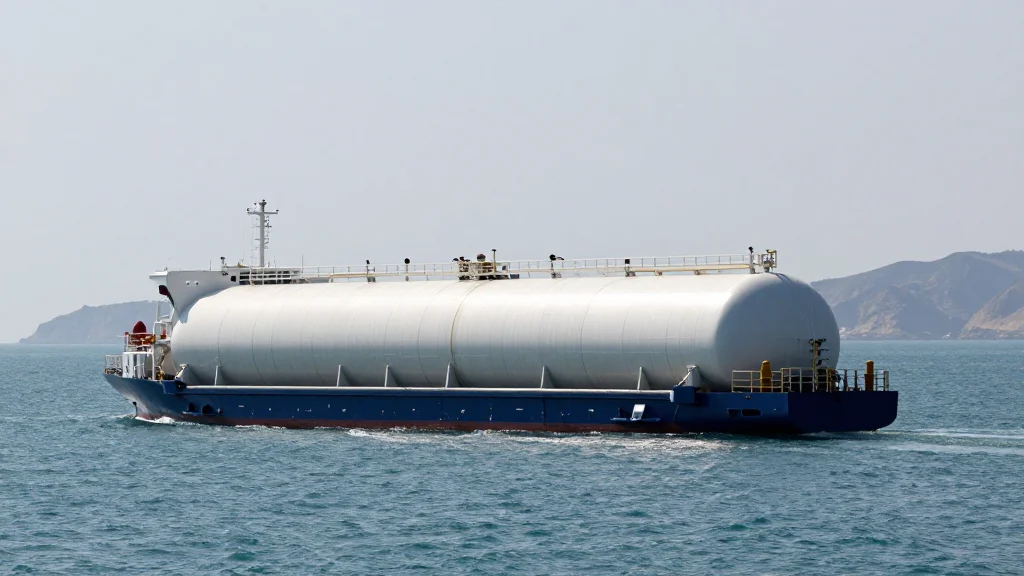
Iran-Linked LPG Tanker Signals Indian Ownership Through Hormuz
Companies Mentioned
Why It Matters
The move highlights the logistical gymnastics required to sustain global LPG supplies amid escalating geopolitical tensions, and suggests Indian‑registered vessels are being leveraged to mitigate sanction risks.
Key Takeaways
- •Tara Gas, an LPG tanker, declares Indian crew despite Iranian cargo history
- •Vessel follows Tehran‑approved route through Hormuz, fully laden with cooking‑fuel LPG
- •Owner Global Gas Inc. is UAE‑based; manager Matrix Maritime Solutions unresponsive
- •Transit underscores ships’ tactics to bypass Iranian and U.S. blockades
Pulse Analysis
The Strait of Hormuz remains one of the world’s most contested maritime chokepoints, funneling roughly 20% of global oil and a significant share of liquefied petroleum gas. Since mid‑April, the United States has enforced a naval blockade aimed at curbing Iran’s ability to export energy, while Tehran has imposed its own restrictions on vessels exiting the Persian Gulf. This dual‑blockade environment forces shippers to adopt creative routing and documentation strategies to avoid detention, especially for commodities like LPG that serve as essential cooking fuel across emerging markets.
The Tara Gas episode underscores how operators blend national affiliations to sidestep geopolitical friction. Although the vessel’s ownership is recorded under UAE‑based Global Gas Inc. and managed by Matrix Maritime Solutions, its crew and declared flag are Indian, a detail that may confer perceived neutrality amid Iranian‑U.S. tensions. Ship‑tracking platforms Vortexa and Kpler confirm the tanker’s recent Iranian cargoes, including a January shipment delivered to China, suggesting a pattern of re‑flagging to preserve market access. By navigating a Tehran‑approved lane past Larak Island, the carrier signals compliance with Iranian routing mandates while simultaneously signaling to Western authorities that it is not an Iranian‑controlled asset.
For the broader LPG market, such maneuvers have mixed implications. On one hand, they help sustain supply chains that keep cooking fuel affordable in South Asia and Africa, mitigating price spikes that often follow supply disruptions. On the other, they raise compliance challenges for regulators tasked with enforcing sanctions, potentially prompting tighter scrutiny of vessel registries and crew nationalities. Indian maritime firms may see increased demand for charter services that can credibly distance themselves from Iranian ties, while insurers and financiers will need to reassess risk models in a landscape where ownership, management, and crew nationality no longer align neatly. The evolving tactics around Hormuz will likely shape the next wave of policy responses and market dynamics in the global energy trade.
Iran-linked LPG tanker signals Indian ownership through Hormuz
Comments
Want to join the conversation?
Loading comments...