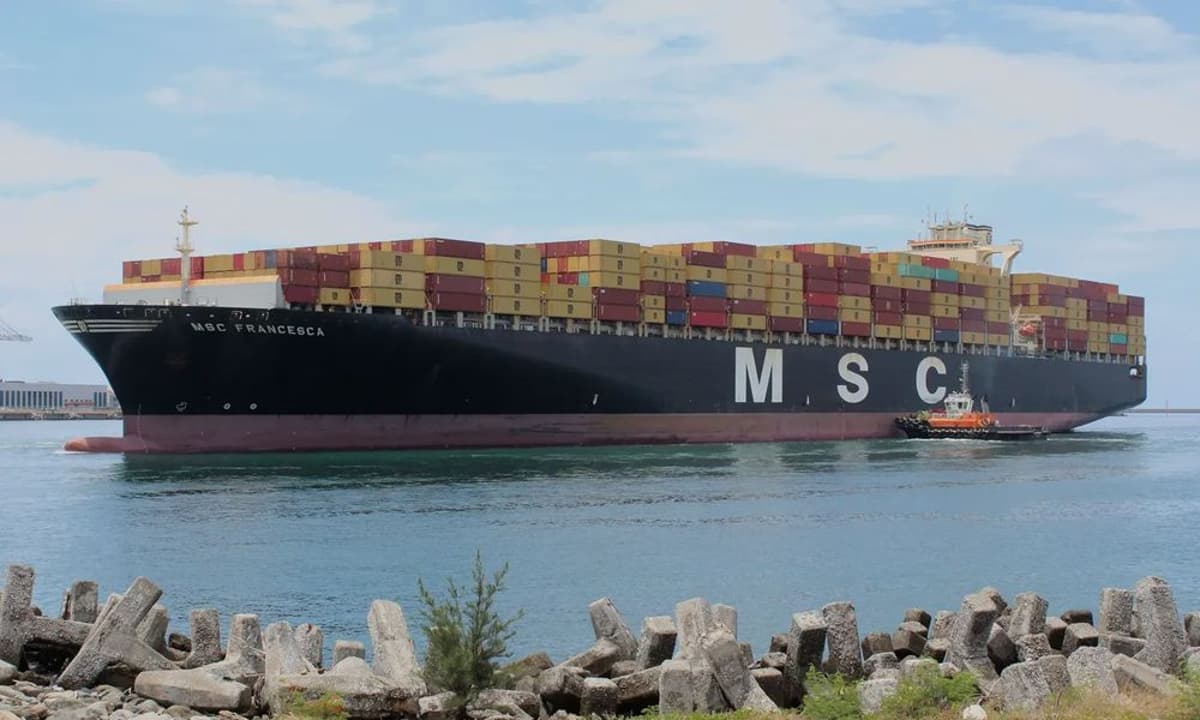
Iran Seizes Two Boxships After Fresh Attacks in Strait of Hormuz
Why It Matters
The seizures underscore escalating geopolitical risk for global trade routes, prompting shippers to reassess routing and compliance protocols. Insurance premiums and freight costs are likely to rise as operators seek safer passages.
Key Takeaways
- •IRGC seized MSC Francesca and Epaminondas after firing
- •Two ships damaged, crews unharmed, no injuries reported
- •Attacks targeted vessels lacking AIS transmission
- •US ceasefire extension tied to keeping strait open
- •Insurers warn heightened risk for non‑compliant ships
Pulse Analysis
The Strait of Hormuz remains one of the world’s most critical chokepoints, funneling roughly 20% of global oil shipments and a substantial share of containerized cargo. Recent diplomatic overtures, including a U.S.‑brokered cease‑fire extension, have aimed to preserve its openness, but Iran’s Revolutionary Guard has demonstrated a willingness to enforce its own maritime rules through force. By targeting vessels it claims are operating without proper permits or AIS signals, Tehran signals that political leverage will translate into direct action on the waterway.
The three incidents on Wednesday illustrate how compliance gaps can become flashpoints. The 6,673‑teu Epaminondas suffered bridge damage after a gunboat engagement, while the 11,668‑teu MSC Francesca was intercepted and forced to anchor with hull and accommodation damage. Both ships reported no injuries, yet the attacks highlight the vulnerability of vessels that either lack real‑time tracking or fail to respond to hails. Maritime security firms now advise operators to maintain active AIS transmission, adhere to Iranian navigation directives, and consider alternative routes when risk assessments exceed tolerance thresholds.
For shippers and insurers, the fallout is immediate. Premiums for war‑risk and kidnapping‑and‑extortion coverage are expected to climb, and charterers may impose higher fees for vessels willing to transit the strait under heightened threat. Some carriers are already rerouting around the Arabian Sea, adding days and fuel costs to voyages. As geopolitical tensions persist, the industry must balance cost efficiency with the imperative to protect crews and cargo, making robust compliance and real‑time monitoring essential components of modern maritime strategy.
Iran seizes two boxships after fresh attacks in Strait of Hormuz
Comments
Want to join the conversation?
Loading comments...