Iran Takes Seized Ships to Port, Countries Seek Info on Seafarers' Safety
Companies Mentioned
Why It Matters
The seizures underscore escalating maritime conflict in a critical oil chokepoint, threatening shipping security and global energy prices. Nations must monitor crew safety and potential supply disruptions as tensions rise.
Key Takeaways
- •IRGC seized two container ships, heading to Bandar Abbas
- •MSC Francesca crew includes Montenegrin captain and two Croatians
- •Epaminondas crew consists of Ukrainians and Filipinos, bound for India
- •Crews reported safe; families seek welfare information
- •Brent crude rose 2% to $104 amid Strait tensions
Pulse Analysis
The Strait of Hormuz remains one of the world’s most vulnerable maritime corridors, funneling roughly 20% of daily global oil and LNG shipments. Since late February, the waterway has been a flashpoint after the United States seized the Iranian‑flagged cargo vessel Touska, prompting Tehran to vow retaliation. The heightened military posturing has already nudged oil benchmarks upward, underscoring how quickly geopolitical moves can ripple through energy markets. Analysts watch the strait closely, as any prolonged disruption could force rerouting, increase freight rates, and strain already tight global supply chains.
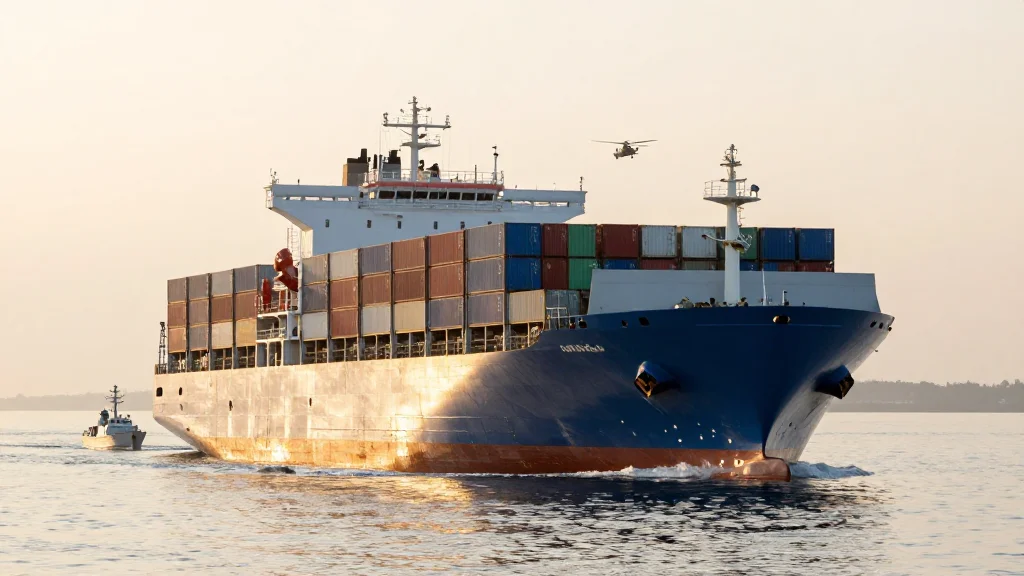
In the latest escalation, Iran’s Islamic Revolutionary Guard Corps boarded two container ships on April 19 and 22, steering them toward the southern port of Bandar Abbas. One vessel, the MSC‑operated Francesca, carries a multinational crew that includes a Montenegrin captain, three Montenegrin sailors and two Croatians; the other, the Liberia‑flagged Epaminondas, is crewed by Ukrainians and Filipinos en route to India. Iranian officials say the seafarers are being treated well, yet their movements are restricted. Home governments of Montenegro, Croatia, Ukraine and the Philippines have launched consular inquiries to confirm crew welfare and negotiate release.
The seizures have immediate market consequences. Brent crude futures jumped 2% to $104 per barrel, reflecting investor anxiety over a potential bottleneck in oil flows. Shipping insurers are revising war‑risk premiums for vessels transiting the Persian Gulf, while charterers consider alternative routes around the Cape of Good Hope, despite longer transit times and higher fuel costs. For global trade, the incident reinforces the strategic importance of diplomatic channels to de‑escalate maritime disputes. Continued tit‑for‑tat actions could compel major carriers to reassess exposure, prompting a shift toward more resilient supply‑chain strategies.
Iran takes seized ships to port, countries seek info on seafarers' safety
Comments
Want to join the conversation?
Loading comments...