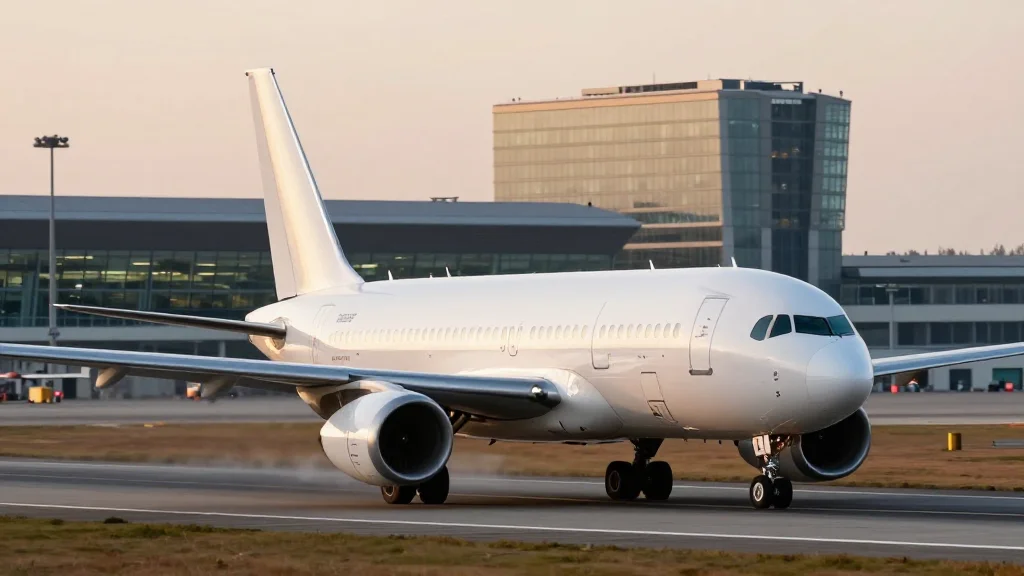
Iran Touts Government Support for New Aircraft
Companies Mentioned
Why It Matters
Modernizing Iran’s fleet is critical for reviving international routes and attracting tourism revenue, while also reducing reliance on outdated Soviet‑era aircraft. The support package signals a strategic shift toward integrating Iran into global aviation networks despite lingering sanctions.
Key Takeaways
- •Government provides low‑interest loans for airline aircraft purchases.
- •IranAir targets adding Airbus A320neo to replace aging fleet.
- •New policy eases certification for private airline start‑ups.
- •Modernization expected to lift passenger traffic by 15% annually.
- •State subsidies aim to attract foreign OEM partnerships.
Pulse Analysis
Iran’s latest aviation policy reflects a broader push to modernize a fleet that has been hamstrung by decades of sanctions and limited access to new technology. By offering low‑interest loans and tax breaks, the government hopes to lower the capital barrier for carriers seeking to acquire fuel‑efficient jets such as the Airbus A320neo. This financial stimulus not only addresses safety and reliability concerns but also aligns with global trends toward greener, more cost‑effective operations, positioning Iranian airlines to compete for regional traffic.
The support package also targets the burgeoning private airline sector, which has struggled with cumbersome certification processes and limited financing options. Streamlined regulatory pathways and state‑backed guarantees are designed to spur new entrants, diversify route networks, and stimulate domestic competition. Analysts anticipate that a more vibrant airline ecosystem will attract foreign investment, particularly from OEMs eager to tap into the Middle Eastern market, and could pave the way for joint‑venture manufacturing or maintenance hubs within Iran.
From an economic perspective, fleet renewal is expected to boost passenger volumes by roughly 15% per year, according to ministry forecasts. Increased capacity will facilitate tourism growth, improve cargo logistics, and generate ancillary jobs in airport services and aircraft maintenance. While geopolitical tensions remain, the government’s commitment to aviation modernization signals a strategic effort to integrate Iran’s air transport sector into the global economy, offering investors a clearer outlook on long‑term returns.
Iran touts government support for new aircraft
Comments
Want to join the conversation?
Loading comments...