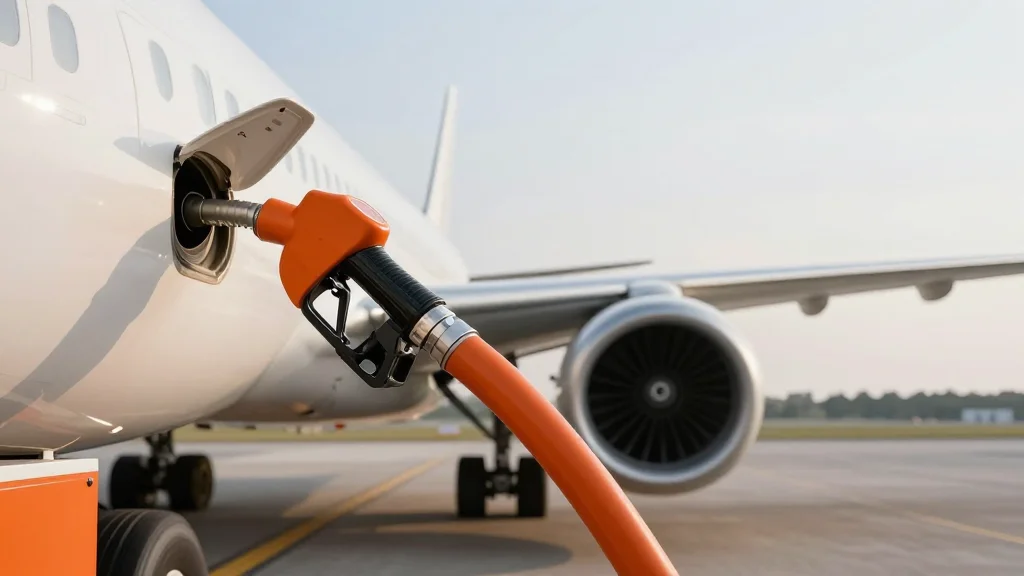
Iran-US Ceasefire Fails to Lower Airfares – for Now at Least
Companies Mentioned
Why It Matters
The conflict‑driven fuel spike inflates airline operating costs and consumer fares, tightening profit margins and limiting travel options. Understanding this link helps investors and travelers gauge the broader economic fallout of geopolitical tensions.
Key Takeaways
- •Jet fuel price jumped to $191/barrel, up 155% YoY.
- •Sydney‑London round‑trip fares now $1,755‑$4,485, up 30‑80%.
- •Fuel accounts for ~27% of airline operating costs.
- •Gulf carriers reduced flights; Qantas shifted capacity to Europe.
- •IATA expects fuel prices to ease by year‑end if ceasefire holds.
Pulse Analysis
The recent flare‑up between Iran, the United States and Israel has turned the Strait of Hormuz into a chokepoint for crude and refined products. With Iranian forces seizing control of the waterway, refinery output in the Middle East has slumped, driving jet‑fuel benchmarks from a low of $75 per barrel to a peak of $191. This price shock reverberates through the global aviation sector, where fuel is the second‑largest cost driver after labor, and it directly translates into higher ticket prices for long‑haul routes.
Airlines are responding to the fuel squeeze by reshuffling capacity and passing costs onto passengers. Qantas, Jetstar and Virgin have all trimmed schedules, while Gulf carriers such as Emirates, Etihad and Qatar Airways have sharply reduced flights amid airspace closures. The result is a noticeable fare inflation on premium routes like Sydney to London, where round‑trip prices now range between $1,755 and $4,485, a jump of up to 80% year‑over‑year. For consumers, the combination of higher fares and travel warnings from Australian authorities further dampens demand, creating a feedback loop that pressures airlines to seek additional revenue streams or cut services.
Looking ahead, the durability of the cease‑fire will dictate how quickly fuel markets stabilize. IATA’s Willie Walsh projects that forward‑curve pricing could bring jet‑fuel costs back to pre‑conflict levels by year‑end, assuming supply routes reopen. If the truce holds, Gulf hubs are expected to rebound swiftly, with carriers like AirAsia X planning a Bahrain hub launch in June. Historical patterns suggest consumer confidence typically recovers within 90 days after major disruptions, indicating that once safety advisories lift, demand for Middle‑East transit could rebound, offering a pathway for airlines to restore capacity and normalize fares.
Iran-US ceasefire fails to lower airfares – for now at least
Comments
Want to join the conversation?
Loading comments...