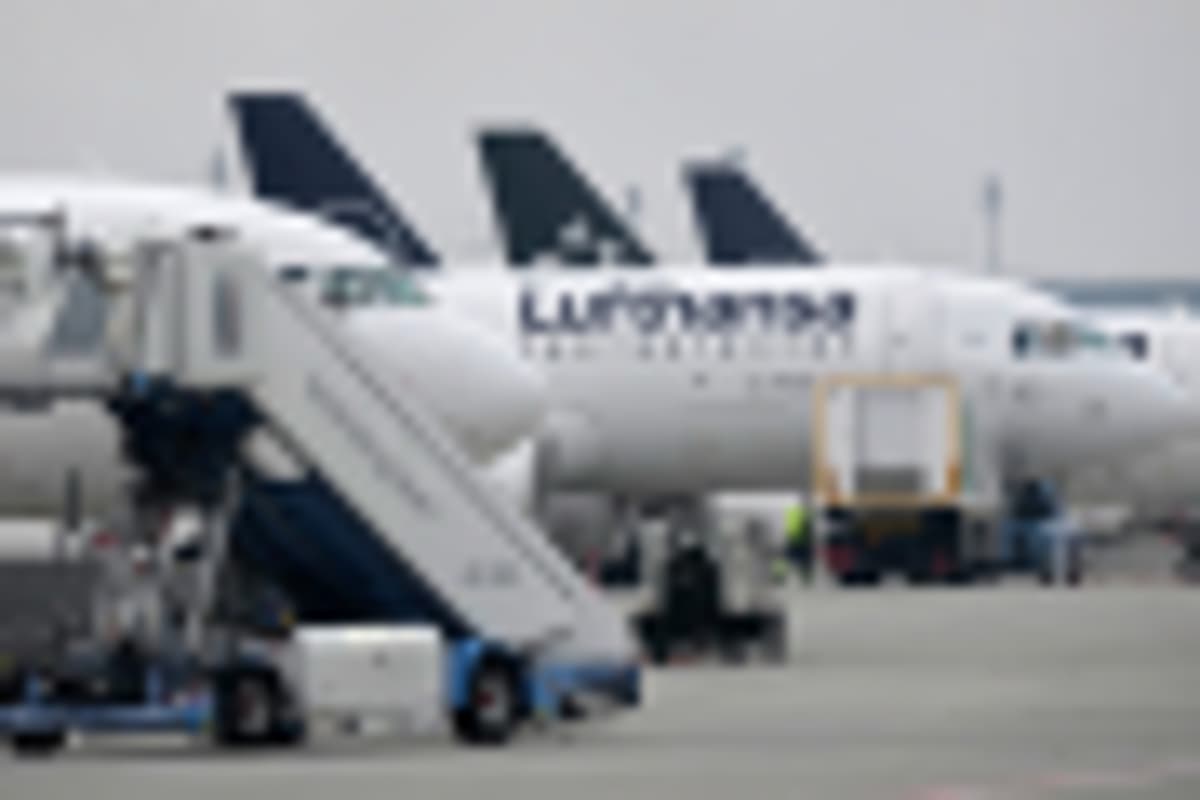
Iran War and Jet Fuel: Lufthansa Cuts 20,000 Flights
Companies Mentioned
Why It Matters
The decision highlights how geopolitical shocks can rapidly reshape airline cost structures, forcing major carriers to trim capacity and rethink network strategies. European travelers and regional connectivity will feel the impact as fewer short‑haul options become available.
Key Takeaways
- •Lufthansa cancels 20,000 short‑haul flights by Oct 2026.
- •Jet fuel savings target exceeds 40,000 metric tons.
- •Fuel prices have doubled since Iran conflict began.
- •CityLine’s 27‑aircraft fleet retired early due to cost pressure.
Pulse Analysis
The Iran‑triggered surge in jet fuel prices has sent ripples through the aviation sector, and Lufthansa’s latest schedule cuts underscore the immediacy of the threat. Fuel, which now costs roughly twice what it did before the conflict, has become the single largest variable expense for airlines, eroding profit margins on routes that were already marginal. By shedding 20,000 short‑haul flights, Lufthansa aims to cut fuel consumption by over 40,000 metric tons, a move that not only reduces operating costs but also aligns with its broader sustainability pledges.
For European travelers, the fallout translates into fewer intra‑European connections, especially on secondary city pairs that rely on Lufthansa’s extensive short‑haul network. Competing carriers may seize the gap, but they too face the same fuel price shock, potentially leading to a broader contraction in capacity. Business travelers could encounter higher fares as airlines rebalance supply and demand, while leisure passengers may see reduced frequency or longer layovers as airlines prioritize more profitable trunk routes.
Lufthansa’s actions also signal a shift in how legacy carriers manage fuel volatility. The early retirement of CityLine’s 27‑aircraft fleet demonstrates a willingness to accelerate fleet rationalisation rather than rely solely on hedging strategies. As the industry grapples with energy insecurity, airlines are likely to double down on fuel‑efficient aircraft, explore alternative fuels, and tighten network planning. The long‑term outlook suggests that carriers which can adapt quickly to price spikes will preserve cash flow and maintain market share, while those slower to respond may face deeper financial strain.
Iran War and Jet Fuel: Lufthansa Cuts 20,000 Flights
Comments
Want to join the conversation?
Loading comments...