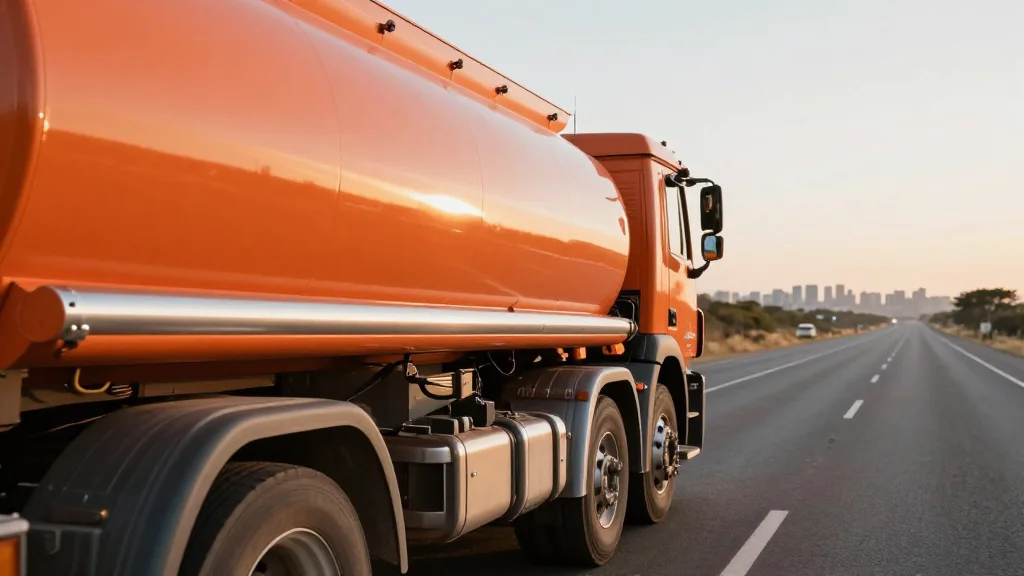
Iran War Is Exposing South Africa’s Dependency On Diesel: What Went Wrong
Companies Mentioned
Why It Matters
The spike in diesel costs inflates logistics expenses, fuels inflation and pressures the fiscal budget, threatening economic stability. It highlights the need for structural resilience beyond short‑term fuel subsidies.
Key Takeaways
- •Diesel fuels ~50% of SA fuel mix, up from 33% in 2005.
- •Q2 2026 diesel price rose ~60%, petrol ~25%.
- •Extra fuel costs add ~R45 bn ($2.7 bn), 2% of quarterly GDP.
- •Diesel makes up ~70% of the added fuel cost burden.
- •Diesel levy relief costs ~R17.2 bn, exceeding the R10 bn reserve.
Pulse Analysis
The shift toward diesel in South Africa reflects deeper structural changes rather than consumer preference. Over the past two decades, diesel’s share of total fuel consumption has climbed from roughly one‑third to almost half, driven by a deteriorating rail network, chronic load‑shedding and the proliferation of diesel‑powered generators in mining, agriculture and data centres. This operational reliance makes diesel a critical input for freight, food distribution and power backup, turning it into a hidden infrastructure backbone that magnifies the impact of global oil price shocks.
When the Iran‑Gulf conflict pushed crude prices higher, South Africa’s diesel price surged nearly 60% in the second quarter of 2026, dwarfing the 25% rise in petrol. The Bureau for Economic Research estimates the resulting extra fuel burden at about R45 billion ($2.7 billion), equivalent to 2% of quarterly GDP, with diesel accounting for roughly 70% of that cost. Higher logistics expenses feed directly into food distribution and mining output, while the fiscal response—temporary diesel levy relief costing R17.2 billion—exceeds the nation’s R10 billion contingency reserve, tightening an already constrained budget.
Policymakers now face a choice: continue patching systemic weaknesses with diesel‑fuel subsidies or invest in genuine resilience. Strengthening rail capacity, expanding renewable energy and building strategic fuel reserves would reduce the economy’s diesel dependency and shield it from future geopolitical disruptions. In the long run, diversifying energy sources and modernising logistics infrastructure are essential to curb inflationary pressures and protect fiscal stability in a volatile global oil market.
Iran War Is Exposing South Africa’s Dependency On Diesel: What Went Wrong
Comments
Want to join the conversation?
Loading comments...