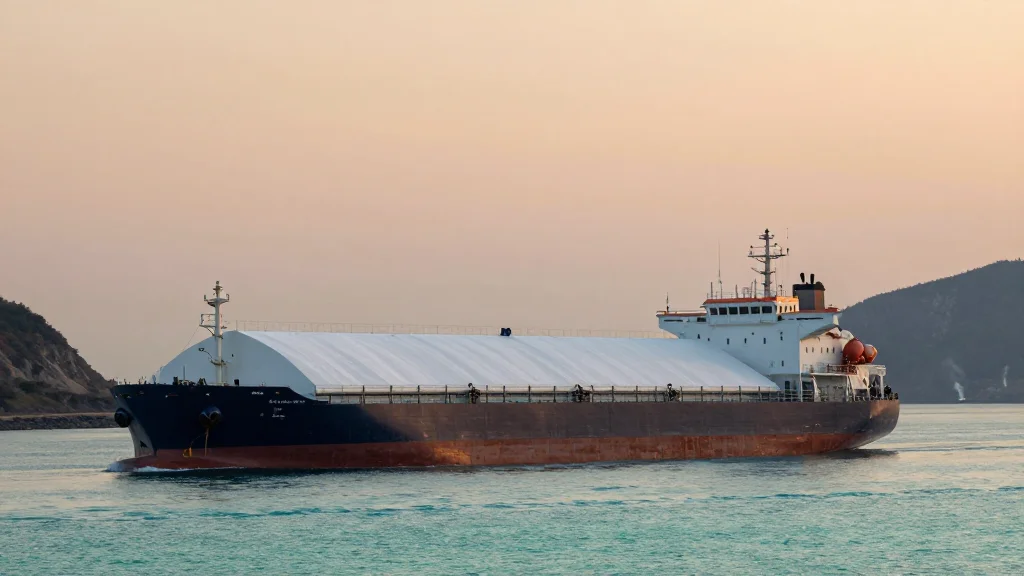
Iran War Jeopardizes Global Food Security
Why It Matters
A fertilizer supply shock of this magnitude can push tens of millions into hunger and drive up food prices, reshaping agricultural policy and investment worldwide.
Key Takeaways
- •Strait of Hormuz closure cuts ~33% of fertilizer shipments
- •World Bank forecasts fertilizer prices up 31% this year
- •South Asia, East Africa, Middle East face highest food‑security risk
- •Experts urge green ammonia and agroecology to cut fossil‑fuel reliance
- •Biofuel expansion on food crops could worsen fertilizer shortages
Pulse Analysis
The conflict in Iran has exposed a fragile choke point in the global fertilizer supply chain. By blocking the Strait of Hormuz, the world lost access to roughly a third of its seaborne fertilizer imports, prompting the World Bank to project a 31% price surge this year. Higher fertilizer costs translate directly into increased production expenses for farmers, which can quickly ripple into higher consumer food prices and reduced crop yields, especially in regions already struggling with food insecurity.
Vulnerable economies in South Asia, East Africa and the Middle East stand to feel the brunt of the disruption. These areas depend heavily on imported fertilizers and staple grains; any prolonged shortage could push millions into hunger and exacerbate poverty. Analysts suggest that building more localized supply chains—through green ammonia produced with renewable energy and diversified agroecological practices—can mitigate reliance on volatile global markets. Such approaches not only lower exposure to geopolitical shocks but also align with broader climate goals.
Policymakers are urged to prioritize structural reforms that decouple agriculture from fossil‑fuel dependence. While renewable‑based fertilizers and precision‑agriculture technologies promise long‑term resilience, they require substantial upfront investment and coordinated international support. Simultaneously, expanding biofuels from food crops should be curtailed to avoid competing with essential fertilizer demand. By steering investment toward sustainable inputs and local food production, the global community can buffer against stacked crises—geopolitical, energy‑related, and climate‑driven—ensuring a more secure food future.
Iran War Jeopardizes Global Food Security
Comments
Want to join the conversation?
Loading comments...