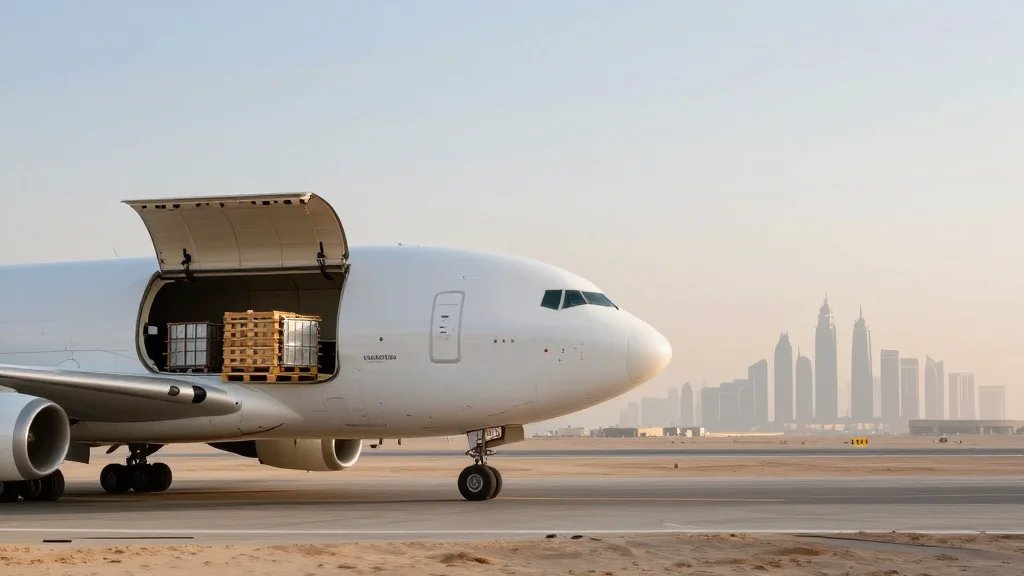
Iran War Sways Air Cargo Contract Negotiations
Why It Matters
Short‑term contract shifts and soaring fuel prices force carriers and forwarders to reassess pricing models, directly affecting profitability and capacity allocation across the global air‑freight market.
Key Takeaways
- •Iran conflict pushes shippers toward three‑month contracts.
- •Jet fuel prices near double, squeezing carrier margins.
- •Spot rates hit $2.86/kg, 14% YoY increase.
- •Global air cargo volumes fell 3% YoY.
- •Mid‑point hubs like Dubai gain strategic importance.
Pulse Analysis
Geopolitical volatility has become a decisive factor in air‑freight contract strategy. The rapid escalation of the Iran war has eroded confidence in long‑term pricing, leading industry leaders like Xeneta to advise postponing tender processes. Shippers now prefer three‑month contracts that offer flexibility amid uncertain route availability and regulatory shifts. This trend mirrors past crisis responses, where shorter commitments allowed both carriers and forwarders to adapt pricing to real‑time market signals without locking in unfavorable terms.
Fuel cost dynamics are equally transformative. The closure of the Strait of Hormuz has driven oil prices upward, pushing jet fuel to nearly double its pre‑conflict level. Elevated fuel expenses have been directly passed to customers, inflating spot rates across key corridors, especially from Northeast and Southeast Asia to North America where increases have reached double‑digit percentages. Carriers operating through Middle‑East hubs are leveraging their geographic advantage, but they also bear the brunt of higher operating costs, prompting a reevaluation of network capacity and route profitability.
Looking ahead, the interplay between supply constraints and demand elasticity will dictate market recovery. While short‑term demand remains resilient, prolonged conflict could suppress cargo volumes as higher freight costs deter price‑sensitive shippers. Strategic hubs such as Dubai and Doha are likely to gain prominence as transshipment points, offering alternative pathways around disrupted routes. Stakeholders should monitor fuel price trajectories, geopolitical developments, and evolving contract preferences to navigate the next phase of the air‑cargo market effectively.
Iran war sways air cargo contract negotiations
Comments
Want to join the conversation?
Loading comments...