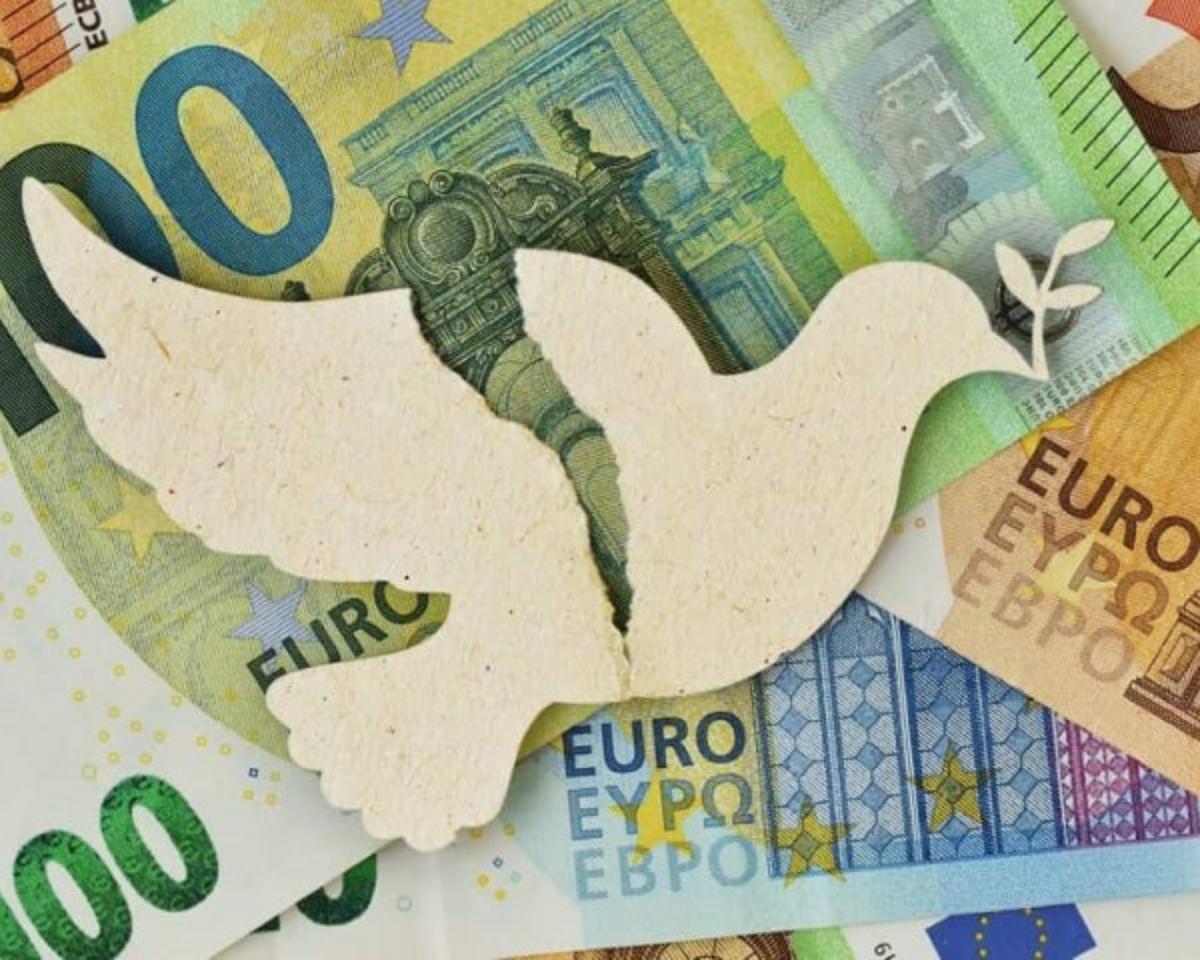
IRAN WAR TRIGGERS GLOBAL TOURISM CRISIS AND EUROPE EMERGES AS BIG WINNER
Companies Mentioned
Why It Matters
The disruption reshapes global tourism flows, accelerating revenue growth for European economies while deepening losses for Gulf and Asian hubs, highlighting the sector’s sensitivity to geopolitical risk.
Key Takeaways
- •Gulf hub flight restrictions force longer routes, raising fares
- •UAE bookings plunge >90%, Egypt and Turkey see sharp declines
- •German domestic travel revenue up 60% as tourists stay local
- •Central Europe could earn €90 million ($97 M) from extra Czech visitors
- •Lufthansa added ~1,600 seasonal European departures to meet demand
Pulse Analysis
The Iran‑Russia war has triggered an immediate reconfiguration of airline networks. With airspace over the Persian Gulf effectively closed to many carriers, airlines are compelled to take detours that add hours to flight times and push ticket prices upward, in some cases nearly doubling them. The ripple effect extends to Europe, where Germany’s already high fuel costs exacerbate the price pressure on passengers, prompting a sharp reassessment of travel itineraries across the continent.
Travelers are responding by shifting demand toward closer, perceived‑safe destinations. In Germany, domestic trips have surged, lifting tourism‑related revenue by more than 60% as vacationers opt for regional getaways. Tour operator TUI notes that roughly three‑quarters of its summer bookings now target European locales, while countries such as Spain, Italy, Portugal and the Scandinavian nations are experiencing tighter hotel inventories and rising room rates. The surge in intra‑European travel is also evident in the Mediterranean, where Portugal’s coastal appeal is stretching accommodation capacity and driving up prices.
Central and Eastern Europe are poised for a pronounced upside. A Global Payments study projects that the Czech Republic could welcome an additional 250,000 visitors, generating roughly €90 million ($97 M) in revenue, while Croatia may see half a billion euros in added tourism spend. Lufthansa’s recent insertion of about 1,600 extra seasonal flights across Europe reflects airlines’ strategic pivot to capture this redirected demand. If geopolitical tensions persist, the region could welcome up to two million extra travelers this year, reshaping the continent’s tourism landscape and delivering a rare windfall born from global instability.
IRAN WAR TRIGGERS GLOBAL TOURISM CRISIS AND EUROPE EMERGES AS BIG WINNER
Comments
Want to join the conversation?
Loading comments...