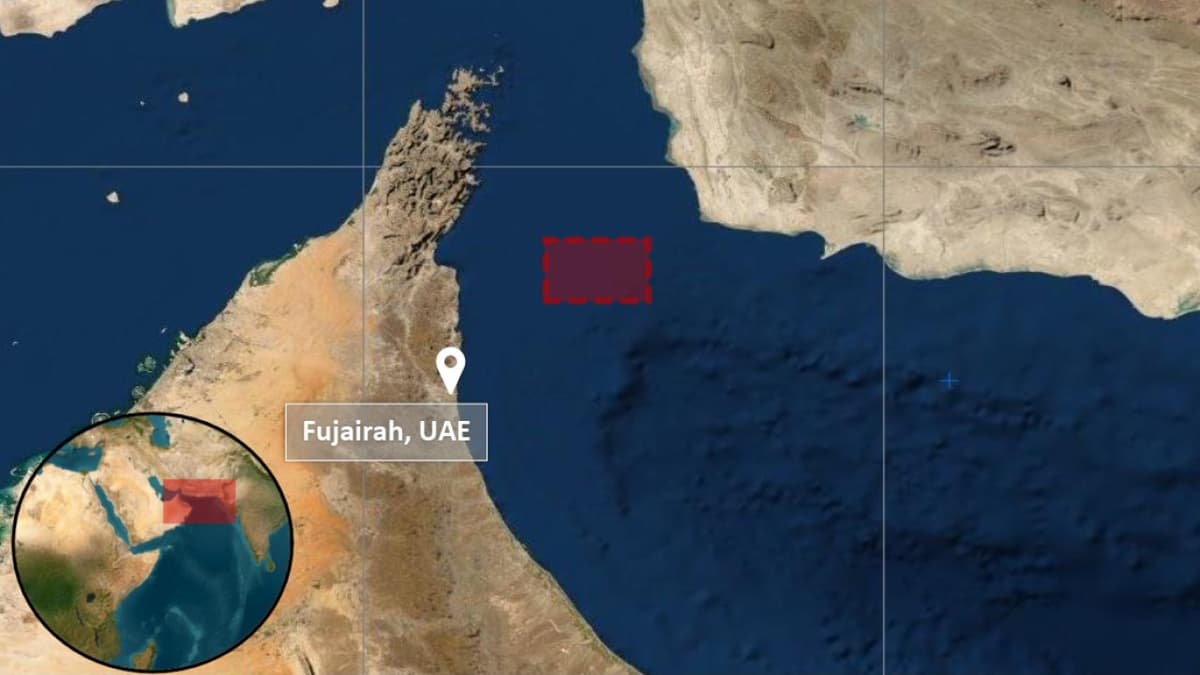
Iranians Take Floating Armoury Anchored Off Fujairah
Companies Mentioned
Why It Matters
The takeover underscores growing security risks posed by floating armories and highlights regulatory gaps that could destabilize maritime trade in a geopolitically sensitive region.
Key Takeaways
- •Honduras‑flagged HUI CHUAN seized off Fujairah, heading to Iran
- •Vessel functioned as a floating armoury, AIS deliberately disabled
- •UKMTO received report from company security officer at 0545 UTC
- •Incident raises concerns over illicit weapons transport in Gulf region
- •Highlights regulatory gaps for floating armories operating under research cover
Pulse Analysis
Floating armories have emerged as a covert solution for shipping companies to store small‑arms and ammunition outside the jurisdiction of flag states. By disguising these platforms as research or commercial vessels, operators exploit loopholes in international maritime law, making oversight difficult for coastal authorities. The practice has proliferated in the Gulf of Oman and the Arabian Sea, where high‑value cargo routes intersect with regions of political tension, prompting calls for clearer regulatory frameworks and real‑time tracking mandates.
The seizure of HUI CHUAN illustrates the operational hazards of such vessels when they fall into unauthorized hands. With AIS deliberately turned off, the ship evaded standard monitoring, allowing it to slip from the UAE’s maritime domain into Iranian waters. This incident threatens the safety of nearby commercial traffic, as floating armories can serve as staging points for illicit arms transfers or piracy support. Shipping firms operating in the Strait of Hormuz may now reassess route planning and security protocols, while insurers could adjust premiums to reflect heightened risk.
Geopolitically, the event adds another layer of complexity to already strained UAE‑Iran relations. Both nations have vested interests in securing their maritime borders, yet the lack of a unified international response to floating armories hampers collective action. Experts suggest that regional bodies, such as the Gulf Cooperation Council, collaborate with the International Maritime Organization to institute mandatory vessel identification and cargo declaration standards. Strengthening intelligence sharing and deploying autonomous monitoring assets could deter future hijackings and preserve the integrity of global trade lanes.
Iranians take floating armoury anchored off Fujairah
Comments
Want to join the conversation?
Loading comments...