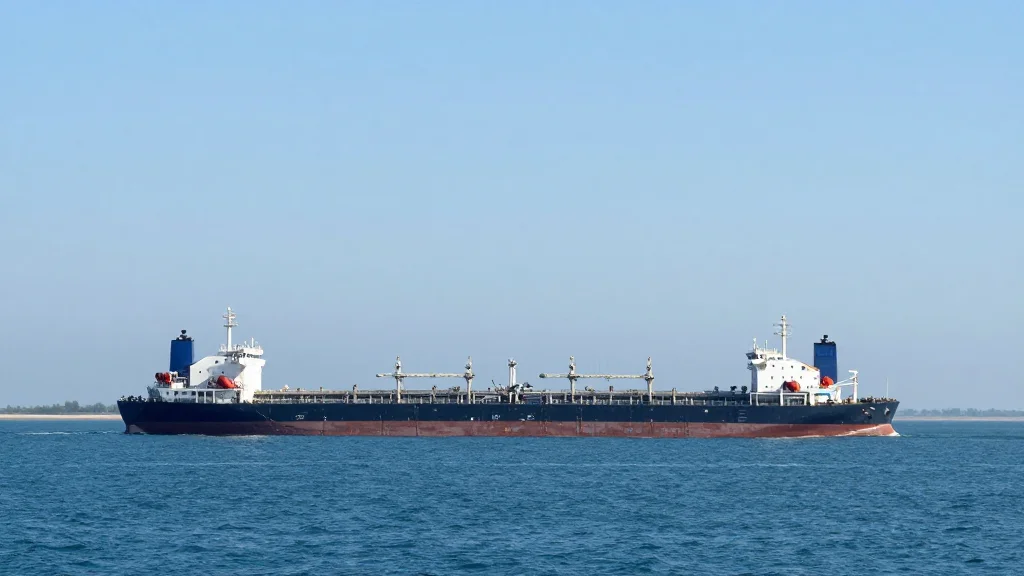
Iran‑Linked Tankers Use Gulf of Oman to Bypass Blocked Strait of Hormuz

Why It Matters
The diversion of Iran‑linked tankers through the Gulf of Oman signals a tangible disruption to one of the world’s most critical oil arteries. By forcing carriers onto longer, costlier routes, the blockades threaten to tighten global fuel supplies, elevate shipping costs, and potentially spur price volatility in energy markets. Moreover, the maneuver illustrates how geopolitical tensions can rapidly reshape logistics networks, prompting shippers to develop new contingency routes that may become permanent fixtures if the conflict endures. For downstream industries—from airlines to automotive manufacturers—the ripple effects could manifest as higher fuel prices and tighter margins. Energy‑dependent economies that import a significant share of their oil through the Persian Gulf may need to reassess inventory strategies and explore alternative sourcing to mitigate supply‑chain shocks. The episode also raises security considerations for insurers and naval forces tasked with safeguarding commercial traffic in an increasingly contested maritime environment.
Key Takeaways
- •Two China‑linked tankers, Nobler and Ava 6, entered the Gulf of Oman on Thursday to avoid the blocked Strait of Hormuz
- •The vessels added roughly 300 nautical miles and 1‑2 days to their voyages, raising operational costs
- •Blockades have halted about 20 % of global oil flow through Hormuz, prompting route changes
- •Longer routes could tighten global fuel markets and push spot prices higher
- •The diversion may become a lasting contingency if Hormuz remains closed
Pulse Analysis
The Gulf of Oman detour by the Nobler and Ava 6 is more than a tactical adjustment; it reflects a structural shift in how oil is moved under duress. Historically, the Strait of Hormuz has been the fastest conduit for Middle Eastern crude, and any disruption has immediate price repercussions. However, the current scenario shows shippers willing to absorb higher transit costs to preserve cargo integrity, suggesting that the market is prioritizing reliability over efficiency.
From a competitive standpoint, carriers with access to Chinese financing or state‑backed fleets—like the two vessels in question—are better positioned to absorb the added fuel burn and insurance premiums. Smaller product tankers can also exploit niche markets, delivering refined products to regional hubs that larger crude carriers cannot serve. This agility may grant them a temporary edge as larger crude shipments face bottlenecks.
Looking forward, the persistence of the blockades could catalyze a longer‑term rebalancing of shipping lanes, with the Gulf of Oman emerging as a secondary corridor. Ports such as Sohar in Oman may see increased traffic, prompting infrastructure upgrades and new service contracts. Conversely, insurers are likely to raise premiums for Hormuz‑adjacent voyages, further incentivizing alternative routes. The strategic calculus for oil exporters and refiners will now incorporate not just price differentials but also the reliability of transit pathways, reshaping contract terms and inventory strategies across the sector.
Iran‑Linked Tankers Use Gulf of Oman to Bypass Blocked Strait of Hormuz
Comments
Want to join the conversation?
Loading comments...