Iran's Continued Control of Hormuz Intensifies Seafarer Misery
Why It Matters
The standoff threatens global oil flows and disrupts supply chains, while exposing a humanitarian emergency for essential seafarers. It underscores escalating geopolitical risk in a critical maritime chokepoint.
Key Takeaways
- •Over 20,000 seafarers stranded on 2,000 Gulf vessels.
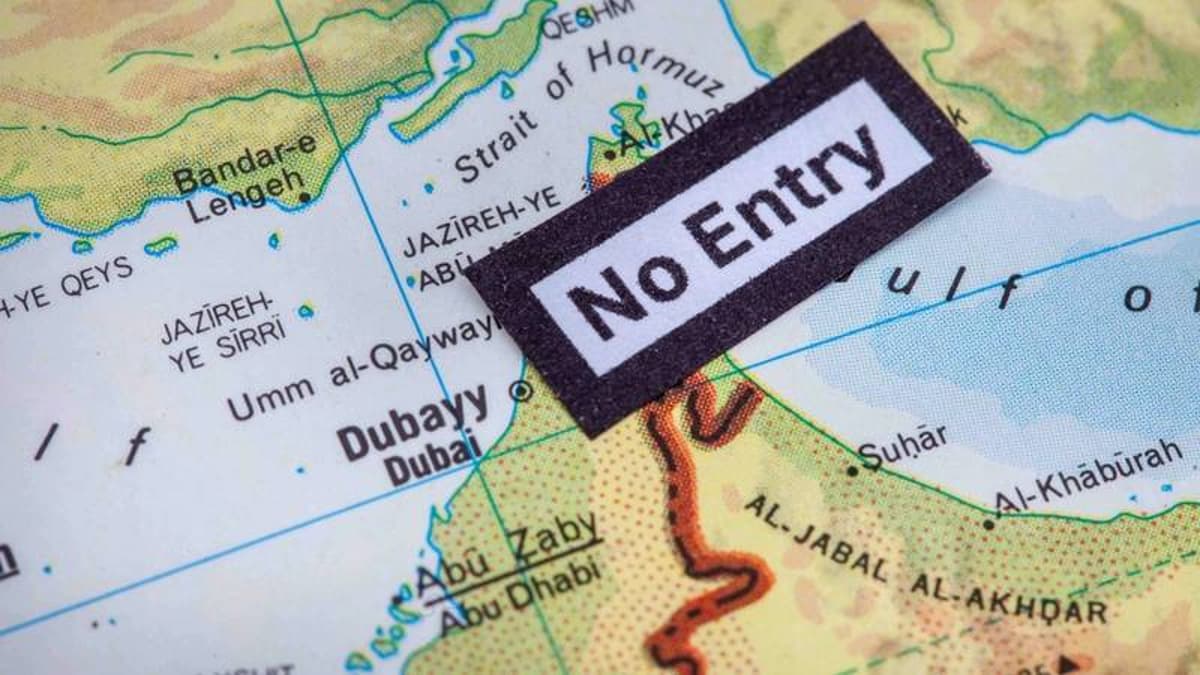
- •Iran's new map reinforces its claim over the Hormuz choke point.
- •Sailors endure food, water shortages and pay delays of $100‑$200/month.
- •Ship owners must navigate Iran's complex payment and permission system.
- •Saudi Ports Authority has resupplied hundreds of ships and transferred 500 crew.
Pulse Analysis
The Strait of Hormuz remains one of the world’s most vital oil conduits, funneling roughly a fifth of global petroleum shipments. Iran’s recent cartographic claim, released through the Persian Gulf Strait Authority, signals a deliberate strategy to cement its de‑facto control, complicating the legal and operational framework for commercial navigation. By redefining the area of permissible passage, Tehran forces ship owners to negotiate ad‑hoc fees and bureaucratic clearances, raising operating costs and heightening insurance premiums for vessels that dare to traverse the region.
Beyond the macro‑economic ramifications, the human dimension of the blockade is stark. Over 20,000 crew members, many earning modest wages of $100 to $200 a month, are confined to cramped decks with intermittent supplies of food, fresh water, and medical aid. The International Transport Workers' Federation reports escalating pay delays and abandonment cases, while mental health deteriorates under the constant threat of missile and drone attacks. These conditions not only jeopardize seafarer welfare but also risk labor shortages that could ripple through global supply chains reliant on timely maritime transport.
Regional actors are attempting to mitigate the crisis. Saudi Arabia’s Ports Authority has orchestrated resupply missions, delivering essential provisions to hundreds of vessels and facilitating the transfer of more than 500 sailors to safety. Nonetheless, the broader resolution hinges on diplomatic negotiations that can de‑escalate hostilities and restore a predictable passage regime. Until such an agreement materializes, shippers must factor heightened geopolitical risk into routing decisions, and investors should monitor the Hormuz corridor closely for any shocks to oil pricing or freight markets.
Iran's Continued Control of Hormuz Intensifies Seafarer Misery
Comments
Want to join the conversation?
Loading comments...