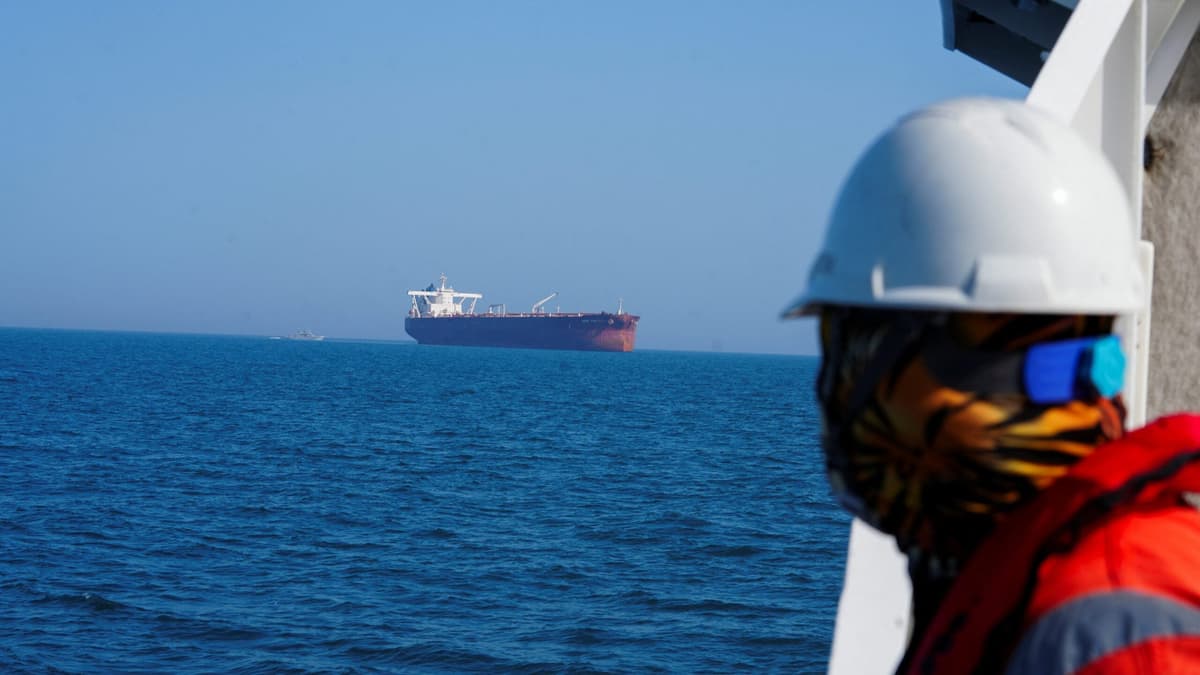
Iran’s Navy Tells Ships Strait of Hormuz Shut Again, Two Vessels Report Gunfire
Why It Matters
The closure disrupts a critical chokepoint for energy trade, heightening geopolitical risk and potentially spiking oil and gas prices worldwide.
Key Takeaways
- •Iran's navy declared Strait of Hormuz closed again via VHF broadcast.
- •Two vessels reported gunfire from IRGC gunboats near Qeshm and Larak islands.
- •Hundreds of ships, ~20,000 seafarers stranded, affecting 20% of oil/LNG flow.
- •UKMTO confirmed tanker approached and fired upon; crew unharmed.
- •Earlier notice allowed restricted lanes; now full closure escalates tensions.
Pulse Analysis
The Strait of Hormuz, a narrow waterway linking the Persian Gulf to the Arabian Sea, handles roughly one‑fifth of the world’s oil and liquefied natural gas exports. Its strategic significance makes any disruption a flashpoint for global markets. Iran’s recent radio proclamation that the strait is "completely closed" marks a sharp escalation from the limited‑lane notice issued just a day earlier, underscoring Tehran’s willingness to leverage maritime control amid ongoing diplomatic friction with the United States.
On Saturday, maritime sources reported that two commercial vessels—one a tanker and the other a container ship—came under fire from Islamic Revolutionary Guard Corps gunboats between Qeshm and Larak islands. Both ships aborted their transits and returned to safety, with the tanker’s crew unharmed according to the United Kingdom Maritime Trade Operations. The incidents illustrate a tangible risk to navigation, prompting shipping companies to reroute vessels around the Arabian Sea, a longer and costlier alternative that can add days to delivery schedules and increase freight rates.
The broader implications are immediate for energy markets. With an estimated 20,000 seafarers and hundreds of vessels stuck in the Gulf, any prolonged shutdown could tighten global oil supplies, pressuring prices upward. Analysts anticipate that buyers may turn to strategic reserves or alternative suppliers, while insurers could raise premiums for high‑risk routes. The episode also raises questions about diplomatic pathways; a sustained closure may compel regional powers and international bodies to intervene, seeking a de‑escalation to preserve the flow of critical energy commodities.
Iran’s Navy Tells Ships Strait of Hormuz Shut Again, Two Vessels Report Gunfire
Comments
Want to join the conversation?
Loading comments...