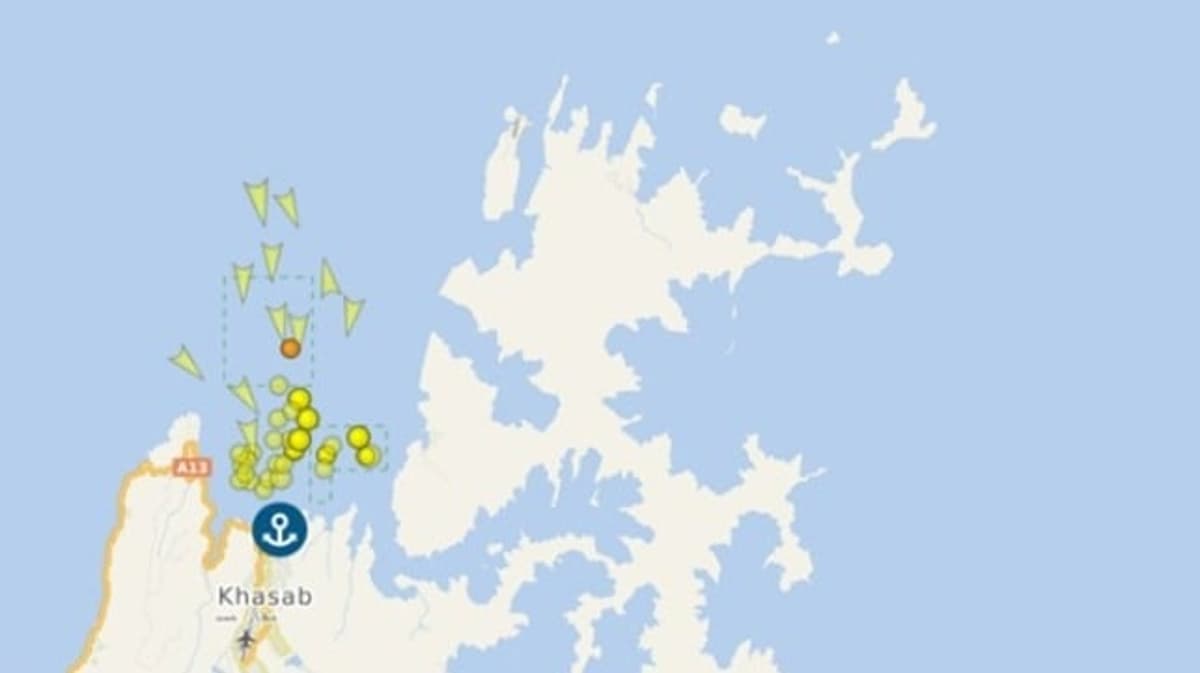
IRGC Threatens Ships at Anchor Off Musandam Peninsula
Why It Matters
By threatening anchored ships, Iran escalates geopolitical risk in the Strait of Hormuz, potentially disrupting a key oil transit chokepoint and jeopardizing Oman's coastal communities reliant on maritime resupply.
Key Takeaways
- •IRGC Navy warned ships in Khasab to return to Dubai anchorage.
- •Warning extended to Mina Saqr and Ras al Khaimah ports.
- •Omani vessels rerouted; some anchored and headed westward.
- •IMO plans visit to Oman amid escalating Strait of Hormuz tensions.
Pulse Analysis
The Strait of Hormuz remains one of the world’s most critical maritime corridors, funneling roughly 20 % of global oil consumption daily. Under the United Nations Convention on the Law of the Sea, free navigation through international straits is guaranteed, and the International Maritime Organization (IMO) oversees safety and environmental standards. Iran’s Islamic Revolutionary Guard Corps (IRGC) Navy, however, has repeatedly broadcast a “serious warning” on Channel 16, instructing vessels anchored in Oman’s Musandam enclave to vacate for Dubai. This direct challenge to UNCLOS marks a rare, overt breach of the regime that governs global shipping lanes.
The immediate effect is a scramble among commercial operators and local fishermen. Small cargo ships and supply vessels that use Khasab’s Anchorages A and B to avoid the open‑sea threat are now forced to either obey the IRGC directive or risk confrontation, prompting several to raise anchor and steer westward. For Omani coastal villages, many of which lack road access, the warning threatens essential resupply chains and could inflate freight costs. The move also appears to be a retaliatory signal against the U.S. “Project Freedom,” which encourages freer passage through the strait.
International response is coalescing around diplomatic pressure and heightened naval presence. IMO Secretary‑General Arsenio Domínguez has scheduled a visit to Muscat to discuss enforcement mechanisms and to reaffirm the legal framework that protects commercial navigation. Analysts warn that prolonged Iranian interference could trigger insurance premium spikes, rerouting of tankers, and a slowdown in regional trade. Stakeholders are advised to monitor real‑time AIS data, diversify routing options, and engage with multilateral forums to mitigate the risk of an expanded maritime standoff.
IRGC Threatens Ships at Anchor off Musandam Peninsula
Comments
Want to join the conversation?
Loading comments...