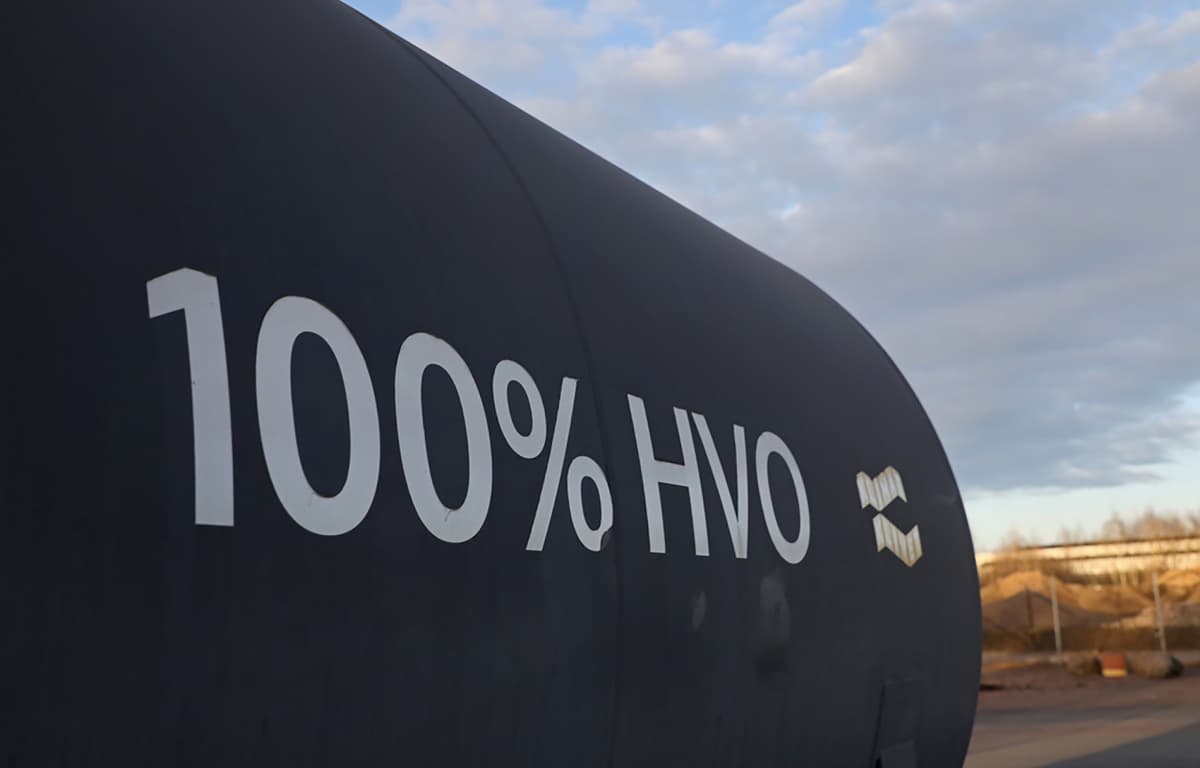
Irish Research Shows Use of Vegetable Oil as Fuel Can Cut Seafood Sector Emissions
Companies Mentioned
Why It Matters
The findings offer a viable low‑carbon fuel option for a traditionally diesel‑heavy industry, aligning with Ireland’s renewable transport mandates and EU decarbonisation goals. Yet cost and policy clarity will determine whether the sector can scale the switch before alternative technologies dominate.
Key Takeaways
- •HVO cut total lifecycle emissions by 12% versus diesel
- •Well‑to‑tank emissions fell 80% when using pure HVO
- •70/30 diesel‑HVO blend lowered lifecycle emissions 6% and well‑to‑tank 21%
- •Higher HVO price currently limits large‑scale fleet conversion
- •Tax rebate status for HVO remains unclear, affecting uptake
Pulse Analysis
Hydrotreated vegetable oil (HVO) is emerging as a promising bridge fuel for maritime applications, especially in the Irish fishing and aquaculture sectors. The BIM‑led trial on a Mowi salmon farm showed that pure HVO can slash well‑to‑tank greenhouse‑gas emissions by 80% and reduce overall life‑cycle emissions by 12% versus conventional diesel. Even modest blends, such as 70% diesel and 30% HVO, delivered measurable benefits—cutting total emissions by 6% and well‑to‑tank emissions by 21%—demonstrating that incremental adoption can still move the sector toward its decarbonisation targets.
Despite the clear environmental upside, the economics of HVO remain a hurdle. Current market prices for HVO are substantially higher than diesel, a gap that widens as diesel prices fluctuate. This price premium, coupled with unresolved questions around the Mineral Oil Tax rebate that diesel operators currently enjoy, creates uncertainty for vessel owners weighing a full‑fleet conversion. BIM’s focus on a 70/30 blend reflects a pragmatic approach: achieving emissions gains while keeping fuel costs within operational tolerances.
Policy support is pivotal for scaling HVO use. Ireland’s Renewable Transport Fuel Obligation (RTFO) mandates a gradual increase in renewable fuel content, and the supply of HVO is rising under this framework. Additionally, EU‑funded initiatives like SmartDEC are testing complementary technologies, such as shore‑side generators, to broaden the decarbonisation toolkit. Together, these measures position HVO as a near‑term solution that can coexist with longer‑term investments in electrification and alternative propulsion, helping the Irish seafood industry meet both national and EU climate commitments.
Irish research shows use of vegetable oil as fuel can cut seafood sector emissions
Comments
Want to join the conversation?
Loading comments...