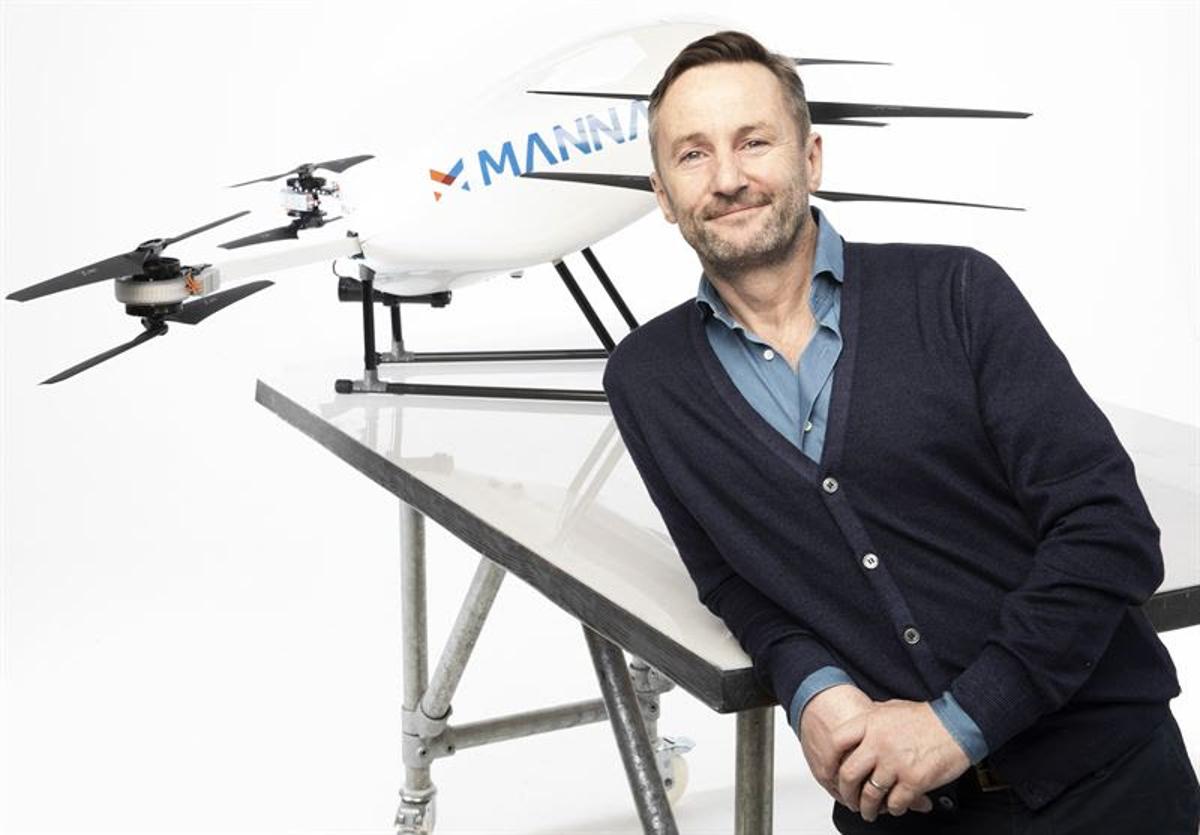
Irish Startup Manna Becomes the Engine for Uber’s European Aerial Ambitions
•February 26, 2026
0

Why It Matters
The partnership gives Uber a scalable, low‑cost, carbon‑light solution for the costly last‑mile problem and could reshape European delivery logistics while challenging incumbents like Amazon Prime Air.
Key Takeaways
- •Uber partners with Manna for Europe's first drone delivery.
- •Drones carry up to 4 kg, 3‑minute delivery within 5 km.
- •Cost per flight $4 now, target $1, vs $9‑$11 ground.
- •5G link via Cubic Telecom enables real‑time fleet control.
- •Manna holds EASA LUC, allowing EU-wide self‑authorization.
Pulse Analysis
The European drone‑delivery market is entering a decisive phase as major platforms seek to replace congested road logistics with autonomous aerial solutions. Uber’s alliance with Manna leverages the Irish firm’s proven quadcopter technology, which has already executed more than a quarter‑million commercial drops. By embedding this capability into Uber Eats, the company taps into a vast consumer base while testing a model that promises sub‑five‑minute fulfillment for orders up to four kilograms.
From an economics standpoint, Manna’s drones operate at roughly $4 per flight, a figure the startup aims to compress to $1 through higher utilization and automated fleet management. This cost structure dramatically undercuts traditional ground delivery, which averages $9‑$11 per order, and dwarfs Amazon’s projected $63 per package for Prime Air. The electric propulsion also delivers up to eight times lower CO₂ emissions than internal‑combustion vehicles, aligning the service with growing sustainability mandates across European cities.
Regulatory agility further differentiates Manna. Holding an EASA Light UAS Operator Certificate enables the company to self‑authorize flights across the EU, accelerating rollout compared with rivals that must secure individual permissions. Coupled with 5G connectivity from Cubic Telecom for real‑time control, the partnership positions Uber to scale into seven new markets by 2026. As competitors like Alphabet’s Wing and Zipline expand, Uber‑Manna’s cost advantage and regulatory foothold could redefine the continent’s last‑mile logistics landscape.
Irish Startup Manna Becomes the Engine for Uber’s European Aerial Ambitions
0
Comments
Want to join the conversation?
Loading comments...