Is the Rail Sector Ready for Smarter Earthwork Monitoring?
Why It Matters
Early‑warning monitoring can dramatically improve safety and slash costly emergency repairs, making rail networks more resilient and financially sustainable.
Key Takeaways
- •Network Rail manages ~190,000 aging earthwork assets, many over 200 years old.
- •Shap derailment showed sensors detected movement 4 hrs early, yet missed alarm.
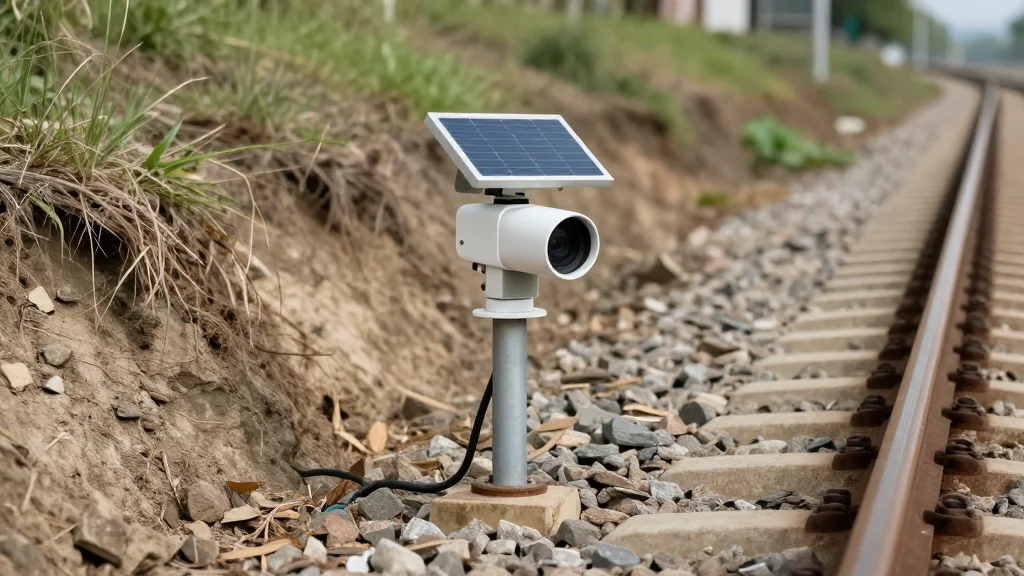
- •New platforms fuse sensors, cameras, weather data for real‑time early warnings.
- •Advanced frequencies transmit through up to 0.5 m of soil, boosting reliability.
- •Continuous monitoring can cut emergency repair costs up to tenfold.
Pulse Analysis
Climate change is turning once‑predictable railway embankments into volatile hazards. Wetter winters saturate soils while hotter summers dry them out, accelerating the degradation of structures many were built before modern geotechnical science existed. The Shap landslip in Cumbria underscored the limits of traditional visual inspections, where a train traveling at 125 mph has barely a mile to stop. As extreme weather events become routine, rail operators need predictive tools that flag instability long before a driver spots a problem.
Emerging monitoring platforms address these challenges by uniting high‑frequency sensors, low‑light cameras, and cloud‑based analytics into a single intelligence hub. Unlike legacy 2.4 GHz devices that lose connectivity when buried, newer radio bands can transmit through up to half a metre of soil, ensuring data flow even during a failure. By layering real‑time rainfall radar, soil‑moisture indices, and short‑range forecasts, the system contextualises raw movement data, enabling forecast‑led alerts that anticipate critical thresholds. This fusion of geospatial intelligence and automated detection reduces latency—the crucial gap between ground movement and operator notification.
From a business perspective, continuous monitoring transforms maintenance from reactive to condition‑based, delivering up to tenfold savings compared with emergency embankment repairs. It also aligns with fiscal pressures to keep fares low while meeting safety expectations. However, adoption hurdles remain: installation must avoid disturbing vegetation that stabilises slopes, and the total cost of ownership—including data management and staff training—must be justified. As rail networks modernise, firms that integrate resilient, low‑maintenance sensor suites will gain a competitive edge, positioning themselves to meet both regulatory safety mandates and the escalating demands of a climate‑impacted future.
Is the rail sector ready for smarter earthwork monitoring?
Comments
Want to join the conversation?
Loading comments...