Is Your Car Making You a Distracted Driver?
Companies Mentioned
Why It Matters
Distracted driving drives billions in losses and liability, pressuring automakers, insurers, and regulators to redesign vehicle interfaces and safety standards.
Key Takeaways
- •Distracted driving causes 29% of crashes, 3,200 deaths annually
- •Infotainment systems demand high visual and cognitive attention
- •Driver‑assist features can create false security, increasing risk
- •Pre‑program navigation and audio to minimize in‑drive distractions
Pulse Analysis
The scale of distracted driving in America is staggering. NHTSA’s 2024 analysis links nearly a third of all collisions to visual, manual or cognitive distractions, translating to more than 3,200 fatalities and an estimated $395 billion in economic damage each year. While legislation bans handheld phone use in most states, the surge of in‑vehicle technology has broadened the distraction landscape, making it a pressing public‑policy and corporate‑risk issue.
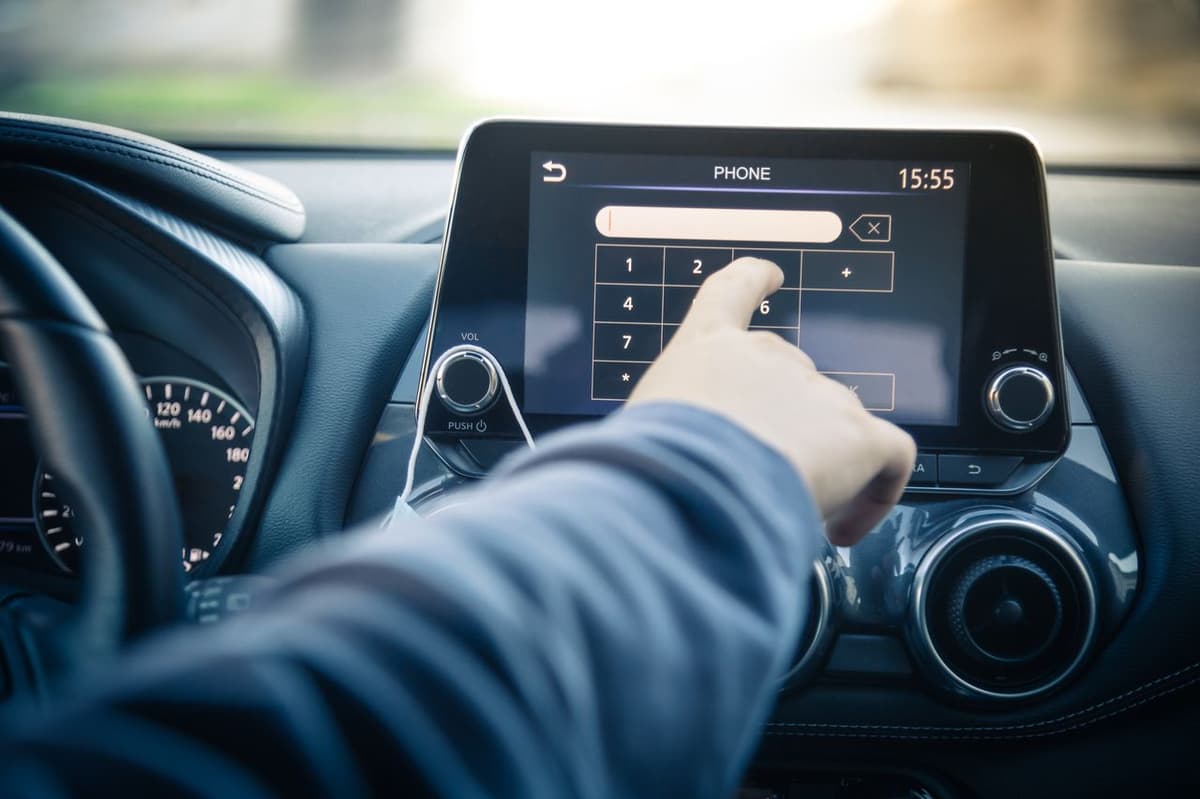
Automakers are now grappling with the unintended safety consequences of their own innovations. An AAA Foundation study of 40 infotainment systems found 29 models impose "high" or "very high" demand on drivers, with tasks like navigation entry and voice‑command adjustments pulling eyes and focus away from the road. Tesla’s Model S, for example, allows internet browsing while driving, and its voice interface still creates significant cognitive load. The NTSB’s recent warning after two fatal crashes involving Ford’s Blue Cruise system illustrates how driver‑assist features can lull operators into complacency, especially when internal cameras fail to detect inattentiveness. These findings signal a need for stricter safety standards and smarter UI design across the industry.
Consumers and fleet managers can mitigate risk by adopting simple behavioral changes. Programming navigation routes and playlists before departure, disabling non‑essential touchscreen functions, and favoring streamlined platforms like Android Auto or Apple CarPlay reduce the time spent looking away from the road. Defensive‑driving courses and insurance incentives further reinforce safe habits. As vehicle autonomy advances, balancing convenience with attentiveness will remain a critical challenge for regulators, manufacturers, and drivers alike.
Is Your Car Making You a Distracted Driver?
Comments
Want to join the conversation?
Loading comments...