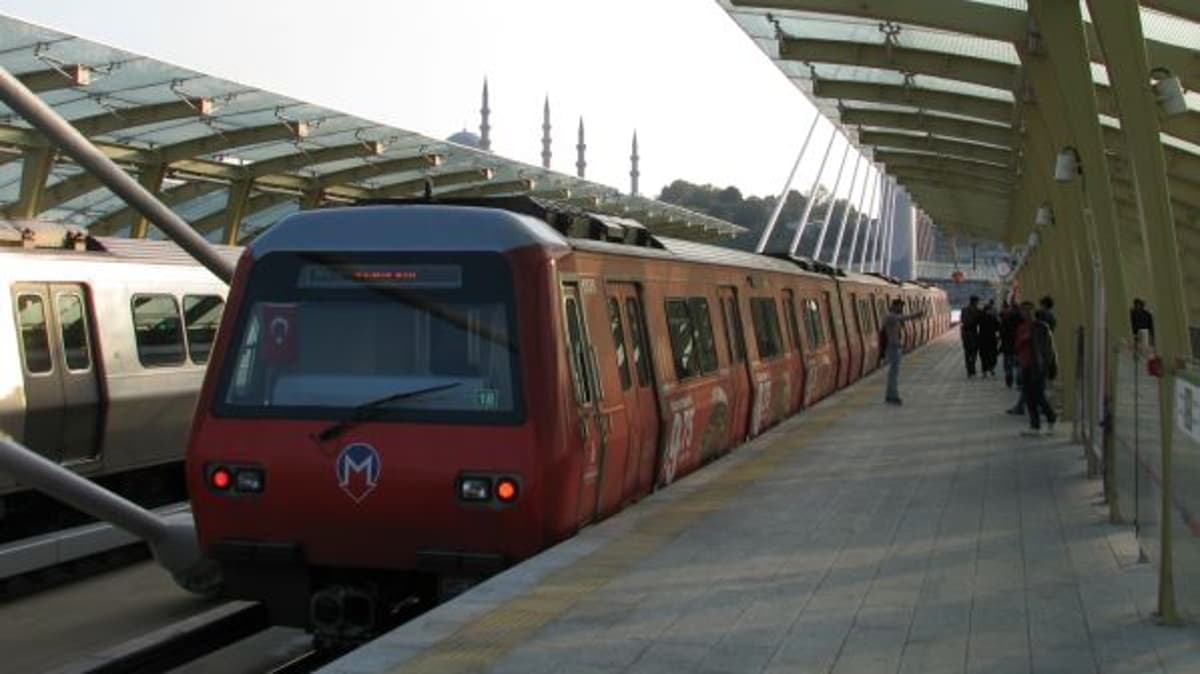
Istanbul Approves Finance for Metro Fleet Order
Why It Matters
The financing accelerates Istanbul’s push to meet soaring commuter demand and positions the city as a leader in driverless metro technology, boosting economic activity and urban mobility.
Key Takeaways
- •Istanbul will borrow €871.2m (~$950m) for metro fleet expansion.
- •272 cars fund 9.7km M1B extension serving Bagcilar, Kucukcekmece.
- •150 driverless cars support 11km M5 extension to Sultanbeyli.
- •Metro network targets growth to 717km from 380km.
- •Financing mix includes local bonds, international debt, and other instruments.
Pulse Analysis
Istanbul’s rapid urbanization has strained its public‑transport infrastructure, prompting the municipality to fast‑track metro expansion. The city’s current 380 km network, already one of Europe’s largest, still falls short of demand in densely populated districts on both continents. By adding nine new stations on the M1B line and extending service to Sultanbeyli via the driverless M5, the projects aim to alleviate congestion, reduce travel times, and support the city’s broader economic growth agenda.
The €871.2 million financing package reflects a sophisticated blend of funding sources, combining domestic bond issuance with international debt markets and alternative instruments. This diversified approach not only spreads fiscal risk but also signals confidence to global investors in Turkey’s transport sector. The allocation of €571.2 million for the European‑side extension and €300 million for the Asian‑side driverless line underscores a strategic emphasis on both capacity expansion and technological innovation, positioning Istanbul to compete with other megacities adopting autonomous rail solutions.
Beyond immediate mobility gains, the extensions are a catalyst for regional development. Sultanbeyli’s surge in commuter demand highlights the need for reliable transit to spur residential and commercial investment. As the network targets a 717 km footprint, the new rolling stock will modernize operations, improve energy efficiency, and set a benchmark for future projects across the region. Stakeholders—from developers to policymakers—should monitor the rollout for insights into large‑scale, mixed‑source financing models and the integration of driverless technology in legacy metro systems.
Istanbul approves finance for metro fleet order
Comments
Want to join the conversation?
Loading comments...