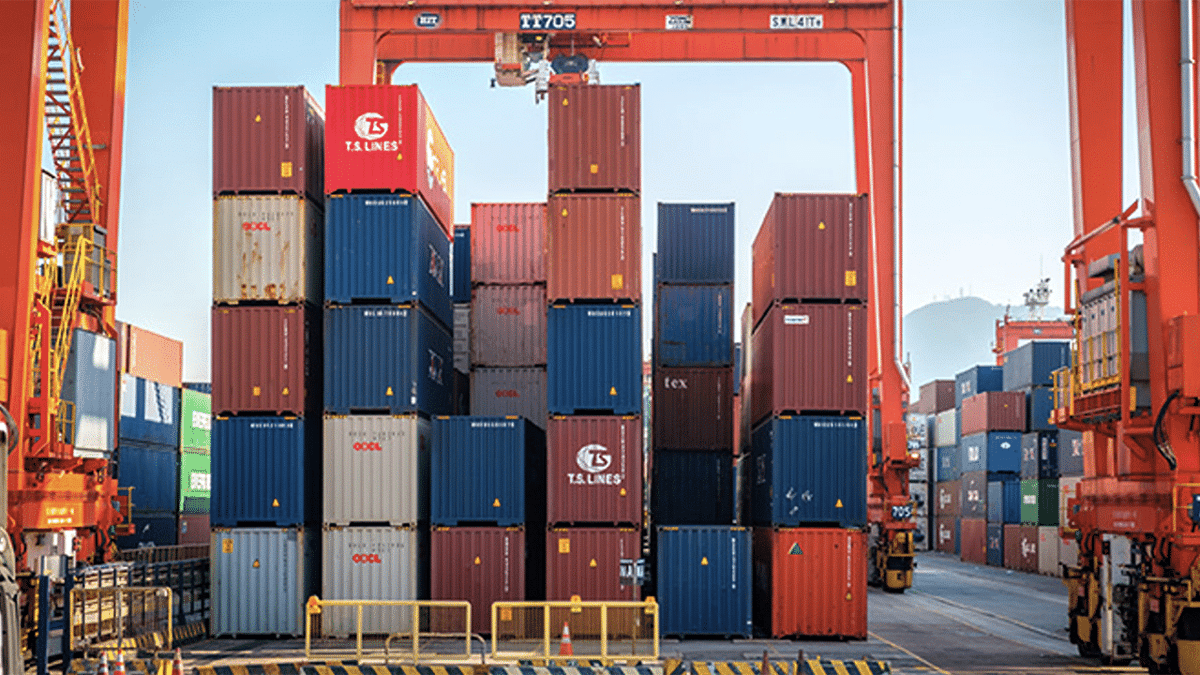
ITS Logistics Releases April Port/Rail Ramp Freight Index
Companies Mentioned
Why It Matters
The confluence of geopolitical disruption, capacity shortages, and rising fuel costs is pushing transportation rates higher, forcing shippers to reassess sourcing and routing strategies. Persistent cargo theft further erodes margins and threatens supply‑chain reliability.
Key Takeaways
- •Strait of Hormuz conflict diverted over 34,000 shipping routes this spring
- •Trucking capacity shrank after 48 months of driver exits and stricter enforcement
- •Diesel prices ended a 12‑week rise but remain above pre‑conflict levels
- •Freight fraud losses jumped 60% in 2025, led by food‑beverage theft
- •U.S. exporters of resins and petrochemicals see new demand amid Middle‑East blockade
Pulse Analysis
The April Port/Rail Ramp Freight Index from ITS Logistics paints a stark picture of a logistics ecosystem under duress. A confluence of factors—most notably the Strait of Hormuz disruption, which has forced the diversion of more than 34,000 shipping routes, and a four‑year decline in trucking capacity—has driven up freight rates across the Pacific, Atlantic and Gulf ports. Diesel fuel, while pausing its 12‑week price climb, remains well above pre‑conflict levels, cementing a floor for trucking costs and prompting renewed interest in zero‑emission fleets despite regulatory headwinds.
For shippers, the index signals a shift from post‑COVID cost normalization to sustained inflationary pressure. The reduction in driver availability, accelerated by federal and state crackdowns on non‑domiciled licenses and English‑proficiency standards, has tightened capacity at key gateways, especially in California, which handles over a third of U.S. containerized trade. Coupled with a 12.4% month‑over‑month rise in total container imports and a decline in China‑origin shipments, firms must weigh alternative sourcing, such as increased reliance on U.S.‑produced resins and petrochemicals, to mitigate exposure to Middle‑East bottlenecks.
Beyond price dynamics, security concerns are intensifying. Verisk CargoNet reports a 60% surge in freight fraud losses in 2025, with food and beverage items topping theft reports, exemplified by the high‑profile hijacking of a Formula 1 KitKat shipment. Rail interchanges at hubs like Memphis, Chicago and Los Angeles are also flagged as vulnerable. Supply‑chain leaders should therefore prioritize enhanced cargo‑tracking technologies, tighter carrier vetting, and diversified routing to safeguard margins and maintain service continuity in an increasingly volatile freight landscape.
ITS Logistics Releases April Port/Rail Ramp Freight Index
Comments
Want to join the conversation?
Loading comments...