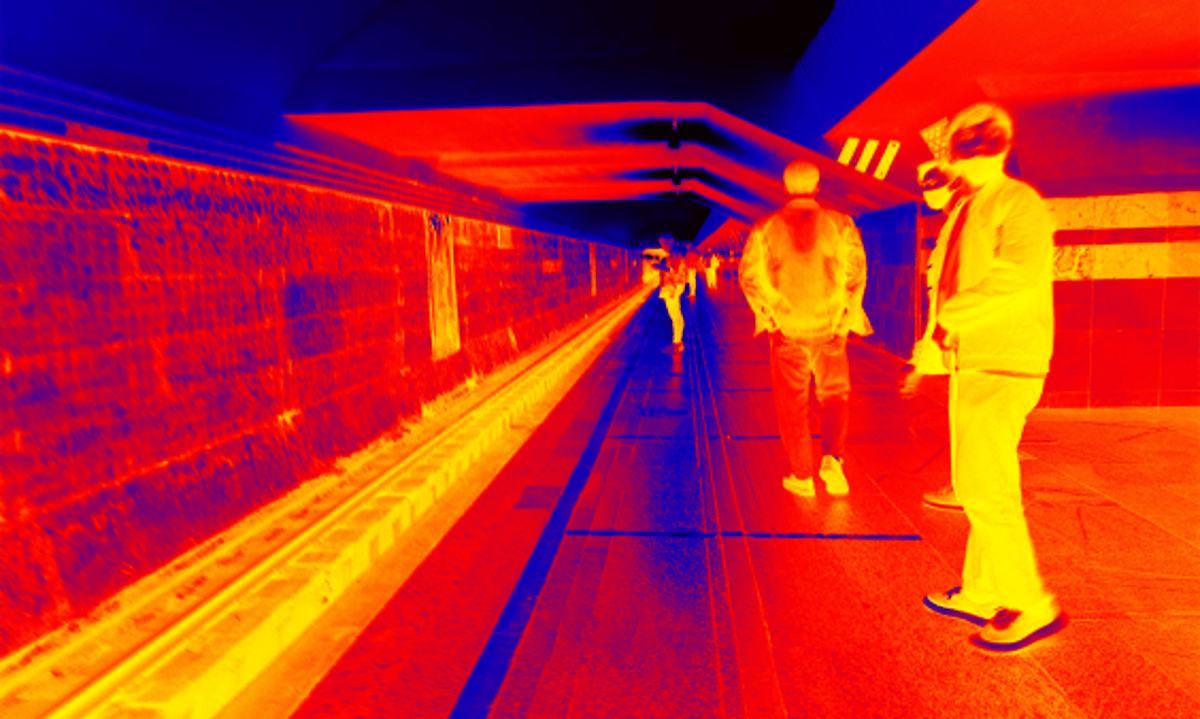
It’s Not Just You. Subways the World Over Are Feeling Hotter
•March 10, 2026
0
Why It Matters
Rising underground temperatures erode passenger experience and increase operational costs, prompting transit agencies to adopt smarter, energy‑efficient cooling solutions. Understanding complaint patterns enables precise interventions that balance comfort with sustainability.
Key Takeaways
- •22k heat complaints from 85k social posts.
- •Complaints rise 10% per 1.8°F in Boston.
- •London shows 27% rise per 1.8°F.
- •Peaks differ: London afternoons, NYC/Boston noon & 9 pm.
- •Targeted fan operation can cut energy use.
Pulse Analysis
The urban heat‑island effect is no longer confined to city streets; it seeps into the subterranean arteries that move millions daily. Recent research leveraged natural‑language processing to sift through tens of thousands of commuter posts, isolating heat‑related language. By correlating these sentiments with ambient temperature data, the study revealed a clear, quantifiable link between rising degrees and rider discomfort across three of the world’s oldest metro systems.
Findings highlight stark regional disparities. London’s commuters exhibited the steepest sensitivity, with a 27 % surge in complaints for every 1.8 °F increase, likely reflecting older infrastructure and denser tunnel networks. Boston and New York showed more modest but still significant upticks. Temporal analysis uncovered distinct complaint windows—Afternoon grumbles in London versus midday and evening peaks in the U.S.—suggesting that both climate and schedule dynamics shape passenger perception.
For transit authorities, the implications are actionable. Rather than blanket cooling, agencies can deploy fans or ventilation during identified hot‑spot intervals, trimming energy consumption while delivering relief when riders need it most. Such data‑driven strategies align with sustainability goals and enhance rider satisfaction, a competitive edge as cities vie for public‑transport patronage. Continued monitoring of social‑media sentiment offers a low‑cost feedback loop, enabling real‑time adjustments as climate patterns evolve.
It’s Not Just You. Subways the World Over Are Feeling Hotter
0
Comments
Want to join the conversation?
Loading comments...